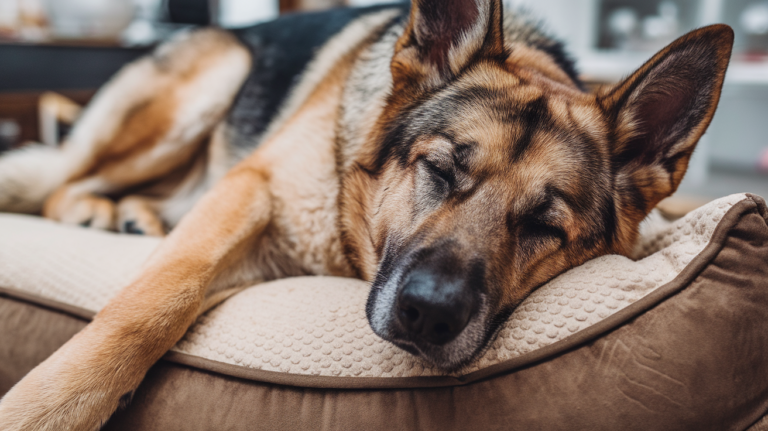
Itchy paws, sneezing fits, or ear issues? These subtle allergy signs often go unnoticed until discomfort takes over your German Shepherd’s day.
Is your loyal German Shepherd constantly scratching, licking their paws, or dealing with mysterious skin issues? You’re not alone. These magnificent dogs are surprisingly prone to allergies, and spotting the signs early can make all the difference between a miserable pup and a happy, healthy companion.
Allergies in German Shepherds aren’t just annoying; they can seriously impact your dog’s quality of life. From environmental triggers like pollen to food sensitivities hiding in their favorite kibble, understanding what’s making your furry friend uncomfortable is the first step toward relief. Let’s dive into the telltale signs that your GSD might be battling allergies and, more importantly, what you can actually do about it.
1. Excessive Scratching and Biting at the Skin
Let’s start with the most obvious sign: your German Shepherd has turned into a scratching machine. We’re not talking about the occasional itch every dog gets. This is persistent, intense scratching that seems to happen all the time, leaving you wondering if your dog will ever stop.
When allergies strike, your GSD’s skin becomes inflamed and irritated. Histamines flood the system, creating that maddening itchy sensation that demands immediate attention. You might notice your dog scratching their sides, rubbing their face on the carpet, or contorting into weird positions to reach that impossible spot on their back.
The constant cycle of scratching creates more inflammation, which creates more itching, which leads to more scratching. Breaking this cycle is crucial for your dog’s comfort and health.
The scratching often gets worse during certain seasons (hello, spring allergies!) or after exposure to specific triggers. Some German Shepherds develop “hot spots,” which are angry, red patches of skin that appear seemingly overnight. These moist, inflamed areas are not only uncomfortable but can quickly become infected if left untreated.
What you can do: Start by keeping a diary of when the scratching intensifies. Is it after walks in the park? After meals? During pollen season? This detective work helps identify triggers. Consider bathing your GSD with a hypoallergenic, oatmeal-based shampoo to soothe their skin. Your vet might recommend antihistamines or, in severe cases, prescription medications to break the itch-scratch cycle.
2. Chronic Ear Infections
If you’re constantly battling ear infections with your German Shepherd, allergies might be the hidden culprit. Those floppy ears that fold over create the perfect warm, moist environment for problems to brew, and when you add allergic inflammation to the mix, it’s a recipe for recurring infections.
Allergic dogs produce excess ear wax and experience swelling in their ear canals. This creates an ideal breeding ground for yeast and bacteria. You’ll notice your dog shaking their head frequently, tilting it to one side, or giving off that distinctive yeasty smell that makes you wrinkle your nose from across the room.
The ears might look red and inflamed inside, and your poor pup will probably yelp or pull away when you try to touch them. Some German Shepherds get so uncomfortable that they rub their heads along furniture or on the ground, desperately trying to find relief.
What you can do: Regular ear cleaning becomes essential, but here’s the catch: you need to use the right products. Harsh cleaners can make things worse. Look for veterinary-approved, gentle ear cleaning solutions. Your vet might prescribe medicated drops containing antifungal or antibacterial ingredients. More importantly, addressing the underlying allergy is crucial; otherwise, you’re just treating symptoms on repeat.
3. Paw Licking and Chewing
Watch your German Shepherd’s paws closely. Are they constantly licking them? Chewing between their toes? This behavior is so common in allergic dogs that veterinarians often call it a classic red flag.
Paws are like magnets for allergens. Think about it: your dog walks through grass, dirt, pollen, dust, and who knows what else. All those potential triggers come into direct contact with the sensitive skin between their toes. For allergic German Shepherds, this contact triggers inflammation and intense itching.
You might notice the fur on their paws turning reddish-brown (a telltale sign of saliva staining from excessive licking) or the skin between their toes looking pink and irritated. In severe cases, the constant moisture from licking can lead to bacterial or yeast infections, creating a secondary problem on top of the allergies.
| Paw Allergy Symptoms | What It Looks Like | Severity Level |
|---|---|---|
| Mild licking | Occasional paw cleaning, slight redness | Low |
| Moderate chewing | Frequent attention to paws, visible staining | Medium |
| Obsessive behavior | Constant licking/chewing, raw skin, limping | High |
What you can do: Wipe your dog’s paws with pet-safe wipes after every walk to remove allergens before they cause problems. Consider paw soaks in a mixture of water and apple cider vinegar (consult your vet first for proper ratios). Some owners find relief using protective booties during high pollen seasons. Your vet might also recommend allergy testing to identify specific triggers and possibly start immunotherapy.
4. Gastrointestinal Issues
Surprise! Allergies aren’t just about itchy skin. Food allergies, in particular, often manifest through digestive drama. Your German Shepherd might experience chronic diarrhea, vomiting, excessive gas, or constant stomach rumbling that sounds like a thunderstorm.
Food allergies develop when your dog’s immune system mistakenly identifies a particular protein (commonly chicken, beef, dairy, or wheat) as a threat. The body launches an immune response, leading to inflammation throughout the digestive tract. Unlike food intolerances, which cause upset stomachs, true food allergies involve the immune system and can cause both digestive and skin symptoms.
Many German Shepherds with food allergies also show signs of poor coat quality, weight loss despite eating normally, or general lethargy. They might seem less interested in meals or become picky eaters because they’ve subconsciously associated eating with feeling unwell.
Food allergies require patience to diagnose. Elimination diets can take 8 to 12 weeks to show clear results, but they’re the gold standard for identifying culprit ingredients.
What you can do: Work with your veterinarian on an elimination diet trial. This involves feeding a novel protein (something your dog has never eaten before, like venison or duck) or a hydrolyzed protein diet for several weeks. During this time, absolutely no treats, table scraps, or flavored medications (yes, that includes those tasty heartworm chews!). If symptoms improve, you’ve found your answer. Then you can slowly reintroduce ingredients one at a time to pinpoint the exact allergen.
5. Respiratory Symptoms
While less common than skin issues, some German Shepherds experience respiratory allergies similar to human hay fever. You might notice your dog sneezing frequently, having a runny nose, or experiencing watery eyes. These symptoms typically appear when environmental allergens like pollen, mold, or dust mites are present.
Some allergic GSDs develop reverse sneezing, which sounds absolutely terrifying the first time you witness it. Your dog will stand still, extend their neck, and make rapid snorting sounds as if they can’t catch their breath. While alarming, reverse sneezing is usually harmless and passes within a minute.
In more severe cases, allergies can contribute to respiratory issues or exacerbate existing conditions. You might notice your dog breathing more heavily than usual, especially during allergy seasons, or seeming less enthusiastic about exercise because breathing becomes uncomfortable.
What you can do: Keep your home as allergen-free as possible. Use HEPA air filters, wash your dog’s bedding frequently in hot water, and vacuum regularly with a HEPA filter vacuum. During high pollen days, limit outdoor time during peak hours (typically early morning and evening). Some veterinarians recommend saline nasal drops or antihistamines for symptomatic relief.
6. Skin Rashes and Discoloration
The final sign to watch for is visible changes to your German Shepherd’s skin. Allergic dogs often develop rashes, particularly in areas with thin fur: the belly, armpits, groin, and face. The skin might appear red, inflamed, or develop small bumps that resemble hives.
You might also notice hyperpigmentation, where the skin becomes darker or thicker in chronically inflamed areas. This happens because repeated inflammation causes the skin to protect itself by producing more pigment and becoming tougher. Some German Shepherds develop a condition called lichenification, where the skin takes on a leathery, elephant-like texture.
These skin changes aren’t just cosmetic. They indicate chronic inflammation that’s been going on for a while. The affected areas are often itchy and uncomfortable, leading back to that vicious cycle of scratching and more inflammation.
What you can do: Document the rashes with photos and note when they appear. This information is invaluable for your veterinarian. Topical treatments like cortisone sprays or medicated mousses can provide relief, but again, identifying and addressing the underlying allergen is key. Your vet might recommend allergy testing (either blood tests or intradermal skin testing) to create a comprehensive treatment plan, potentially including immunotherapy injections that can desensitize your dog to specific allergens over time.
Remember, every German Shepherd is unique, and what works for one might not work for another. The key is staying observant, keeping detailed records of symptoms, and working closely with your veterinarian to develop a personalized approach. With patience and the right strategy, your allergic GSD can live a comfortable, happy life full of tail wags instead of constant scratching.