Critical safety skills every German Shepherd needs could mean the difference between panic and protection when real danger strikes unexpectedly.
Your German Shepherd bounds toward the street, eyes locked on a squirrel. Your heart stops. You open your mouth to yell, but will they actually listen? This isn’t just about obedience; it’s about survival. German Shepherds are intelligent, athletic, and curious, which makes them wonderful companions but also puts them at risk in dangerous situations.
Most dog owners focus on teaching “sit” and “shake,” but there are specific safety commands that could mean the difference between life and death for your loyal companion. These aren’t party tricks. They’re emergency protocols that every German Shepherd should master before they encounter a truly dangerous situation.
1. The Emergency Recall: “Come NOW”
The emergency recall is the most important safety skill your German Shepherd can learn. This isn’t your everyday “come” command that you use to call them for dinner. This is a special, never-practiced-casually command reserved exclusively for genuine emergencies.
Why does your German Shepherd need two different recall commands? Because regular commands lose their power through repetition and inconsistency. Your emergency recall should be a word or phrase you never use unless it’s truly critical. Many trainers recommend using an unusual word like “cookies,” “jackpot,” or even a whistle pattern.
The emergency recall should trigger an immediate, enthusiastic response that overrides every other instinct, including prey drive, fear, and excitement.
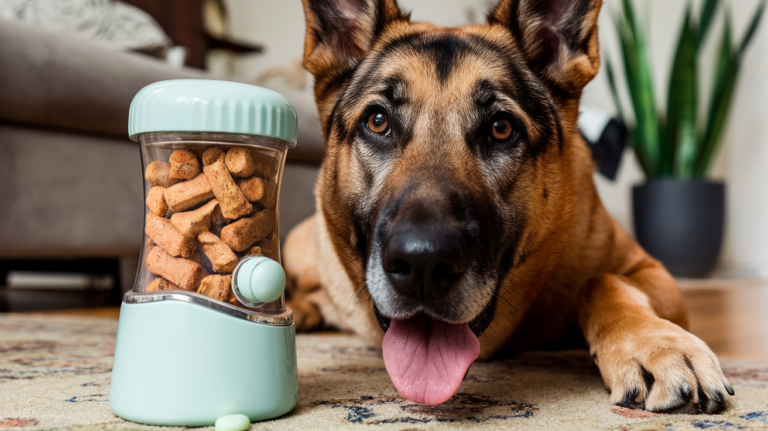
Here’s how to train it effectively: Start in a distraction-free environment with extraordinarily high-value treats (think real chicken, cheese, or whatever your German Shepherd goes absolutely crazy for). Say your emergency word once, and when your dog comes, throw a party. We’re talking multiple treats, enthusiastic praise, and genuine celebration. Practice this sparingly (maybe once a week) so it never becomes routine.
The key is never using this command unless you’re absolutely certain your dog will succeed or it’s a genuine emergency. Every successful recall strengthens the command; every ignored one weakens it. German Shepherds are smart enough to know when you’re bluffing, so save this ace in your pocket for when you really need it.
2. The Instant Drop: “Drop It”
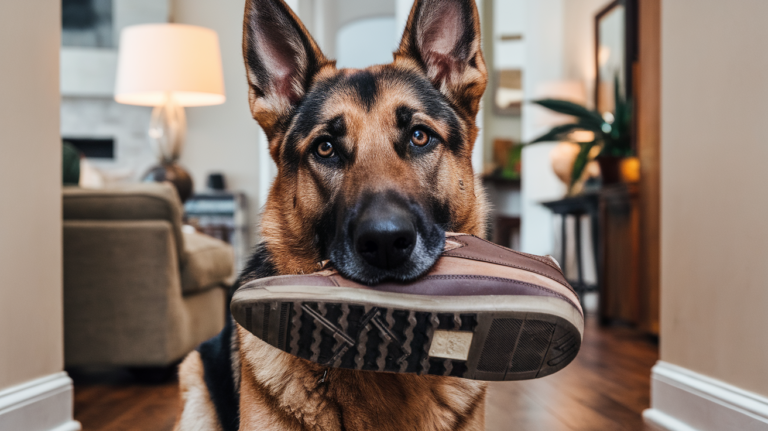
German Shepherds have strong jaws and an instinct to grab and hold objects. Whether it’s a chicken bone on the sidewalk, a toxic mushroom in the park, or medication that fell on the floor, your dog’s tendency to pick things up can be deadly.
“Drop it” needs to be so deeply ingrained that it becomes automatic. Start training with low-value items (a boring toy) and trade for high-value rewards. Gradually work up to items your German Shepherd finds more interesting. The goal is to teach them that releasing something always results in something better.
Common mistakes to avoid:
| Mistake | Why It’s Harmful | Better Approach |
|---|---|---|
| Chasing your dog when they have something | Turns it into a keep-away game | Stand still and call them to you |
| Only practicing with toys | Doesn’t prepare for real-world scenarios | Practice with various objects (safely) |
| Getting angry when they don’t drop | Creates negative association with the command | Stay calm and positive, even if frustrated |
| Not rewarding fast enough | Dog doesn’t connect dropping with reward | Have treats ready before giving command |
Advanced training involves creating scenarios where you “accidentally” drop safe items and immediately reward your German Shepherd for leaving them alone or dropping them on command. This builds the muscle memory needed when a real emergency happens.
3. The Boundary Command: “Wait” or “Stop”
Imagine having an invisible fence you can deploy anywhere, anytime. That’s what a solid “wait” or “stop” command provides. This skill can prevent your German Shepherd from bolting out open doors, running into traffic, or charging toward potential dangers.
Unlike “stay,” which implies a longer duration, “wait” means “freeze exactly where you are until I give you further instructions.” This split-second pause can save your dog’s life. German Shepherds, with their protective instincts, might rush toward perceived threats. A reliable stop command gives you time to assess situations before your dog commits to action.
Training this command requires patience and consistency. Start at doorways and gates. Before opening any door, have your German Shepherd wait. They don’t move until you give a release word (like “okay” or “free”). Gradually increase the difficulty by practicing in more exciting situations.
A properly trained boundary command creates a mental barrier stronger than any physical fence.
Your German Shepherd should understand that “wait” means complete stillness, regardless of what’s happening around them. Practice with distractions like rolling balls, other dogs walking by, or family members calling them. The command should hold until you release it, not until the distraction passes.
4. The Focus Redirect: “Look at Me” or “Watch”
German Shepherds are alert dogs, constantly monitoring their environment. While this makes them excellent watchdogs, it also means they can fixate on stimuli in ways that create dangerous situations. The “look at me” command breaks that fixation and redirects their attention to you.
This skill is particularly valuable when encountering aggressive dogs, busy streets, or wildlife. By capturing your German Shepherd’s focus, you regain control of the situation before their instincts take over. It’s also incredibly useful for managing reactivity and anxiety.
Build this command by rewarding eye contact. Start by holding a treat near your eyes and saying “look at me.” When your dog makes eye contact, immediately reward. Gradually increase the duration of eye contact required before rewarding. Then add distractions, working up to maintaining eye contact even when something interesting appears.
The beauty of this command is its versatility. Use it before crossing streets, when approaching other dogs, or anytime you need your German Shepherd’s full attention. Consistent practice makes it automatic, so when an emergency strikes, your dog instinctively looks to you for guidance rather than reacting independently.
5. The Position Command: “Behind Me” or “Back”
German Shepherds have protective instincts that can lead them to position themselves between you and perceived threats. While this is endearing, it can be dangerous. Teaching them to move behind you on command gives you control in potentially hazardous situations.
This command is essential when encountering unleashed dogs, aggressive animals, or when you need to create space between your dog and danger. It also helps when navigating narrow paths, crowded areas, or doorways where your German Shepherd’s natural tendency to lead could cause problems.
Training progression for “behind me”:
Start in a hallway or narrow space. Hold a treat and lure your German Shepherd to move behind you. Mark the behavior with “yes” and reward. Practice until they understand the movement pattern. Then add the verbal cue “behind me” or “back” before the lure. Eventually, phase out the lure so the verbal command alone produces the behavior.
Advanced applications include using this command when opening doors to prevent door dashing, creating space when greeting guests, or managing your dog’s position during walks when potential hazards appear.
6. The Settle Command: “Place” or “Go to Your Spot”
Emergencies aren’t always about immediate physical danger. Sometimes safety means getting your German Shepherd out of the way quickly. Whether it’s paramedics entering your home, a gas leak requiring evacuation, or simply needing your dog secured during a crisis, having a designated “place” command is invaluable.
This command teaches your German Shepherd to go to a specific location (a bed, mat, or crate) and remain there until released. Unlike a simple “stay,” this combines movement to a location and duration, creating a complete behavior chain.
A reliable “place” command transforms chaos into calm, giving you the freedom to handle emergencies without worrying about your dog’s location.
Training begins with making the designated spot incredibly rewarding. Feed meals there, offer special treats, and create positive associations. Then start adding the command, rewarding your dog for going to the spot. Gradually increase the duration they must remain there and the distractions they must ignore.
For German Shepherds, who often want to be involved in everything happening around them, this command requires significant impulse control. Practice during increasingly stimulating situations: when the doorbell rings, during meal preparation, when guests visit. The goal is making “place” so rewarding and habitual that your German Shepherd chooses it even when exciting things happen.
Why These Skills Matter More Than You Think
German Shepherds are incredible dogs, but their intelligence and athleticism mean they can get into trouble faster than many other breeds. These six safety skills create layers of protection that work together. The emergency recall stops them from reaching danger. “Drop it” removes threats they’ve already grabbed. “Wait” prevents them from entering dangerous situations. “Look at me” breaks dangerous fixations. “Behind me” positions them safely. And “place” secures them during chaos.
Training isn’t a weekend project. It requires consistency, patience, and regular practice. But every minute invested multiplies your German Shepherd’s chances of living a long, safe life. Start with one skill, master it, then add another. Your future self (and your German Shepherd) will thank you.