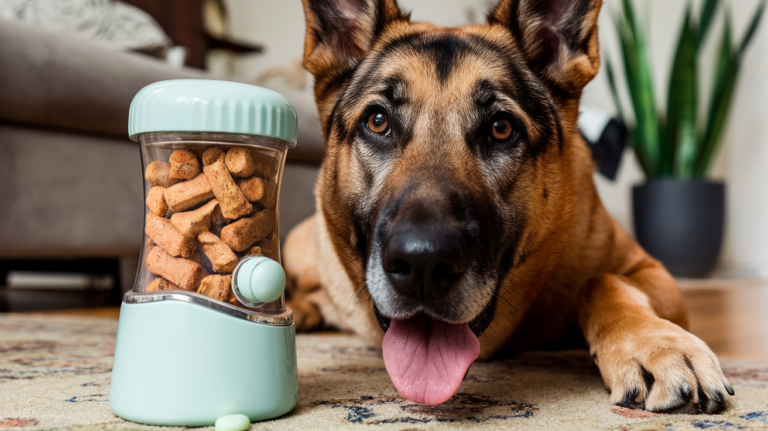
Destruction has causes. Discover genius fixes that calm chaos, protect your home, and satisfy your German Shepherd’s needs.
German Shepherds are incredible dogs with the intelligence of a toddler who just discovered coffee and the energy of five golden retrievers combined. When that brainpower and boundless energy aren’t properly channeled, your home becomes their personal demolition project.
The good news? You’re not dealing with a “bad dog” situation. You’re dealing with a bored genius who needs the right job to do. These five strategies will help you redirect all that intensity into positive behaviors, saving your furniture (and your sanity) in the process.
1. Exercise Them Like You Mean It (Because a Tired GSD Is a Good GSD)
Let’s address the elephant in the room: that 20-minute neighborhood stroll isn’t cutting it. Not even close. German Shepherds were bred to work all day herding sheep across mountains, and that genetic programming didn’t magically disappear just because Fluffy now lives in suburbia.
Your GSD needs real exercise, the kind that actually tires them out both physically and mentally. We’re talking a minimum of 60 to 90 minutes of vigorous activity daily, and yes, that means every single day. A tired German Shepherd doesn’t have the energy left to redesign your furniture.
Here’s what genuinely effective exercise looks like for this breed:
| Activity Type | Duration | Intensity Level | Mental Stimulation |
|---|---|---|---|
| Running/Jogging | 30-45 minutes | High | Low |
| Fetch Sessions | 20-30 minutes | Very High | Medium |
| Agility Training | 30-40 minutes | High | Very High |
| Swimming | 20-30 minutes | Very High | Medium |
| Hiking with Obstacles | 45-60 minutes | High | High |
The magic formula combines physical exhaustion with mental engagement. Taking your dog to run alongside your bike for 30 minutes, followed by 20 minutes of training exercises, will do more for destructive behavior than any correction or scolding ever could.
Pro tip: Break up the exercise into morning and evening sessions. A GSD that gets one massive workout at 6 AM will still have plenty of destructive energy by 6 PM. Consistency across the entire day keeps their energy levels stable and manageable.
When a German Shepherd’s physical needs aren’t met, they’ll create their own workout program, and trust me, you won’t like their exercise equipment choices.
2. Mental Stimulation Is Non-Negotiable (Your Dog’s Brain Needs a Job)
Here’s a secret that many GSD owners discover too late: mental exhaustion beats physical exhaustion every single time. A 15-minute intense training session can leave your dog more satisfied than an hour of mindless walking.
German Shepherds are working dogs at their core. They need to solve problems, learn new things, and use that magnificent brain. Without mental challenges, they’ll invent their own puzzles, like “How many ways can I dismantle this ottoman?” or “What’s actually inside the couch cushions?”
Start incorporating these brain-burners into your daily routine:
Puzzle toys and food dispensers make mealtime last 20 to 30 minutes instead of 30 seconds. Stuff a Kong with frozen peanut butter, use treat-dispensing balls, or invest in puzzle boards that require your dog to slide pieces, lift flaps, and think critically.
Scent work taps into your GSD’s natural abilities. Hide treats around the house or yard and let them search. Start easy, then make it progressively harder. You can even train formal scent detection, which many German Shepherds absolutely love.
New tricks and commands should be taught weekly, not monthly. These dogs can learn an enormous repertoire of behaviors. Teach them to close doors, fetch specific items by name, put toys away in a basket, or navigate obstacle courses. The learning process itself provides incredible mental stimulation.
Training sessions should be short (10 to 15 minutes) but frequent throughout the day. Three short sessions beat one long boring session every time.
A German Shepherd without a job will create one, and “Interior Demolition Specialist” is often their career of choice.
3. Create a Destruction-Proof Environment (Set Them Up for Success)
You wouldn’t leave a toddler alone in a room full of scissors and markers, right? The same logic applies to your German Shepherd during the training phase. Environmental management isn’t about giving up; it’s about being smart while you’re still working on the underlying issues.
Crate training is your best friend, despite what guilt might tell you. When properly introduced, a crate becomes your dog’s personal den, not a prison. It’s a safe space where they can’t get into trouble while you’re away or unable to supervise. Many GSDs actually seek out their crates for naps even when the door is open.
Remove temptation completely. Put shoes in closets. Use baby gates to block access to rooms with vulnerable furniture. Cover or protect couch corners with blankets or specialized guards. Make the destructible stuff inaccessible and provide appropriate alternatives.
Appropriate chew toys must be available at all times. Not just any toys though. German Shepherds have powerful jaws and incredible determination. Invest in ultra-durable options like thick rubber Kongs, nylon bones rated for aggressive chewers, or large rope toys. Rotate toys every few days to keep them interesting.
Here’s the critical part: catch them being good. When your GSD chooses their rope toy over your throw pillow, make it rain praise and treats. Positive reinforcement for appropriate chewing habits builds the behavior you want much faster than punishment for destruction ever could.
4. Address Separation Anxiety Head-On (Because Sometimes It’s More Than Boredom)
Sometimes destructive behavior isn’t about energy or boredom at all. German Shepherds bond intensely with their families, and some struggle significantly when left alone. If your dog only destroys things when you’re gone, and especially if the destruction happens near doors or windows, you might be dealing with separation anxiety.
The signs go beyond just destruction. Watch for excessive drooling, pacing, whining that escalates when you prepare to leave, or destruction focused on exit points. These dogs aren’t being spiteful; they’re genuinely distressed.
Gradual desensitization works wonders here. Start by leaving for just 30 seconds, then return before your dog escalates. Gradually increase duration over weeks (yes, weeks). Make departures and arrivals completely boring with no emotional fanfare.
Practice departure cues without actually leaving. Put on your shoes and coat, grab your keys, then sit back down. Do this randomly throughout the day until these triggers no longer create anxiety.
Consider calming supplements or pheromone diffusers. Products containing L-theanine, chamomile, or adaptogenic herbs can take the edge off anxiety. DAP (Dog Appeasing Pheromone) diffusers mimic the calming pheromones mother dogs produce.
For severe cases, consult a veterinary behaviorist. Sometimes anti-anxiety medication, combined with behavior modification, makes the difference between success and continued struggle. There’s absolutely no shame in getting professional help for a genuine anxiety disorder.
Separation anxiety isn’t a training problem; it’s an emotional disorder that requires patience, consistency, and sometimes professional intervention.
5. Consistency and Leadership Create Security (Your GSD Needs Clear Rules)
German Shepherds thrive on structure. They’re literally bred to follow commands and work within established parameters. When rules are inconsistent or unclear, these dogs experience genuine stress, and that stress often manifests as destructive behavior.
Establish clear boundaries and enforce them every single time. If the couch is off limits, it’s off limits always, not just when you feel like enforcing it. If jumping is unwanted, then nobody (including excited visitors) gets to encourage it. Mixed messages create anxious, confused dogs.
Everyone in the household must follow the same rules. When Dad allows couch privileges but Mom forbids it, your GSD gets caught in confusing double standards. Have a family meeting and write down the actual house rules for your dog.
Impulse control training builds incredible stability. Teach your GSD to wait for meals, sit before going through doors, and hold a stay despite distractions. These exercises build the self-control that prevents impulsive destructive decisions.
Structured daily routines provide massive comfort to German Shepherds. Feed at consistent times. Walk at similar times each day. Have regular training sessions. Predictability reduces anxiety and gives your dog a framework to understand their day.
Leadership doesn’t mean dominance or force. It means being a calm, confident guide who sets fair expectations and helps your dog meet them. When your GSD trusts your leadership and understands the structure, they can finally relax instead of making destructive decisions out of stress or confusion.
Remember, fixing destructive behavior isn’t about punishing your dog into submission. It’s about understanding what’s driving the behavior and addressing those root causes with exercise, mental stimulation, environmental management, anxiety treatment, and clear structure. Your German Shepherd wants to be good; they just need you to show them how.