Raising a happy German Shepherd is easier than you think. These small, daily habits make a huge difference in their confidence, joy, and overall well being.
You know that look German Shepherds get when they’re truly, deeply happy? Ears perked forward, tail wagging like a metronome set to “enthusiastic,” eyes sparkling with pure joy? That’s not just luck. It’s the result of intentional, thoughtful care that taps into what makes these magnificent dogs tick.
German Shepherds are complicated creatures wrapped in beautiful fur coats. They’re not your average couch potato pup. These intelligent, energetic powerhouses need specific things to thrive, and when you get it right, the payoff is extraordinary. Let’s dive into the essentials that’ll transform your GSD into the happiest version of themselves.
1. Give Them a Job (Yes, Really!)
German Shepherds were literally designed to work. Their ancestors herded sheep across vast German pastures, making split second decisions and staying alert for hours. That drive didn’t disappear just because your GSD lives in suburbia now.
Without purposeful tasks, your German Shepherd’s brain starts inventing jobs for themselves. Unfortunately, their self-assigned roles usually include things like “excavate the backyard” or “reorganize the couch stuffing.” Not ideal.
A German Shepherd without a job is like a Ferrari stuck in a parking lot: all that power and potential with nowhere to go.
The solution? Create meaningful work for them. This doesn’t mean you need to buy sheep (though that would certainly solve the problem). Instead, think about activities that engage their problem solving abilities and give them a sense of purpose.
Practical Job Ideas:
- Nosework and scent training: Hide treats around the house or yard and let them search. You can advance to scent detection games using essential oils.
- Obedience training sessions: Even 10 minutes daily of learning new commands or perfecting old ones gives them mental stimulation and purpose.
- Carrying a backpack on walks: A properly fitted dog backpack with light weight (no more than 10% of their body weight) makes them feel useful and provides extra physical challenge.
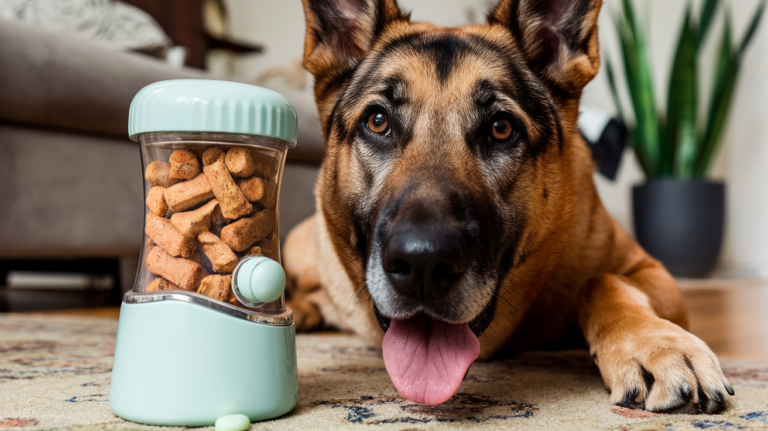
- Puzzle toys and food dispensers: Make mealtime a problem solving activity rather than a 30 second inhale fest.
- Agility or rally training: These structured activities tap into their desire to work as a team with you.
The transformation you’ll see in a German Shepherd who has regular “work” is remarkable. They’re calmer, more focused, and genuinely happier because they’re fulfilling their genetic programming.
2. Exercise Like You Mean It
Let’s be honest: a 20 minute stroll around the block isn’t going to cut it. German Shepherds are athletes. They need substantial physical activity that gets their heart pumping and muscles working.
Under exercised German Shepherds develop a host of problems: anxiety, destructive chewing, excessive barking, and hyperactivity. They’re not being “bad.” They’re just desperate to burn off energy that’s building up like pressure in a volcano.
The magic number for most adult German Shepherds? At least 60 to 90 minutes of genuine exercise daily, split into multiple sessions. Notice I said “genuine” exercise. That means activities where they’re actually moving, not just standing around while you chat with neighbors.
| Activity Type | Duration | Benefits | Frequency |
|---|---|---|---|
| Brisk walking/jogging | 30-45 minutes | Cardiovascular health, bonding time | Daily |
| Fetch or frisbee | 20-30 minutes | High intensity cardio, prey drive satisfaction | 3-5 times weekly |
| Swimming | 20-30 minutes | Full body workout, joint friendly | 1-2 times weekly |
| Hiking | 1-2 hours | Mental + physical stimulation, new environments | Weekly |
| Play sessions with other dogs | 30-45 minutes | Social skills, unpredictable movement | 2-3 times weekly |
Here’s what many people miss: mental exercise is exhausting for dogs, sometimes even more than physical activity. A 15 minute training session can tire out a German Shepherd as much as a 30 minute walk because they’re concentrating intensely.
Mix up your exercise routine regularly. German Shepherds are smart enough to get bored doing the same thing repeatedly. Monday might be a long hike, Tuesday could be swimming, Wednesday brings agility practice, and so on. Variety keeps them engaged and excited.
Also, adjust exercise based on age. Puppies under 18 months need careful exercise management to protect developing joints. Senior German Shepherds might need gentler, shorter sessions. Pay attention to your dog’s individual needs.
3. Socialize Early and Often
Here’s an uncomfortable truth: many German Shepherds develop reactivity, fearfulness, or aggression issues not because of their genetics but because of inadequate socialization. These dogs are naturally protective and discerning, which means they need extensive positive experiences with the world during their critical developmental period.
The socialization window for puppies is surprisingly narrow. Between roughly 3 and 14 weeks of age, puppies are neurologically primed to accept new experiences as normal and safe. After that window closes, new things become inherently more suspicious and frightening.
Socialization isn’t about forcing your German Shepherd to love everyone and everything. It’s about teaching them that the world is generally safe and that novel experiences aren’t threats.
For adult German Shepherds who missed early socialization, all is not lost! It just requires more patience and systematic desensitization work. The key is creating positive associations with new people, places, animals, and experiences.
Socialization Checklist:
- Different types of people (children, elderly, people in uniforms, people with mobility aids)
- Various animals (other dogs, cats, livestock if possible)
- Environmental surfaces (grass, concrete, gravel, sand, metal grates)
- Sounds (traffic, thunderstorms, fireworks, vacuum cleaners)
- Environments (parks, downtown areas, pet stores, outdoor cafes)
- Handling for grooming and vet care (touching paws, ears, mouth)
The golden rule? Never force interaction. Let your German Shepherd approach new things at their own pace. If they’re nervous, create distance and use treats to build positive associations gradually. One traumatic experience can undo weeks of good socialization work.
Well socialized German Shepherds are dramatically happier. They’re confident navigating the world, comfortable meeting new people, and relaxed in novel situations. This confidence translates to lower stress levels and better overall wellbeing.
4. Train Consistently (And Make It Fun!)
German Shepherds are often called “velcro dogs” because they bond intensely with their people. They genuinely want to understand what you’re asking of them. But here’s the thing: they need clear, consistent communication to know what’s expected.
Inconsistent training creates confusion and anxiety. Imagine trying to follow rules that randomly change. Sometimes jumping on visitors gets you scolded; other times it’s ignored. Sometimes you’re allowed on the couch; other times you’re not. That’s genuinely stressful for dogs who crave structure.
Training provides mental stimulation, strengthens your bond, and gives your German Shepherd the structure they need to feel secure. Dogs are actually happier when they understand boundaries and expectations. It removes uncertainty from their world.
Training Principles for Success:
- Everyone in the household must use the same commands and rules: If Dad allows begging but Mom doesn’t, your dog will be confused and stressed.
- Keep sessions short but frequent: Multiple 5 to 10 minute sessions daily beat one exhausting hour long marathon.
- Use positive reinforcement primarily: German Shepherds are sensitive dogs who respond beautifully to praise, treats, and play rewards.
- Be patient with the learning curve: New behaviors take time to solidify. Expect regression during adolescence (around 6 to 18 months).
- Make it genuinely enjoyable: Training should feel like a game, not a chore. Your enthusiasm is contagious.
Consider enrolling in group obedience classes, even if you’re experienced. Classes provide structured training, socialization opportunities, and professional guidance. Plus, they’re another “job” for your German Shepherd to excel at!
Don’t stop training once your dog knows basic commands. Advanced obedience, trick training, or sport activities keep their brain engaged throughout their life. A 10 year old German Shepherd can (and should) still be learning new things.
Training isn’t about dominance or control. It’s a conversation between you and your dog, building a shared language that deepens your relationship.
5. Meet Their Emotional Needs
This is the component people often overlook, yet it’s absolutely critical for German Shepherd happiness. These dogs don’t just need physical and mental exercise; they need emotional fulfillment.
German Shepherds form incredibly strong attachments to their people. They want to be with you, involved in your daily life. Isolating them in the backyard all day or crating them for 10+ hours doesn’t just bore them physically. It hurts them emotionally.
Think about what your German Shepherd’s ancestor would have experienced: constant companionship with their shepherd, working side by side, sleeping near the flock at night. They were integral members of a team. Your modern German Shepherd has those same emotional needs hardwired into their DNA.
How to Meet Emotional Needs:
- Include them in family activities: Bring them along on errands when possible. Let them hang out while you work in the garage or garden.
- Physical affection matters: Regular petting, brushing, and gentle handling reinforces your bond.
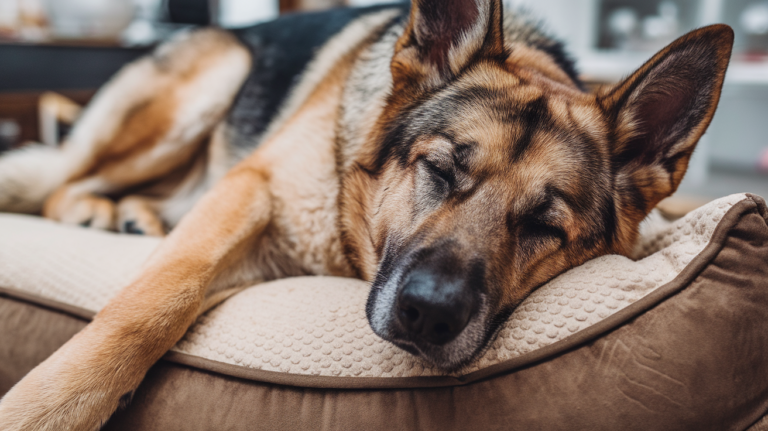
- Create a comfortable space: A cozy bed where they can see family activity helps them feel included even during downtime.
- Recognize their communication: German Shepherds are expressive. Learn to read their body language and respond appropriately.
- Provide security: These dogs are natural guardians. They need to know you’re the one handling security so they can relax.
Watch for signs of separation anxiety: destructive behavior when alone, excessive vocalization, or extreme excitement when you return. These indicate your German Shepherd isn’t coping well with alone time. Gradual desensitization training can help, but severe cases might need professional intervention.
The happiest German Shepherds feel secure in their role within the family pack. They know they’re valued members, not just pets kept around for convenience. That emotional security translates into confidence, calmness, and contentment.
Building this kind of relationship takes time and intention, but the reward is extraordinary: a German Shepherd who’s not just obedient or well trained, but genuinely, deeply happy.