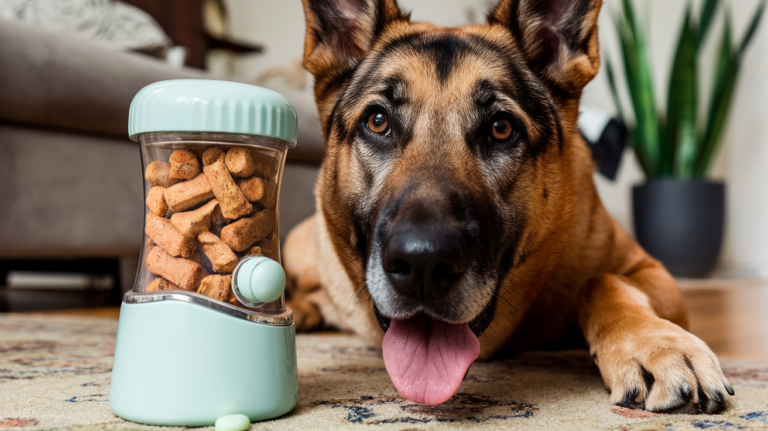
Your dog may be unhappy without obvious signs. Learn how German Shepherds show distress and what you can do to fix it fast.
German Shepherds are notorious for wearing their hearts on their sleeves, except they don’t have sleeves, so they wear them in their behavior instead. These emotional powerhouses form incredibly deep bonds with their humans, which means when they’re unhappy, they’re really unhappy, and they want you to know about it.
The tricky part? Your GSD’s version of “I’m not okay” might look nothing like you’d expect. While some signs are obvious (we’re looking at you, destructive chewing), others are subtler than a ninja in fuzzy slippers. Learning to read these signals isn’t just about keeping your furniture intact; it’s about understanding your best friend’s emotional wellbeing and giving them the happy life they deserve.
1. Destructive Behavior That Seems to Come Out of Nowhere
Picture this: you come home to discover your German Shepherd has transformed your favorite shoes into abstract art. Before you lose it completely, take a breath and consider what your dog is actually telling you. Destructive behavior in GSDs isn’t about revenge or spite (despite what it looks like when they maintain eye contact while shredding your tax documents). It’s usually a giant, neon sign pointing to deeper issues.
Boredom and understimulation top the list of culprits here. German Shepherds were bred to work all day, every day. Their brains are wired for problem solving, physical activity, and having a job to do. When you leave a high energy, intelligent dog alone with nothing to occupy their mind, they’ll create their own entertainment, and you probably won’t like their creative choices.
Anxiety and stress also manifest as destructive tendencies. Separation anxiety is particularly common in GSDs who form intense attachments to their people. The destruction typically happens near doors, windows, or on items that smell strongly of you because your dog is genuinely distressed by your absence.
A German Shepherd without adequate mental and physical stimulation isn’t a bad dog. They’re a bored genius looking for something, anything, to challenge their remarkable mind.
What you can do about it: First, honestly assess your dog’s daily routine. Are they getting at least 60 to 90 minutes of real exercise? Not just a stroll around the block, but actual running, playing, or working? Mental stimulation matters just as much as physical exercise. Puzzle toys, training sessions, scent work, and interactive games can tire out that busy brain.
Consider these specific solutions:
| Problem | Solution | Time Investment |
|---|---|---|
| Boredom during alone time | Puzzle feeders, Kong toys, rotation of interactive toys | 15 min setup |
| Excess energy | Morning exercise routine before work | 45-60 min |
| Separation anxiety | Gradual desensitization training, calming aids | Ongoing, 20 min daily |
| Lack of mental challenge | Daily training sessions, new tricks, scent games | 15-30 min |
If anxiety seems to be the root cause, work on making departures and arrivals low key. Practice leaving for short periods and gradually increase duration. Some GSDs benefit from having a “safe space” like a crate with comfortable bedding and calming music.
2. Changes in Eating Habits or Complete Food Refusal
When your German Shepherd, who normally inhales food like a vacuum cleaner, suddenly turns up their nose at dinner, pay attention. Changes in appetite are often early warning signs that something’s wrong, either physically or emotionally. GSDs are typically enthusiastic eaters (sometimes too enthusiastic), so disinterest in food is genuinely concerning.
Stress and anxiety can absolutely kill a dog’s appetite. Major changes in routine, a new family member, moving to a new home, or even rearranging furniture can throw some sensitive GSDs off their eating schedule. They might eat less, eat more slowly, or skip meals entirely when they’re feeling uncertain or stressed about their environment.
Medical issues are always a possibility when eating habits change dramatically. Dental pain, gastrointestinal problems, or other health concerns can make eating uncomfortable or unappetizing. This is especially true if the food refusal is accompanied by other symptoms like lethargy, vomiting, or changes in bathroom habits.
What you can do about it: Rule out medical causes first. If your GSD’s appetite change is sudden and persists for more than a day or two, or if it’s accompanied by other symptoms, get to the vet. Don’t wait around hoping it resolves itself.
For stress related eating issues, examine what’s changed recently in your dog’s world. Have you switched their food? Changed your schedule? Brought home a new pet? Sometimes the solution is as simple as providing consistency and patience while they adjust. Try feeding in a quiet, calm area away from other pets or household chaos. Some dogs eat better when their person is nearby, while others prefer privacy.
Make mealtimes positive and pressure free. If your dog doesn’t eat within 15 to 20 minutes, pick up the bowl without making a fuss and offer it again at the next scheduled mealtime. Avoid the temptation to add tons of toppers or switch foods constantly, as this can create a picky eater who learns that refusing food means getting something “better.”
3. Excessive Panting, Pacing, or Restless Behavior
Your German Shepherd suddenly can’t settle down. They’re pacing from room to room like they’re training for a marathon. They’re panting even though they haven’t exercised and the house isn’t hot. This restless energy isn’t just annoying; it’s your dog telling you they’re experiencing anxiety, stress, or discomfort.
Restlessness in GSDs often stems from anticipatory anxiety. These dogs are incredibly routine oriented and can become anxious when they sense something’s different or when they’re expecting something stressful to happen. Some GSDs start showing restless behavior hours before a thunderstorm, a vet visit, or when they pick up on subtle cues that you’re about to leave.
Pain can also cause pacing and inability to get comfortable. If your GSD can’t seem to find a comfortable position to lie down, keeps shifting positions, or seems agitated for no clear reason, they might be hurting. This is particularly common in older dogs dealing with arthritis or hip dysplasia, but younger dogs can experience pain too.
When your German Shepherd paces endlessly or pants without obvious cause, they’re not being dramatic. They’re experiencing genuine distress and need your help to feel safe and comfortable again.
What you can do about it: Start by identifying triggers. Keep a log of when the restless behavior occurs. Is it at certain times of day? Before specific events? During particular weather conditions? Patterns will help you address the root cause rather than just the symptom.
For anxiety driven restlessness, create a calm down routine. This might include a specific resting spot with comfortable bedding, calming music or white noise, and relaxation training. Practice “place” or “settle” commands during calm times so your dog has a learned behavior to fall back on when they’re feeling anxious.
If you suspect pain, don’t delay veterinary attention. GSDs are tough dogs who often hide discomfort until it becomes significant. Your vet can assess for physical issues and discuss pain management options if needed.
Environmental management helps too. Some dogs benefit from anxiety wraps, calming supplements, or pheromone diffusers. Regular exercise is crucial because a physically tired dog is generally a calmer dog, but make sure you’re not over exercising to the point of physical stress.
4. Withdrawal and Avoiding Interaction With You
This one stings. Your normally velcro like GSD suddenly doesn’t want to be near you. They’re not greeting you at the door with their usual enthusiasm. They’re choosing to lie in another room instead of at your feet. When a breed known for being devoted suddenly pulls away, something is definitely wrong.
Depression in dogs is real, and German Shepherds can absolutely experience it. Major life changes, loss of a family member (human or animal), illness, or chronic stress can lead to withdrawn, depressed behavior. Your dog might seem uninterested in activities they used to love, sleep more than usual, and generally seem “flat” emotionally.
Sometimes withdrawal is about trust issues or fear. If your GSD has had a negative experience (even one you might not know about), they might pull away as a protective mechanism. This can happen after rough handling, scary vet visits, or any situation where they felt threatened or uncomfortable.
Physical illness often causes dogs to withdraw too. When they don’t feel well, many dogs instinctively isolate themselves. This is an evolutionary behavior; sick animals in the wild would remove themselves from the pack to avoid predators.
What you can do about it: First, veterinary check up. Many medical conditions can cause behavioral changes, so rule out physical causes before assuming it’s purely emotional.
If medical issues are ruled out, focus on rebuilding connection and trust. Go back to basics with positive interactions. Short training sessions with high value treats, gentle grooming, or just sitting quietly near your dog without demanding interaction can help. Let them come to you rather than forcing attention.
Increase activities your dog enjoys. If they used to love walks, car rides, or playing fetch, gently reintroduce these activities. Start small and keep things positive. Sometimes dogs withdraw because their routine has become boring or unfulfilling, and adding enrichment back into their lives can snap them out of it.
Consider whether anything in the household has changed. New work schedule? Family conflict? Other pets causing stress? GSDs are incredibly sensitive to household emotional dynamics and can become withdrawn when they sense tension or unhappiness in their humans.
5. Excessive Barking, Whining, or Vocalization
Your German Shepherd has suddenly become the neighborhood alarm system, barking at everything and nothing. Or maybe they’ve developed a whining habit that’s driving you up the wall. While GSDs are naturally alert dogs who will bark to announce visitors or unusual sounds, excessive vocalization usually indicates an underlying problem.
Attention seeking behavior is common but often misunderstood. Yes, your dog wants attention, but why have they resorted to constant vocalization to get it? Usually, it’s because their needs for interaction, exercise, or mental stimulation aren’t being met through other channels. The barking isn’t the problem; it’s the symptom.
Frustration and excitement can also lead to excessive noise. A GSD who sees squirrels through the window but can’t chase them, who hears the neighbor’s dog but can’t investigate, or who’s excited about something but can’t access it will vocalize their frustration loudly and repeatedly.
Anxiety and fear are major causes of excessive vocalization too. Separation anxiety, noise phobias, or general fearfulness can all manifest as whining, barking, or howling. The dog isn’t trying to annoy you; they’re expressing genuine distress.
| Type of Vocalization | Likely Cause | Primary Solution |
|---|---|---|
| Barking at window/door | Territorial behavior, frustration | Management (block view), redirect to alternative behavior |
| Whining when alone | Separation anxiety | Gradual desensitization, independence training |
| Barking during play or excitement | Over arousal, lack of impulse control | Calm breaks during play, “quiet” command training |
| Whining with pacing | Anxiety, need to eliminate, pain | Identify trigger, address root cause |
What you can do about it: Never yell at a barking dog. To them, you’re just joining in the barking party. Instead, teach a “quiet” command using positive reinforcement. When your dog stops barking (even for a second), immediately reward with treats and praise.
Address the underlying needs. Is your dog getting enough exercise and mental stimulation? Are they spending too much time alone? Do they have appropriate outlets for their natural guarding and alerting instincts? A well exercised, mentally stimulated GSD with clear boundaries and consistent routines is much less likely to develop excessive vocalization habits.
For attention seeking barking or whining, the solution is counterintuitive: ignore it completely. Don’t make eye contact, don’t speak to your dog, don’t even look in their direction. The moment they’re quiet, then you give attention. You’re teaching them that silence gets rewards, while noise gets nothing. This requires patience and consistency, but it works.
Your German Shepherd’s excessive vocalization isn’t them being difficult or stubborn. It’s communication, plain and simple. They’re telling you something needs to change, and it’s your job to figure out what.
Managing the environment helps significantly. If your dog barks at people passing by the window, block their view or move them to a different room. If they bark when you’re preparing their food, have them wait in a “place” command and only proceed when they’re quiet. You’re teaching impulse control and alternative behaviors to replace the noisy ones.
For serious anxiety related vocalization, especially separation anxiety, you might need professional help. A qualified dog trainer or veterinary behaviorist can create a customized plan to address your dog’s specific triggers and teach them to feel more comfortable and secure.
Understanding your German Shepherd’s unhappiness signals is truly about deepening your relationship and improving their quality of life. These magnificent dogs give us their whole hearts, unwavering loyalty, and complete devotion. The least we can do is pay attention when they tell us something’s wrong and take action to help them feel secure, stimulated, and genuinely happy in their daily lives.