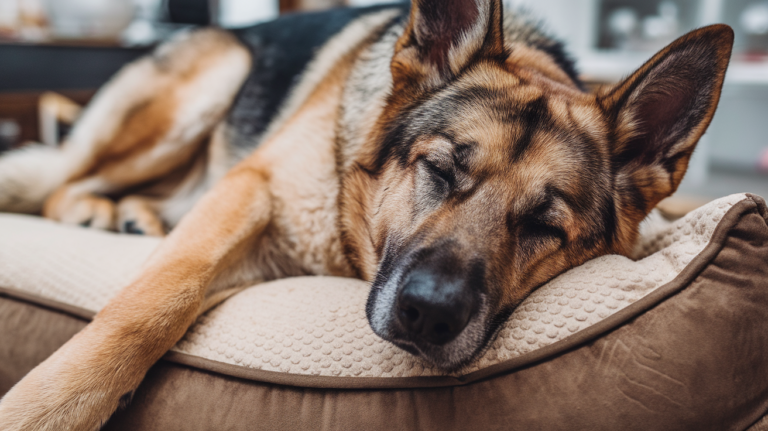
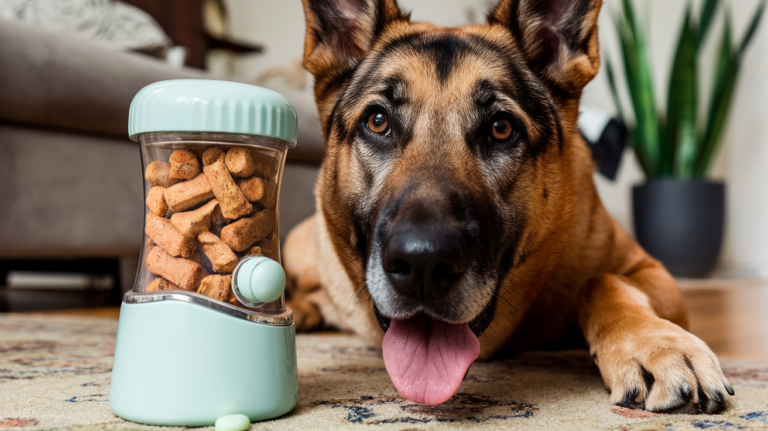
Your German Shepherd might be giving off subtle hints their diet isn’t working. These surprising signs reveal what their body is begging you to change.
You picked up that bag of dog food because it was on sale, or maybe because the packaging had a cute picture. No judgment here! Most dog owners have been there. But what if I told you that your German Shepherd’s mysterious health issues might disappear with a simple diet switch?
German Shepherds aren’t just big dogs with bigger appetites. They’re complex creatures with unique digestive systems that can turn into rebellion headquarters when fed the wrong fuel. The signs are there if you know what to look for, and trust me, some of them will surprise you.
Sign #1: The Coat Catastrophe (AKA When Fluffy Becomes Flaky)
Remember when you first brought your German Shepherd home? That gorgeous, lustrous coat that felt like running your hands through silk? If that’s now a distant memory and you’re dealing with a dull, brittle, or patchy mess, your dog’s diet is waving a giant red flag.
A healthy German Shepherd coat should be thick, shiny, and resilient. When you see excessive shedding (beyond the normal GSD fur tumbleweeds), flaky skin that looks like a snowstorm, or bald patches appearing seemingly overnight, it’s time to investigate the food bowl. Poor nutrition directly impacts coat quality because your dog’s body will prioritize vital organs over making pretty fur.
The connection between diet and coat health is straightforward: German Shepherds need adequate omega fatty acids, quality protein, and specific vitamins to maintain their double coat. Cheap fillers like corn and wheat don’t cut it. These ingredients might fill your dog’s stomach, but they’re leaving their skin and coat starving for real nutrients.
Your German Shepherd’s coat is the window to their nutritional soul. When it starts looking rough, ratty, or bare, your dog isn’t just having a bad hair day… they’re having a bad diet year.
Look for foods rich in omega 3 and omega 6 fatty acids, quality animal proteins (not byproducts), and biotin. Within weeks of switching to a nutrient dense diet, most owners report their dogs transform from scraggly to stunning.
Sign #2: The Digestive Drama (When Every Walk Is an Adventure)
Let’s talk about something nobody wants to discuss but every German Shepherd owner deals with: poop. If you’re experiencing frequent diarrhea, constipation that makes walks uncomfortable, or gas so bad you’ve considered buying a gas mask, your dog’s digestive system is in full revolt.
German Shepherds are notoriously sensitive when it comes to their stomachs. They didn’t earn the nickname “German Shedders and Shredders” for nothing (okay, I made that up, but you get the point). Their digestive tracts are particularly reactive to certain ingredients, especially common allergens and low quality fillers.
Here’s what’s probably happening inside your dog’s gut: cheap dog food contains ingredients that German Shepherds simply can’t process efficiently. Corn, soy, and wheat are common culprits. These fillers cause inflammation in the intestinal lining, leading to poor nutrient absorption and, well, digestive chaos.
| Digestive Red Flags | What It Means | Dietary Solution |
|---|---|---|
| Chronic loose stools | Poor ingredient quality or food allergies | Switch to limited ingredient, grain free options |
| Excessive gas | Fermentation of undigested carbs | Reduce filler content, increase quality protein |
| Straining during bathroom breaks | Not enough fiber or too much fiber | Balance fiber sources with meat based proteins |
| Vomiting after meals | Food intolerance or eating too fast | Try smaller, more frequent meals with novel proteins |
The frequency matters too. If you’re picking up after your German Shepherd more than twice daily, or if the consistency varies wildly from day to day, their current food isn’t working. A proper diet should result in firm, regular stools that don’t require a hazmat suit to handle.
Sign #3: The Energy Enigma (From Powerhouse to Couch Potato)
German Shepherds are supposed to be athletic, energetic working dogs. If your once bouncy companion now acts like a geriatric sloth despite being in their prime years, something’s seriously wrong. Before you blame age or laziness, consider this: you might be feeding them the equivalent of fast food for every single meal.
Energy levels are directly tied to nutritional quality. When dogs consume foods high in fillers and low in bioavailable nutrients, their bodies struggle to produce sustained energy. It’s like trying to run a marathon fueled entirely by cotton candy. Sure, there might be a brief sugar rush, but the crash is inevitable and miserable.
Watch for these specific energy related changes: reluctance to play fetch when they used to be obsessed, sleeping significantly more than usual (adult GSDs should sleep about 12 to 14 hours daily), or seeming tired even after a full night’s rest. Lethargy isn’t always a medical emergency, but it’s often your dog’s way of saying their fuel source isn’t cutting it.
Quality protein is the game changer here. German Shepherds need real meat as their primary ingredient, not meat meal or byproducts buried halfway down the ingredient list. Look for foods listing actual chicken, beef, fish, or lamb as the first ingredient. The difference in energy levels can be dramatic, sometimes noticeable within just a few days of switching.
When your German Shepherd would rather nap than play, when stairs become mountains and walks become chores, don’t write it off as personality. Their body is running on empty, desperately trying to extract energy from nutritionally bankrupt food.
Sign #4: The Allergy Avalanche (Scratching, Licking, and Misery)
If your German Shepherd has turned into a scratching, licking, chewing machine, congratulations! You’ve likely discovered they have food sensitivities. This breed is particularly prone to allergies, and diet is often the sneaky culprit hiding in plain sight.
The scratching usually starts subtly. A little paw licking here, some ear scratching there. Then suddenly you’re living with a dog who can’t stop gnawing on themselves, leaving raw spots and hair loss in their wake. Food allergies manifest through the skin because your dog’s immune system is freaking out over ingredients it perceives as threats.
Common allergens for German Shepherds include chicken (ironically, since it’s in everything), beef, dairy, wheat, soy, and corn. Yes, chicken. The most common protein in dog food is also one of the most common allergens for this breed. Mind blown, right?
Here’s the tricky part: food allergies can develop over time. Your dog might have eaten chicken kibble for years without issues, then suddenly their body says “nope, we’re done with this.” Environmental allergies exist too, but if your GSD is experiencing year round symptoms that don’t improve with antihistamines, food is your prime suspect.
The solution involves an elimination diet or switching to novel proteins (duck, venison, rabbit, kangaroo) that your dog has never eaten before. Limited ingredient diets work wonders because they remove the usual suspects and give your dog’s immune system a chance to calm down.
Sign #5: The Weight Rollercoaster (Too Chunky or Too Thin)
Your German Shepherd should have a visible waist when viewed from above and you should be able to feel (but not see) their ribs with light pressure. If your dog looks like a furry barrel or you can count every rib from across the room, their diet needs an immediate overhaul.
Weight issues in German Shepherds are surprisingly common and often misunderstood. Some owners overfeed because the dog acts hungry (spoiler: dogs always act hungry). Others underfeed because they’re following outdated portion guidelines that don’t account for their individual dog’s metabolism, activity level, or life stage.
Here’s what people miss: it’s not just about how much you feed, but what you’re feeding. A cup of low quality kibble packed with fillers requires your dog to eat more volume to get adequate nutrition. Meanwhile, a smaller portion of nutrient dense food provides everything they need without the excess calories. It’s quality over quantity, always.
| Ideal German Shepherd Weight Ranges |
|---|
| Adult Males: 65 to 90 pounds |
| Adult Females: 50 to 70 pounds |
| Working Line Dogs: Often leaner and more muscular |
| Show Line Dogs: Typically heavier boned |
Sudden weight loss despite normal eating habits is equally concerning. This suggests your dog isn’t absorbing nutrients properly, which circles back to food quality. When the digestive system can’t break down and utilize the ingredients, your dog essentially starves while eating full meals. It’s heartbreaking and completely fixable with the right diet.
Pay attention to body condition scoring. Run your hands along your dog’s sides. You should feel ribs without pressing hard, but they shouldn’t be visually prominent. There should be a clear tuck at the waist when viewing from the side. If your German Shepherd fails these simple tests, their food isn’t serving them properly, whether they’re over or underweight.