Feeling overwhelmed already? These sanity-saving tips help new German Shepherd owners avoid common mistakes and enjoy the ride from day one.
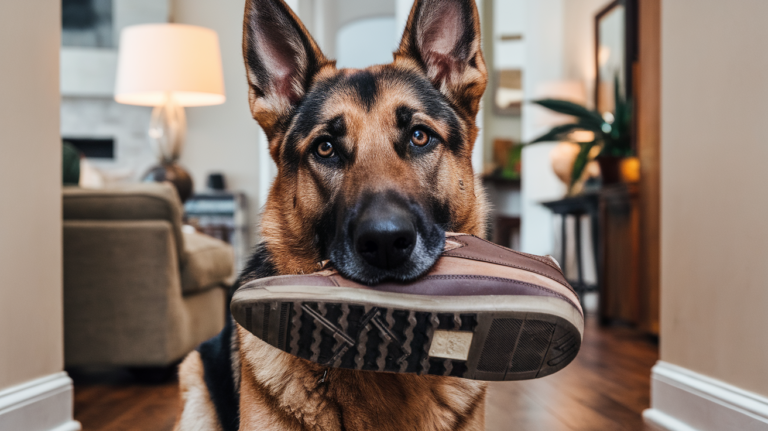
So you’ve done it. You’ve brought home that adorable German Shepherd puppy with the oversized ears and clumsy paws, and you’re already wondering if you’ve made a terrible mistake. Your shoes have become chew toys, your living room looks like a tornado hit it, and you’re pretty sure your new furry friend has more energy than a nuclear power plant. Don’t panic! You’re not alone in this beautiful chaos.
The good news? German Shepherds are incredible dogs: loyal, intelligent, and protective. The bad news? They’re also walking bundles of energy who need proper guidance, or they’ll happily redesign your home while you’re gone. Let’s dive into five essential tips that will help you survive (and actually enjoy!) those crucial first months.
1. Exercise Is Non-Negotiable (And No, A Quick Walk Won’t Cut It)
Let’s get brutally honest right off the bat: if you thought a fifteen minute stroll around the block would tire out your German Shepherd, I have some bad news. These dogs were bred to herd sheep across vast German farmlands for hours on end. Their ancestors laughed at the concept of “feeling tired.”
A tired German Shepherd is a good German Shepherd. This isn’t just a cute saying; it’s the fundamental law of GSD ownership. An under exercised German Shepherd will find creative (read: destructive) ways to burn off that excess energy. Your couch cushions, baseboards, and favorite shoes are all fair game when Fido has too much pent up energy and nowhere to put it.
Here’s what adequate exercise actually looks like for these powerhouse pups:
| Age Range | Daily Exercise Needs | Recommended Activities |
|---|---|---|
| 8 weeks to 6 months | 30 to 45 minutes (in short bursts) | Gentle play, basic training, short walks |
| 6 months to 2 years | 1 to 2 hours | Running, hiking, fetch, agility training |
| Adult (2+ years) | 1.5 to 2+ hours | Hiking, running, swimming, advanced training |
But here’s the kicker: it’s not just about physical exercise. German Shepherds need mental stimulation too. A twenty minute training session can tire them out as much as a forty minute walk. Mix things up with puzzle toys, hide and seek games, and regular training sessions. Your GSD’s brain is their most powerful muscle, and it needs a workout just like their body does.
Physical exhaustion without mental stimulation is like running on a treadmill while bored out of your mind. Sure, you’re tired, but you’re also going stir crazy. Your German Shepherd feels the same way.
Pro tip: invest in a good harness and learn about appropriate exercise for puppies. Those growing bones and joints need protection, so save the marathon runs for when your pup is fully grown. Until then, focus on variety over intensity.
2. Start Training Yesterday (Seriously, Right Now)
If you’re waiting until your German Shepherd is older to start training, you’re already behind. These dogs are absurdly smart, which means they’re learning constantly, whether you’re teaching them or not. The question isn’t if they’ll learn; it’s what they’ll learn.
Without proper guidance, your clever pup will teach themselves all sorts of fun tricks like opening doors, raiding the trash, or barking to get whatever they want. German Shepherds are problem solvers by nature, and if you don’t give them problems to solve, they’ll find their own. Spoiler alert: you won’t like their solutions.
The golden rule: start basic obedience training the moment your puppy comes home. Yes, even at eight weeks old. Focus on the fundamentals first:
- Sit (the gateway command to everything else)
- Stay (crucial for safety and sanity)
- Come (potentially lifesaving)
- Down (helps with impulse control)
- Leave it (saves you from countless vet bills)
Keep training sessions short but frequent. Five to ten minutes, three to four times a day works better than one exhausting hour long session. German Shepherds have excellent focus, but puppies of any breed have attention spans measured in minutes, not hours.
Consistency isn’t just important in training a German Shepherd; it’s everything. These dogs thrive on routine and clear expectations. Mixed signals and inconsistent rules create anxious, confused dogs who don’t know what you want from them.
And please, please use positive reinforcement. German Shepherds are sensitive souls despite their tough exterior. They want to please you more than almost anything else. Harsh corrections or punishment based training will damage your bond and create behavioral problems down the road. Treats, praise, and play are your best friends here.
Consider enrolling in a puppy kindergarten class as soon as your vet gives the okay. Professional guidance makes a huge difference, plus the socialization opportunities are invaluable. Speaking of which…
3. Socialize Like Your Life Depends On It (Because Theirs Might)
Here’s a uncomfortable truth: poorly socialized German Shepherds can become fearful, reactive, and even aggressive. These are large, powerful dogs with strong protective instincts. Without proper socialization, those instincts can morph into problematic behaviors that make life difficult for everyone involved.
The critical socialization window for puppies is between three and fourteen weeks of age. During this time, your puppy’s brain is a sponge, soaking up information about the world and deciding what’s safe versus scary. Every positive experience during this period helps build a confident, well adjusted adult dog.
What should you expose your German Shepherd puppy to? Everything. Different people (kids, elderly folks, people in wheelchairs, people wearing hats), various animals (cats, other dogs, livestock if possible), diverse environments (city streets, parks, pet stores), and all sorts of sights and sounds (vacuum cleaners, thunderstorms, traffic noise, doorbells).
Important caveat: socialization doesn’t mean forcing your puppy into scary situations. It means creating positive, controlled experiences at your puppy’s pace. If your pup seems nervous, take a step back. Let them observe from a distance first. Use treats and praise to create positive associations. Never flood them with stimulation or force interactions.
The difference between socialization and exposure:
❌ Bad: Dragging your fearful puppy up to a scary stranger
✓ Good: Letting your puppy observe strangers from a comfortable distance while feeding treats
❌ Bad: Throwing your puppy into a chaotic dog park
✓ Good: Arranging controlled playdates with vaccinated, well mannered dogs
❌ Bad: Ignoring signs of fear or stress
✓ Good: Reading your puppy’s body language and adjusting accordingly
Don’t skip this step. A well socialized German Shepherd is confident, friendly, and a joy to live with. A poorly socialized one can become a liability. The time you invest in socialization during those crucial early months pays dividends for the dog’s entire life.
4. Establish Yourself As The Calm, Confident Leader
Let’s clear up a common misconception: being a leader to your German Shepherd doesn’t mean dominating them or being harsh. It means being the calm, confident, consistent presence they can rely on. German Shepherds are pack animals who feel most secure when they understand the hierarchy and know someone competent is in charge.
What does good leadership look like? It’s surprisingly simple:
Set clear boundaries and enforce them consistently. If the couch is off limits, it’s always off limits, not just when you remember to enforce the rule. If jumping on guests isn’t allowed, it’s not allowed when Grandma visits either, even though she says she doesn’t mind. Inconsistency creates confusion and anxiety.
Control resources without being stingy. You decide when meals happen, when play time starts, when walks occur. This isn’t about being mean; it’s about establishing that good things come through you. It reinforces your role as the provider and leader.
Stay calm during chaos. German Shepherds are incredibly attuned to your emotional state. If you panic when the doorbell rings, your dog learns that doorbells are panic worthy. If you remain calm and relaxed, your dog takes that cue. Your energy sets the tone for the entire household.
Leadership isn’t about dominance or control through force. It’s about being so reliable, so consistent, and so trustworthy that your German Shepherd willingly chooses to follow your guidance because you’ve proven yourself worthy of that trust.
Common leadership mistakes to avoid:
- Yelling or getting emotional when your dog misbehaves (leadership requires calm)
- Letting your dog pull you on walks (if they control where you go, they think they’re the leader)
- Feeding from the table or giving in to begging (inconsistent boundaries)
- Rough housing to the point where your dog gets overly aroused or doesn’t respect boundaries
- Apologizing to your dog or acting guilty when enforcing rules (confidence is key)
Remember, your German Shepherd wants you to be the leader. It’s actually stressful for them when they feel like no one’s in charge. Dogs who think they need to make all the decisions often become anxious, reactive, or aggressive because that’s a huge burden for an animal to carry.
5. Crate Training Isn’t Cruel, It’s Essential
If you think crate training is mean or feels like putting your dog in jail, it’s time for a mindset shift. When done correctly, crate training provides your German Shepherd with a safe den where they can relax, helps with house training, prevents destructive behavior, and can literally save your dog’s life in emergencies.
Dogs are den animals by nature. In the wild, canines seek out small, enclosed spaces for safety and rest. A properly introduced crate taps into this instinct, giving your German Shepherd a space that’s entirely theirs. It’s not punishment; it’s a sanctuary.
The benefits of crate training are numerous:
- Housebreaking happens faster because dogs naturally avoid soiling their sleeping area
- Destructive behavior is prevented when you can’t supervise
- Travel becomes easier whether by car or plane
- Vet visits and emergencies are less stressful for crate trained dogs
- Your sanity is preserved because you can safely confine your pup when needed
Here’s how to do it right: introduce the crate gradually and positively. Start by feeding meals inside with the door open. Toss treats in randomly. Put a comfy bed and favorite toys inside. Let your puppy explore at their own pace. The goal is for them to choose to go in because good things happen there.
Crate training golden rules:
- Never use the crate as punishment (it must remain a positive space)
- Don’t leave puppies crated for too long (rule of thumb: one hour per month of age, plus one)
- Provide appropriate exercise before crating (a tired dog settles more easily)
- Ignore whining or barking unless it’s a genuine bathroom emergency (you don’t want to teach them that noise = freedom)
- Make the crate comfortable with bedding, a blanket over the top for a den like feel, and maybe a shirt that smells like you
A crate trained German Shepherd isn’t a prisoner; they’re a dog who has learned to self soothe, relax on cue, and trust that their safe space will always be there when they need it. This skill reduces anxiety and creates a more confident, well adjusted dog.
Common mistakes? Getting too big of a crate (if there’s room to potty in one corner and sleep in another, they will). Using the crate only when leaving (creates negative association with your departure). Letting your puppy out when they’re freaking out (reinforces the tantrum). Patience and consistency win the day here.
Your German Shepherd journey starts now
These five tips form the foundation of successful German Shepherd ownership. Will there still be challenges? Absolutely. Will your pup still occasionally drive you bonkers? You bet. But with adequate exercise, early training, thorough socialization, confident leadership, and proper crate training, you’re setting yourself up for success with one of the most incredible breeds out there.
Your German Shepherd has the potential to be your most loyal companion, your adventure buddy, your kid’s protector, and your best friend. They just need you to show them the way. Now get out there and enjoy the wonderful chaos that is life with a German Shepherd. Your sanity (and your furniture) will thank you.