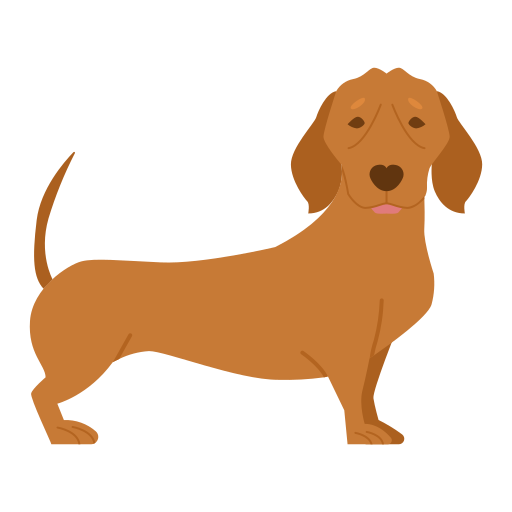
 Dachshund
 Walks are the most overrated activity in the entire dachshund world.
Not useless. Just overrated, and wildly overprescribed as the fix for a dog who has been glaring at the baseboards since ten in the morning.
Consider what you actually signed up for. Dachshunds were bred to go underground, in the dark, alone, to locate a badger and then pick a fight with it. That job demanded a working nose, real problem solving, and a stubborn streak that would embarrass a mule.
Sniffing the same mailbox for twenty minutes does not scratch that itch. Not even close.
The good news: the activities that genuinely satisfy a dachshund are also the ones that are ridiculous fun for the human holding the leash. No expensive gear. No trainer on retainer. Mostly things already sitting in your kitchen drawers.
Here are five worth building into your week, roughly ordered by how fast they will turn your dog into a happy little puddle on the rug.
1. Scent Games That Turn Dinner Into a Treasure Hunt
Watch a dachshund find something with its nose and you will understand the breed in about four seconds.
The tail goes stiff. The ears swing forward. Whatever selective hearing they normally deploy vanishes entirely, because now there is a job.
Scent work is the single highest return activity on this list. Ten minutes of nose work tires most dachshunds more thoroughly than a half hour of trotting around the neighborhood, and you can do it in a hallway while wearing pajamas.
Start With the Three Cup Shuffle
Grab three plastic cups. Put a smelly treat under one while your dog watches, then release them.
They will nail it immediately. That is the point: you want an easy win first.
Now do it again without letting them see which cup you used. Shuffle the cups around. Watch the switch flip from "guessing with my eyes" to "solving with my nose," which usually takes two or three rounds.
A dachshund that gets to use its nose every day is a dachshund with far less interest in redecorating your couch cushions.
Level Up to Full Room Searches
Once cups get boring, hide five or six pieces of kibble around a single room and give a release word.
Keep the hiding spots low and safe at first. No jumping onto furniture, no scrambling under things they could get stuck beneath.
The eventual goal is feeding an entire meal this way a couple times a week. Bowls are convenient for you and profoundly uninteresting to them.
2. Tunnel Runs, Because Of Course
Somebody looked at a dog shaped like a hallway and invented collapsible fabric tunnels. Wonderful.
Agility tunnels made for dogs cost less than a decent dinner out, fold flat, and set up in the living room in under a minute. Kids’ play tunnels work too, though they tend to slide around on hardwood.
Your First Tunnel Session
Collapse the tunnel down to its shortest possible length. Two feet, maybe three. A long dark tube is intimidating; a short one is just a weird hoop.
Sit at one end, toss a treat through, and let curiosity do the work. Most dachshunds figure this out in a single evening because going into tight dark places is literally the family business.
Stretch it longer once they are charging through without hesitation.
Add a Second Tunnel and Watch the Chaos
Two tunnels in an L shape create a course. Two tunnels plus a chair to weave around create an event.
The zoomies that follow a good tunnel session are worth filming. Fair warning: this becomes a habit, and eventually you will own more dog agility equipment than you meant to.
3. Puzzle Feeders and Genuinely Cheap DIY Brain Work
Dachshunds are clever in the specific way that becomes a problem when unemployed.
Bored ones dig at blankets, bark at nothing, and develop opinions about the mail carrier that border on obsession. Occupied ones nap.
Puzzle feeding bridges the gap, and the entry cost is roughly zero if you own a muffin tin.
The Muffin Tin Classic
Drop kibble into a few cups of a muffin tin. Cover every cup with a tennis ball.
Your dog now has to nose or paw each ball off to get the food underneath. Simple, cheap, and endlessly repeatable.
Rolled towels work as well. Sprinkle treats along a bath towel, roll it up loosely, and hand it over.
Rotate So Boredom Never Catches Up
Here is the mistake almost everyone makes: buying one nice puzzle toy and using it forever.
Novelty is most of the value. A puzzle solved fifty times is no longer a puzzle, it is a slightly annoying bowl.
Keep three or four options and cycle them weekly. Stash the others out of sight so they feel new again when they reappear.
Mental work counts as exercise. A dog thinking hard for ten minutes is doing something real, even when its feet barely move.
4. Short Hikes on Soft Ground
Trails beat sidewalks by a mile, and not only because of the scenery.
Dirt, grass, and pine needles are kinder on a long back than concrete. Trail smells are also far more interesting than the third fire hydrant on Elm Street, which means more sniffing and less pulling.
Distance matters less than you would guess. A mile of new terrain with plenty of stops beats three miles of monotony every time.
Read the Trail Before You Commit
Steep grades, big rock steps, and stairs are the things to avoid. Dachshund spines and repeated jumping do not get along, and IVDD risk is a real consideration for this breed rather than internet fearmongering.
Look for gentle, mostly flat loops. Check the surface temperature in summer, since a dog four inches off the ground catches every bit of radiated heat.
Water goes in the pack. Always.
The Carry Bag Rule
Bring a sling or a front carrier for anything longer than a casual loop.
Small dogs bluff. Yours will insist on continuing well past the point of being tired, then be sore for two days afterward.
Carrying them over the rough section is not coddling, it is basic maintenance on a dog built like a coffee table.
5. Trick Training on the Living Room Floor
Trick training has an image problem. People assume it is showing off for guests, when really it is the cheapest mental enrichment available.
Five minutes. No equipment. Works during commercial breaks.
Dachshunds train beautifully when food is involved and terribly when it is not, so bring good treats and keep expectations honest.
Tricks That Suit a Long Body
Skip anything with jumping, twisting, or sitting up on the hind legs for extended stretches. Those look cute and put stress in exactly the wrong place.
Better options: touch a target with the nose, back up in a straight line, spin slowly in each direction, chin rest on your palm, weave between your legs while walking forward.
Nose targeting is the sleeper hit here. It becomes a recall backup, a way to move your dog without grabbing a collar, and the foundation for half a dozen other tricks.
Keep Sessions Short and Slightly Silly
End before your dog gets bored, not after. Three minutes of enthusiasm beats fifteen minutes of a dachshund lying down in protest.
Use a marker word, something crisp like "yes," delivered the instant they get it right. Timing does more for learning than treat quality ever will.
And laugh when they invent their own version of the trick, which they absolutely will, usually because it earns snacks faster.
Training is not about obedience. It is about giving a working dog something to work on, which happens to be the fastest route to a calm evening.
Pick two of these for this week. Try the cup game tonight and something on soft ground this weekend, then notice how differently your dog behaves by Sunday evening.