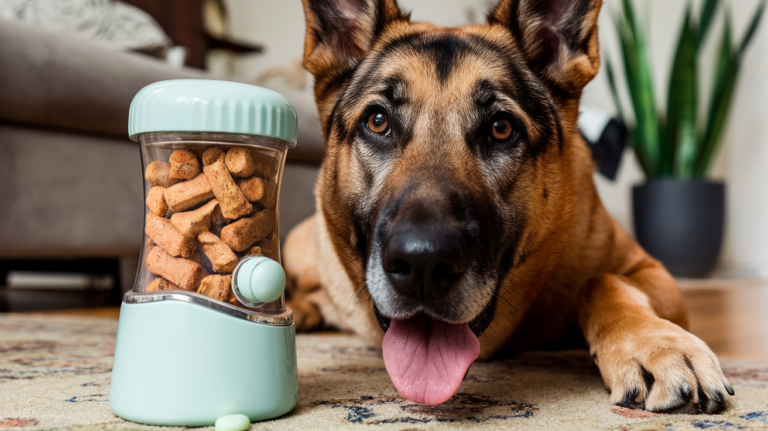
Sooner or later, every owner runs into these common struggles. Knowing what’s coming helps you stay calm, confident, and one step ahead.
You thought you were ready. You watched the YouTube videos, read the training guides, and picked out the perfect name. Then your German Shepherd puppy arrived, and reality hit like a 90-pound furry freight train. These magnificent dogs are loyal, intelligent, and absolutely stunning, but they come with a unique set of challenges that even experienced dog owners don’t always anticipate. The good news? You’re not alone in this beautiful chaos.
Every GSD owner eventually faces certain hurdles that seem almost universal to the breed. Some hit you in the first few months, while others sneak up years later. Understanding these challenges doesn’t mean you made the wrong choice; it means you’re about to become part of an elite club of people who truly get what it takes to live with one of the world’s most incredible dogs.
1. The Shedding Situation Is Beyond What You Imagined
You knew German Shepherds shed. Everyone told you. But knowing and experiencing are two completely different universes. We’re not talking about a little fur on your clothes; we’re talking about enough hair to construct an entirely new dog every single week.
The double coat dilemma is real. German Shepherds have a thick undercoat designed to insulate them in various weather conditions, and when shedding season hits (spoiler: it’s basically all year, with two nuclear events annually), you’ll find fur in places that defy the laws of physics. Inside sealed containers. In your coffee. Woven into the fabric of clothes you haven’t worn in months. One owner famously joked that she could knit a sweater from what she vacuums up daily, and honestly, she probably could.
Your vacuum cleaner will become your most important relationship. Invest accordingly, or prepare for heartbreak when your third Dyson dies a hero’s death.
The financial and time investment in managing this fur factory cannot be overstated. Here’s a realistic breakdown of what you’ll need:
| Tool/Service | Frequency | Annual Cost Estimate |
|---|---|---|
| High-quality vacuum | Weekly (minimum) | $300-$600 (initial) |
| Professional grooming | Every 6-8 weeks | $400-$800 |
| Deshedding tools | Daily during blowouts | $50-$150 |
| Lint rollers (in bulk) | Constantly | $100-$200 |
| Air purifier filters | Monthly replacement | $200-$400 |
The mental shift is equally challenging. You’ll stop wearing certain colors entirely. Black pants? A memory. Navy blue? Too risky. Eventually, you embrace “dog hair chic” as your permanent aesthetic and judge potential romantic partners by how they react to sitting on your fur-covered couch.
2. Their Exercise Needs Will Restructure Your Entire Life
A tired German Shepherd is a good German Shepherd. An under-exercised GSD is a home-renovation specialist who works without your permission or approval. These dogs were bred to work alongside German shepherds (hence the name) for hours every single day, covering miles of terrain while making complex decisions. Your GSD’s ancestors didn’t take days off, and neither does their genetic programming.
The “just a quick walk” fantasy dies fast. A casual 20-minute stroll around the block doesn’t even count as a warm-up for most adult German Shepherds. We’re talking minimum 60 to 90 minutes of real exercise daily, and that’s for the mellow ones. High-energy GSDs need two hours or more, and it can’t just be mindless walking. They need mental stimulation too: training sessions, puzzle toys, nose work, or activities that engage their working-dog brains.
Your schedule will bend to accommodate this. Morning routines start earlier. Weekend plans get filtered through the “can I bring my dog?” lens. Vacations require dog-friendly destinations or trusted sitters who understand the exercise requirements. Some owners take up running, hiking, or biking specifically because their GSD made it non-negotiable.
The destructive phase when you slack off is legendary. Couches get excavated. Drywall gets redesigned. Expensive shoes become abstract art. One owner returned home after skipping the morning run to find her GSD had methodically removed every book from a six-foot bookshelf, apparently conducting some kind of literary review process that involved teeth.
3. Separation Anxiety and Velcro Dog Syndrome Strike Hard
German Shepherds bond intensely with their families, which sounds wonderful until you realize this means your dog has essentially imprinted on you like a baby duck. The term Velcro dog exists specifically for breeds like this. Your GSD will follow you from room to room, lie outside the bathroom door, and stare longingly at you from across the house like you’ve been gone for years instead of sitting on the couch three feet away.
This attachment becomes problematic when you actually need to leave. Separation anxiety in German Shepherds can range from mild stress to full-blown panic attacks that result in destructive behavior, excessive barking, or even self-harm. It’s heartbreaking to watch a powerful, confident dog fall apart because you went to check the mail.
The guilt of leaving becomes its own challenge. You’re not just going to work anymore; you’re abandoning your best friend to an eternity of loneliness (or, you know, four hours, same thing to your GSD).
Training helps, but it requires consistency and patience. Crate training, gradual desensitization to departures, and building independence through structured alone time all work, but they take months of dedicated effort. Some owners resort to doggy daycare, dog walkers, or work-from-home arrangements to minimize their dog’s alone time.
The flip side creates another issue: your social life gets vetted by a four-legged bodyguard. German Shepherds are naturally protective, and if they’ve decided you’re their person, they take that job very seriously. New romantic partners get the full security screening. Friends who come over receive thorough inspections. Your GSD’s approval rating matters more than you’d like to admit.
4. Health Problems Hit Your Emotions and Your Wallet
Let’s talk about hip dysplasia, the ghost that haunts every German Shepherd owner. This genetic condition causes the hip joint to develop abnormally, leading to arthritis, pain, and mobility issues. It’s heartbreakingly common in GSDs, affecting up to 20% of the breed according to various veterinary studies. Watching your athletic, energetic companion struggle to stand or climb stairs is devastating.
But hip dysplasia isn’t the only health landmine. German Shepherds are also prone to:
- Degenerative myelopathy (a progressive spinal cord disease)
- Bloat (a life-threatening stomach condition requiring emergency surgery)
- Exocrine pancreatic insufficiency (digestive disorder)
- Allergies (skin and food sensitivities galore)
- Elbow dysplasia (similar to hip dysplasia but in the front legs)
The emotional toll of managing chronic health conditions in a beloved pet is immense. You become an expert in physical therapy exercises, supplement schedules, and pain management strategies. You learn to read subtle changes in gait or behavior that signal a flare-up.
Financially, the impact can be staggering. Quality pet insurance becomes essential, not optional. Diagnostic testing, specialist appointments, surgeries, and ongoing medications add up fast. Some owners spend thousands annually managing their GSD’s health conditions. The choice between your dog’s quality of life and your financial stability shouldn’t exist, but it’s a reality many face.
5. The Intelligence Level Creates Constant Mental Chess Matches
Having a smart dog sounds like a blessing until you realize your German Shepherd is actively outsmarting you multiple times per day. These dogs don’t just learn commands; they analyze patterns, test boundaries, and develop strategies to achieve their goals. It’s like living with a furry criminal mastermind who occasionally pretends to be obedient when it suits their purposes.
Training never really ends. You can’t teach basic obedience and call it done. GSDs need ongoing mental challenges or they invent their own games, which usually involve things you’d prefer remain un-involved, like the garbage can or the cat. Advanced training, trick learning, and regular reinforcement become permanent parts of your routine.
They also remember everything. That one time you gave in and let them on the couch? Filed away forever. The route to the dog park you took three months ago? Memorized. The specific drawer where treats are kept? Monitored constantly for security breaches. This memory makes consistency absolutely critical; any deviation from rules becomes a negotiation point your GSD will exploit ruthlessly.
The problem-solving abilities astound and terrify in equal measure. Gate latches get figured out. Doors get opened. Complex cause-and-effect relationships get understood and weaponized. One owner installed a child-proof lock on the pantry only to find her GSD learned to open it within a week by watching her do it twice.
Some GSDs develop what can only be described as selective hearing. They clearly understand commands; they’ve proven it hundreds of times. But suddenly, when something more interesting appears, their recall becomes mysteriously defective. They’re not stupid; they’re making calculated decisions about whether your command serves their current interests. It’s infuriating and impressive simultaneously.