Small daily changes create big results. This 30 day challenge boosts happiness, behavior, and overall quality of life.
Life gets busy, and sometimes our German Shepherds end up with the short end of the stick. You love them fiercely, but between work, family, and everything else, they might not be getting the enrichment they truly need. The good news? Thirty days is all it takes to create habits that’ll stick for life.
This isn’t about perfection or spending hours each day on complicated routines. It’s about intentional, fun changes that’ll have your German Shepherd looking at you like you’ve just been crowned the greatest human ever. Small tweaks, massive impact. Let’s do this!
Week 1: Building Better Foundations
Days 1–3: Revamp the Walking Routine
Walking your German Shepherd shouldn’t feel like a chore you’re rushing through before your morning coffee. These first three days focus on transforming your walks from mundane to magnificent. Start by adding just ten extra minutes to each outing. Sounds simple? It is, but the impact is huge.
German Shepherds are working dogs with energy reserves that put most humans to shame. That quick loop around the block isn’t cutting it. Instead, explore new routes in your neighborhood. Different smells, different sights, different sounds—this sensory variety is like reading a new book for your dog’s brain.
The foundation of a well-balanced German Shepherd starts with physical exercise that actually challenges their incredible stamina and intelligence.
Try incorporating “sniff breaks” where you let your dog investigate interesting spots for 30 seconds to a minute. Yes, it might make your walk longer, but mental stimulation from sniffing is exhausting for dogs in the best possible way. Your shepherd’s nose has up to 300 million olfactory receptors compared to your measly 6 million. Let them use that superpower!
Days 4–7: Nutrition Check and Upgrade
Time for some honest evaluation of what’s going into your dog’s bowl. Many German Shepherd owners stick with the same food for years without considering whether it’s truly meeting their dog’s needs. Take a hard look at the ingredients list on your current food. Is real meat the first ingredient? Are there unnecessary fillers?
Consider scheduling a vet appointment during this phase if you haven’t had a checkup recently. Blood work can reveal nutritional deficiencies you’d never spot otherwise. German Shepherds are prone to sensitive stomachs, so working with your vet to optimize their diet is crucial.
Here’s a comparison of what to look for in quality dog food:
| What to Seek | What to Avoid |
|---|---|
| Named meat proteins (chicken, beef, fish) | Generic “meat meal” or “animal byproducts” |
| Whole vegetables and fruits | Excessive corn, wheat, or soy fillers |
| Natural preservatives (vitamin E) | Artificial colors and preservatives (BHA, BHT) |
| Appropriate fat content (12–18%) | Sky high carbohydrate percentages |
| Omega fatty acids for coat health | Long lists of ingredients you can’t pronounce |
Adding fresh foods can also work wonders. A spoonful of plain pumpkin aids digestion, while small amounts of blueberries provide antioxidants. Always research before adding anything new, because some human foods are toxic to dogs.
Week 2: Mental Stimulation Marathon
Days 8–10: Interactive Puzzle Toys
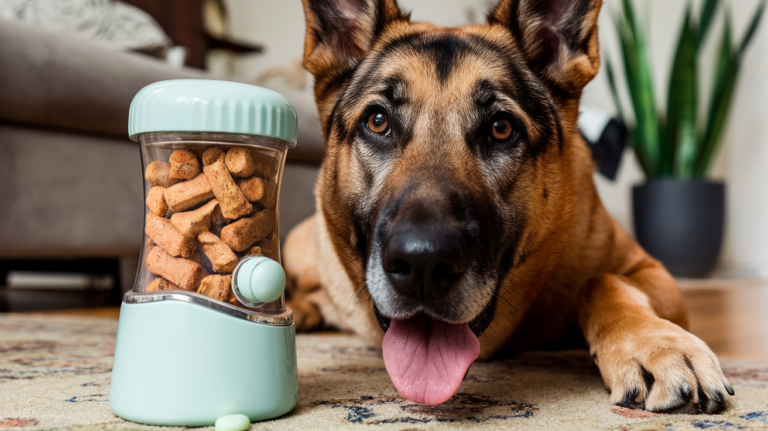
Your German Shepherd’s brain is basically a supercomputer that needs regular software updates. Puzzle toys aren’t just fun; they’re essential for preventing boredom and destructive behaviors. Start with beginner level puzzles and watch your dog’s problem solving skills shine.
Rotate through different types: treat dispensing balls, snuffle mats, puzzle boards with sliding compartments. The variety keeps things interesting and challenges different cognitive skills. You’ll be amazed at how quickly your shepherd figures things out. These dogs were literally bred to think on their feet!
Days 11–14: Training Something New
Teaching your German Shepherd a new trick or command isn’t about showing off at parties (though that’s a nice bonus). It strengthens your communication, builds confidence, and gives your dog a sense of purpose. Choose something fun but challenging: “spin,” “play dead,” “bring me my shoes,” or even basic agility moves.
Keep training sessions short and sweet. Five to ten minutes, two or three times daily, works better than marathon sessions. German Shepherds are eager to please, but they also get bored with repetition. Mix up the rewards between treats, toys, and enthusiastic praise.
Mental exercise can tire a German Shepherd faster than physical exercise, making training sessions an invaluable tool for a calm, happy dog.
The beauty of this approach? You’re simultaneously working on impulse control, focus, and that precious bond between you two. Plus, a mentally tired dog is a good dog who’s less likely to redecorate your couch cushions.
Week 3: Socialization and Enrichment
Days 15–18: Expand Social Horizons
Even if your German Shepherd is an adult, socialization remains important. This doesn’t mean forcing your dog into uncomfortable situations; it means controlled, positive exposure to new experiences. Visit a pet friendly store you’ve never been to before. Sit outside a café and practice calm behavior while watching the world go by.
If your shepherd enjoys other dogs, arrange a playdate with a compatible friend. Not all German Shepherds are dog park enthusiasts, and that’s perfectly fine! Know your dog’s preferences and respect them while gently expanding their comfort zone.
Watch for stress signals: yawning, lip licking, whale eye (showing the whites of their eyes), or a tucked tail. If your dog seems overwhelmed, create more distance from the trigger and try again another day. Pushing too hard creates negative associations.
Days 19–21: Backyard Adventure Course
Transform your outdoor space into an enrichment wonderland. You don’t need fancy equipment; creativity counts more than cash. Set up a simple obstacle course using items you already have: chairs to weave through, a blanket hung low to crawl under, a sturdy box to jump over.
Create a digging zone if your shepherd loves to excavate. Bury toys in a designated area filled with sand or soft dirt. This redirects natural digging instincts away from your flower beds and gives your dog an appropriate outlet.
Try scatter feeding in the grass instead of using a bowl. Toss their kibble across the lawn and let them hunt for each piece. This taps into foraging instincts and turns mealtime into an engaging activity that lasts more than 30 seconds.
Week 4: Health and Wellness Focus
Days 22–25: Grooming Upgrade
German Shepherds shed. A lot. Like, you’ll find fur in places that defy physics. These four days focus on establishing a grooming routine that benefits both coat health and your sanity. Daily brushing isn’t just about managing fur; it distributes natural oils, removes dead hair, and gives you quality bonding time.
Invest in proper tools: an undercoat rake, a slicker brush, and maybe a de-shedding tool. Your vacuum cleaner will thank you. Check ears weekly for redness or odor. Trim nails regularly (every 3–4 weeks) because overgrown nails cause discomfort and can lead to joint problems.
Don’t skip dental care! German Shepherds are prone to dental issues, and those problems affect overall health. Start or improve tooth brushing habits, offer dental chews, and consider professional cleanings as recommended by your vet.
Days 26–28: Rest and Recovery Check
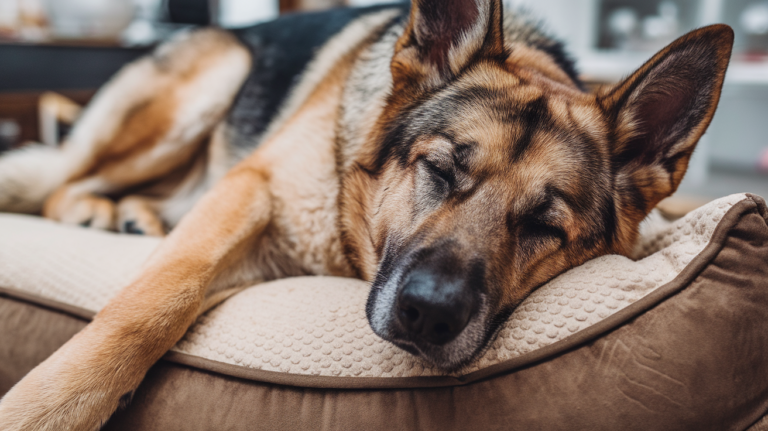
Here’s something many active dog owners forget: rest is productive. German Shepherds need 12–14 hours of sleep daily, including naps. Evaluate whether your dog has a comfortable, quiet place to truly relax. Their crate or bed should be a sanctuary, not just a spot they use when nothing better is happening.
Watch for signs of overexercise: limping, reluctance to move, excessive panting, or behavioral changes. Young shepherds especially can injure themselves during growth phases. Balance activity with adequate recovery time.
Consider adding joint supplements if your shepherd is over five years old or shows any stiffness. Glucosamine and chondroitin can support joint health before problems develop. Always consult your vet before adding supplements.
Days 29–30: Document and Celebrate Progress
Take photos and videos! Compare them to where you started 30 days ago. Notice the difference in your dog’s coat, energy levels, and responsiveness. Write down what worked brilliantly and what flopped spectacularly. Every dog is unique; this challenge is about finding what resonates with your German Shepherd.
Celebrate with something special: a new toy, an extra long hike, a puppuccino from the coffee shop drive through. You’ve both earned it! More importantly, identify which changes you’ll maintain long term. The goal isn’t perfection for 30 days; it’s creating sustainable improvements that last.
| Area of Improvement | Days Focused | Long-Term Frequency |
|---|---|---|
| Enhanced Walking Routes | 1–3 | Daily |
| Nutrition Optimization | 4–7 | Ongoing |
| Puzzle Toys | 8–10 | 3–4 times weekly |
| New Skills Training | 11–14 | Daily (5–10 min) |
| Socialization | 15–18 | Weekly |
| Grooming Routine | 22–25 | Daily brushing |
The magic of this challenge isn’t in being perfect every single day. Life happens: you’ll have late work nights, family emergencies, days when you’re just too tired. That’s human, and it’s okay. What matters is the overall trajectory. Your German Shepherd doesn’t need perfection; they need consistency, effort, and your genuine commitment to their wellbeing.
The best investment you can make in your German Shepherd’s future is the time and attention you give them today.
These 30 days are just the beginning. You’ve built momentum, established new habits, and probably learned a few things about both yourself and your four legged companion. Keep going. Your German Shepherd’s best life is one you create together, day by day, walk by walk, treat by treat.