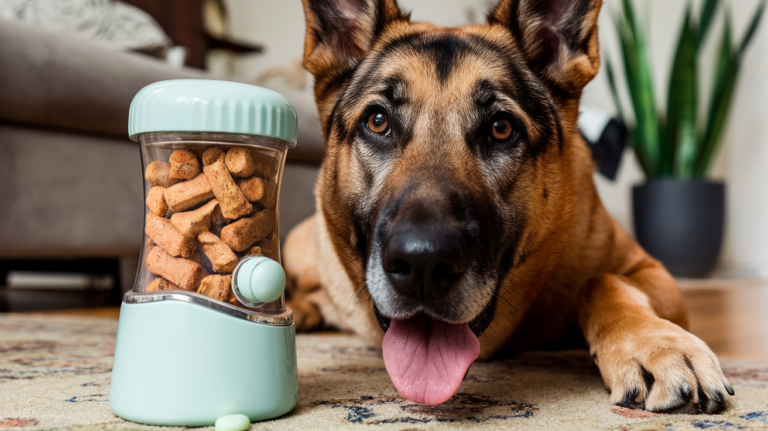
Anxiety doesn’t always look obvious. Subtle behaviors may signal stress hiding beneath calm appearances in your German Shepherd.
Your German Shepherd seems fine. They eat well, play normally, and don’t show any obvious distress. But what if I told you that your dog might be masking significant anxiety through behaviors you’ve been dismissing as quirks or personality traits?
German Shepherds are masters at hiding their discomfort, a trait inherited from their working dog heritage where showing weakness wasn’t an option. This makes it especially important for owners to recognize the uncommon signs of anxiety, the ones that don’t appear in typical dog training books. The three indicators we’re about to discuss might surprise you.
1. Excessive Licking of Paws or Objects
Here’s something many German Shepherd owners never connect to anxiety: obsessive licking. While all dogs lick themselves occasionally for grooming purposes, anxious German Shepherds often develop a compulsive licking habit that goes far beyond normal self-care.
You might notice your GSD spending an unusual amount of time licking their paws, especially the front ones. This isn’t because they’re dirty or itchy (though you should rule out allergies with your vet). Instead, this repetitive behavior serves as a self-soothing mechanism, similar to how anxious humans might bite their nails or tap their fingers.
Why This Happens
When German Shepherds feel stressed or overwhelmed, their bodies release cortisol, the stress hormone. Licking triggers the release of endorphins, which temporarily calm the nervous system. It’s your dog’s way of self-medicating through a difficult emotional moment.
The behavior becomes problematic when it’s constant. Some anxious GSDs will lick the same spot until they create hot spots or hair loss. Others might fixate on licking furniture, floors, or even you. This displacement behavior indicates that your dog doesn’t know how to process their anxiety in a healthier way.
When your German Shepherd turns repetitive licking into a daily ritual rather than an occasional habit, their body is screaming for help in the only language they know.
What to Look For
Pay attention to when the licking occurs. Does it happen:
- When you’re preparing to leave the house?
- During thunderstorms or fireworks?
- When visitors arrive?
- At specific times of day?
Identifying the triggers can help you address the root cause of your dog’s anxiety rather than just the symptom.
| Licking Type | Normal Behavior | Anxiety Indicator |
|---|---|---|
| Paw licking | Occasional after walks | Constant, creating raw spots |
| Self-licking | Quick grooming sessions | Extended sessions (10+ minutes) |
| Object licking | Brief exploration | Obsessive focus on same spot |
| Human licking | Greeting or affection | Frantic, excessive licking |
2. Shadow Chasing and Light Fixation
This one catches many German Shepherd owners completely off guard. You might think your dog is just being playful or silly when they suddenly become obsessed with chasing shadows, light reflections, or even dust particles floating in sunbeams. But this behavior is often a red flag for anxiety.
German Shepherds are highly intelligent and visually oriented dogs. When they’re anxious, they sometimes develop compulsive behaviors focused on visual stimuli. What starts as casual interest in a moving shadow can quickly spiral into an all-consuming obsession that interferes with their quality of life.
The Escalation Pattern
It typically begins innocently. Your GSD notices a shadow or reflection and paws at it once or twice. You might even encourage it, thinking it’s cute. But anxious dogs can become so fixated on these visual phenomena that they:
- Refuse to walk in certain areas where shadows appear
- Stare at walls or floors for hours waiting for light patterns
- Become agitated when they can’t “catch” the shadow
- Ignore food, toys, or even you in favor of shadow hunting
This behavior is particularly common in German Shepherds because of their strong prey drive combined with their tendency toward obsessive-compulsive behaviors when stressed.
An anxious German Shepherd doesn’t chase shadows for fun; they chase them because their overstimulated mind is desperately searching for something to control in a world that feels chaotic.
Why It’s More Than Play
Unlike normal play behavior, anxiety-driven shadow chasing has a frantic quality to it. Your dog isn’t joyful or relaxed during these episodes. Instead, they appear tense, frustrated, and unable to disengage even when exhausted. Their pupils might be dilated, their body stiff, and they may not respond to commands they normally obey perfectly.
The scariest part? This behavior can become self-reinforcing. Each time your dog engages in shadow chasing, they get a small dopamine hit that temporarily relieves their anxiety. This creates a vicious cycle where the behavior becomes the go-to coping mechanism, similar to an addiction.
3. Hyper-Attachment and Velcro Dog Behavior
German Shepherds are naturally loyal and tend to bond closely with their families. But there’s a significant difference between a devoted companion and a dog experiencing separation anxiety manifesting as hyper-attachment.
If your GSD follows you from room to room, panics when you close the bathroom door, or can’t settle unless they’re touching you, they’re displaying velcro dog syndrome. This extreme clinginess isn’t just annoying; it’s a symptom of profound anxiety about being separated from you, even for seconds.
Beyond Normal Bonding
A confident, secure German Shepherd can handle brief separations without distress. They might prefer your company, but they don’t require it every single moment. An anxious GSD, however, experiences genuine panic at the thought of separation.
These dogs often:
- Position themselves between you and the door
- Become visibly stressed when you pick up keys or put on shoes
- Whine or pace when you move to another room
- Refuse to eat or drink when alone
- Display destructive behavior exclusively when separated
The Physical Manifestations
Interestingly, hyper-attached German Shepherds often show physical symptoms of anxiety that owners miss. Watch for:
- Excessive panting when you’re preparing to leave (even if the temperature is cool)
- Drooling more than usual in situations involving separation
- Yawning repeatedly (a stress signal in dogs, not tiredness)
- Trembling or shaking when they sense separation is coming
| Attachment Level | Healthy Bonding | Anxiety-Driven Attachment |
|---|---|---|
| Following behavior | Follows occasionally | Never lets you out of sight |
| Door reactions | Mild interest | Frantic blocking or scratching |
| Settling ability | Can relax independently | Only settles when touching you |
| Alone time tolerance | Comfortable for hours | Distressed within minutes |
| Greeting intensity | Happy but controlled | Overwhelming, almost frantic |
Why German Shepherds Are Particularly Susceptible
German Shepherds were bred to work closely with humans, often in protection or herding roles that required constant communication with their handler. This genetic programming makes them incredibly attuned to their owners’ whereabouts and emotional states.
When a GSD develops anxiety, this natural attunement goes into overdrive. They become hypervigilant about your location and emotional state, constantly monitoring you for signs that you might leave or that danger might be approaching. It’s exhausting for them and restricting for you.
A German Shepherd suffering from hyper-attachment isn’t being needy or dramatic. They genuinely believe that separation from you equals danger, and their entire nervous system is screaming at them to prevent it at all costs.
The Subtle Early Warning Signs
Before velcro behavior becomes extreme, you might notice your GSD:
- Sleeping with their body pressed against doors
- Positioning themselves to see you at all times
- Becoming restless when you talk on the phone (associating it with departure)
- Shadowing you more intensely during specific times (mornings, evenings)
Catching these early indicators gives you the best chance of addressing the anxiety before it becomes debilitating. Working with a veterinary behaviorist or certified dog trainer who specializes in anxiety can help you develop a treatment plan that might include desensitization exercises, environmental changes, increased mental stimulation, and in some cases, anti-anxiety medication.
Remember, these unusual signs of anxiety aren’t character flaws or training failures. They’re your German Shepherd’s way of communicating that their emotional needs aren’t being met. By recognizing these subtle signals, you’re taking the first step toward helping your loyal companion feel safe, secure, and genuinely relaxed.