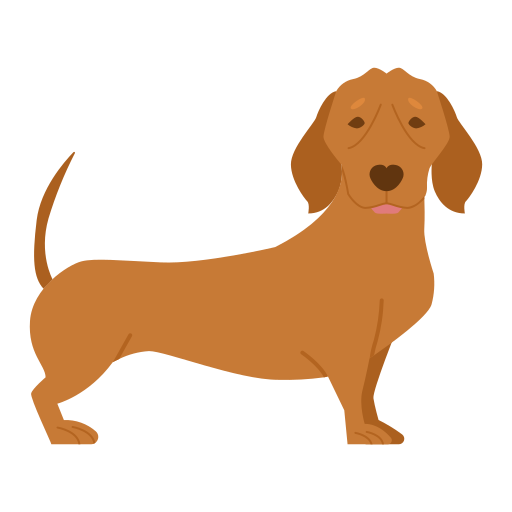
 Dachshund
 Scooping up a dachshund the way you’d lift a toddler, both hands under the front legs, back half swinging free like a pendulum, is the rookie move almost everyone makes exactly once before a vet tech gives them a look.
The breed practically invites it. That low, long body has a built in handle vibe, and the dog usually goes limp and happy about the whole thing.
But the spine underneath is doing something no other body shape asks of it, and the people who have lived with these dogs for a decade or two have opinions about that. Strong ones. Usually learned the expensive way.
What follows is the collected wisdom of owners who have already made the mistakes, paid the bills, and mopped up the accidents.
Protecting That Famous Long Back
1. Lift with two hands, always
Slide one hand under the chest and the other under the rump, then lift both ends at the same time. Every time, even for a two second pickup.
Set them down the same way, back feet first, so the spine never takes the drop.
2. Make stairs a privilege, not a default
Full flights of stairs put repeated compression on a long back. Plenty of experienced owners simply carry their dachshund up and down for life.
Baby gates at the top and bottom sound dramatic until you meet someone whose dog blew a disc on a Tuesday afternoon.
3. Treat the couch like a cliff
A jump down from sofa height is a shockingly hard landing for a dog built this way. Ramps and pet stairs solve it for about thirty dollars.
Yes, your dog will ignore the ramp at first. Yes, they will use it eventually if you bait it with treats for a week.
4. Harness only, no exceptions
Neck collars on a dog who pulls put pressure exactly where you do not want it. A well fitted Y shaped harness spreads the load across the chest instead.
Keep the collar for tags. Clip the leash to the harness.
5. Learn the early warning signs now, not later
Intervertebral disc disease is the thing dachshund owners talk about most, and catching it early matters enormously. Watch for a hunched posture, reluctance to jump, shivering, yelping when picked up, or a wobbly back end.
A dachshund who suddenly refuses to do something they have always done is not being stubborn. They are telling you something hurts.
Call your vet the same day. Not the next week.
Training a Dog Who Has Very Strong Opinions
6. Build recall before you need it
These dogs were bred to follow a scent underground and make decisions without you. That instinct does not switch off because you shouted their name.
Start recall games indoors, then in a fenced yard, and pay generously.
7. Assume the nose will win outdoors
Off leash in an open area is a gamble most veteran owners refuse to take. A rabbit trail beats your relationship every single time.
Long lines let them explore without the heart attack.
8. Be patient with house training, then be more patient
Dachshunds have a reputation for being slow to house train, and the reputation is earned. Small bladder, big stubborn streak, strong dislike of wet grass.
Take them out on a schedule rather than waiting for a signal. Reward outside within three seconds of the deed, not after they wander back in.
9. Socialize early and keep going
A dachshund who never met strangers, bicycles, or other dogs becomes a dachshund with a very loud opinion about all three. Short, positive exposures beat long overwhelming ones.
Puppy class is worth it. So is sitting on a bench watching the world go by.
10. Teach a quiet cue before the barking becomes a hobby
These are hounds with a voice built to carry across a field. Suppressing it entirely is unrealistic, so give the barking a shape instead.
Let them alert, mark it with a calm "thank you," then reward silence. Consistency matters more than volume.
Food, Weight, and the Great Snack Negotiation
11. Weigh them monthly and write it down
Extra weight on a long spine is a direct risk, not a cosmetic issue. Kitchen scale for puppies, bathroom scale trick for adults where you weigh yourself, then yourself holding the dog.
Small gains creep in invisibly on a dog this size.
12. Measure every meal
Eyeballing a scoop adds up fast when the whole daily ration is under a cup. Use an actual measuring cup or, better, a gram scale.
13. Count treats as food
Training treats are calories, and a dachshund will happily accept nine hundred of them. Pull the treat allowance out of the daily food total instead of adding it on top.
Frozen green beans and plain carrot coins fill the gap beautifully.
14. Guard the counters and the trash
Dachshunds are opportunistic thieves with excellent noses and surprising athleticism when motivated. Cabinet locks and a lidded bin save a lot of emergency calls.
Never underestimate what a twelve pound dog can reach when the reward is a stick of butter.
Setting Up a Home That Actually Works
15. Give them somewhere to burrow
The urge to tunnel under things is hardwired, and denying it just means they burrow under your duvet at 3am. A covered bed, a cave bed, or a pile of fleece blankets satisfies it.
Watch before you sit down on any soft surface. Seriously.
16. Gate the danger zones
Stairs, balconies, and sunken living rooms all deserve barriers. Gates are cheaper than surgery, and the math is not close.
17. Add ramps where the height changes
Bed, couch, and car are the big three. Car ramps in particular save your back as well as theirs.
Train the ramp on flat ground first, then raise the angle gradually.
Living With the Personality
18. Motivation beats correction, every time
A dachshund who feels bullied digs in like a fencepost. The same dog will work brilliantly for cheese, a squeaky toy, or the chance to sniff something interesting.
Figure out their currency and pay in it.
19. Give the digging a legal outlet
Trying to stop a dachshund from digging is like trying to stop rain. Build a sandbox or claim a corner of the garden and bury toys there.
Praise the approved hole loudly. The roses will thank you.
20. Respect that they get cold
Low bodies sit close to wet, frozen ground, and short coats offer very little insulation. Sweaters are not a costume choice for this breed in winter.
A shivering dachshund also tenses their back muscles, which nobody needs.
21. Prepare for a dog who wants to be on you
Dachshunds bond hard and fast, and many struggle when left alone. Build alone time deliberately from day one with short absences that gradually stretch longer.
A dachshund does not think of you as their owner. They think of you as their tunnel, and they intend to be inside it.
Leave a stuffed frozen toy, keep departures boring, and avoid the emotional goodbye speech. They read your energy far better than your words, and a calm exit teaches them there is nothing here worth panicking about.