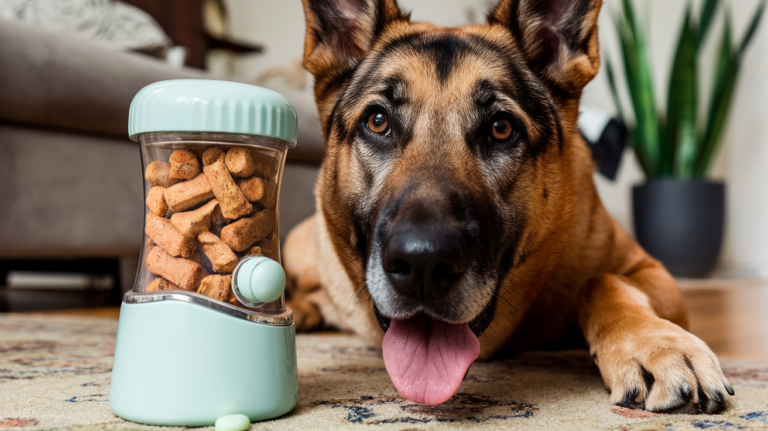
Better sleep means better behavior. Create a bedtime routine that helps your German Shepherd relax, settle, and sleep soundly.
It’s 10 PM, and your German Shepherd is circling their bed for the fifteenth time, pawing at blankets, and generally looking as comfortable as someone trying to sleep on a pile of rocks. Sound familiar? You’re not alone. Many GSD owners struggle to create the perfect sleep setup for their four legged friends, but the good news is that a few strategic changes can make all the difference between a restless night and sweet dreams.
German Shepherds might look tough on the outside, but they’re actually big softies when it comes to comfort. These intelligent, sensitive dogs thrive on routine and coziness just like we do. Getting their sleep environment right isn’t just about spoiling them (though that’s definitely a perk). It’s about supporting their health, happiness, and that legendary German Shepherd loyalty.
1. Invest in an Orthopedic Bed Made for Large Breeds
Here’s something many German Shepherd owners learn the hard way: not all dog beds are created equal. Your GSD’s body is built differently than a Chihuahua or even a Labrador. Those long backs and powerful hips need proper support, especially as they age.
Orthopedic beds with memory foam distribute weight evenly and relieve pressure points. This is crucial for preventing hip dysplasia complications and keeping older dogs comfortable. Look for beds that are at least 4 inches thick and specifically rated for dogs over 50 pounds.
The right bed isn’t an expense; it’s an investment in your German Shepherd’s long term mobility and quality of life.
Don’t cheap out here. A quality orthopedic bed will last years and could save you thousands in veterinary bills down the road. Plus, your shepherd will actually use it instead of abandoning it for your bed (okay, they might still try that anyway, but at least they’ll have a good option).
2. Create a Dedicated Sleep Space Away from Chaos
German Shepherds are sensitive souls despite their tough exterior. They pick up on household energy and can struggle to decompress if their bed is in a high traffic area. Think about where you’ve placed their sleeping spot. Is it next to the noisy kitchen? In the middle of the living room where people walk by constantly?
Try moving their bed to a quiet corner where they can retreat when they need rest. This doesn’t mean isolating them (they still want to be near their pack), but rather giving them a space that feels safe and calm. Many GSDs do wonderfully in a corner of the master bedroom or a quiet spot in the family room.
Consider the temperature too. German Shepherds have thick double coats, so they often prefer cooler spots. Avoid placing their bed near heating vents or in direct sunlight.
3. Establish a Consistent Bedtime Routine
Dogs are creatures of habit, and German Shepherds are especially fond of routines. They thrive when they know what to expect. A predictable bedtime routine signals to your dog’s brain that it’s time to wind down.
Your routine might include an evening walk, a bathroom break, some calm interaction (no wild play), and then settling into their bed space. Use the same sequence every night, and your GSD will start preparing mentally and physically for sleep.
Here’s a sample routine that works for many shepherds:
| Time | Activity | Duration |
|---|---|---|
| 8:00 PM | Evening walk | 20-30 minutes |
| 8:30 PM | Light meal or snack | 5 minutes |
| 9:00 PM | Calm indoor time | 30 minutes |
| 9:30 PM | Final potty break | 10 minutes |
| 9:45 PM | Settle into bed space | Variable |
The timing doesn’t have to match this exactly, but the consistency does. Your shepherd’s internal clock will sync up with this routine within a week or two.
4. Use Calming Scents and Sounds
German Shepherds have incredibly sensitive noses, around 10,000 to 100,000 times more sensitive than ours. You can use this superpower to help them relax at bedtime. Certain scents have naturally calming properties for dogs.
Lavender is the star player here. Studies have shown that lavender can reduce anxiety and promote relaxation in dogs. You can use a dog safe lavender spray on their bedding (never apply essential oils directly to your dog) or a plug in diffuser in their sleep area.
Scent isn’t just about masking odors; it’s about creating a multi-sensory sleep sanctuary that tells your German Shepherd’s brain it’s safe to rest.
White noise machines or soft classical music can also work wonders. Many GSDs are hyper alert to sounds, which means every car door, squirrel, or distant bark can interrupt their sleep. Gentle background noise helps mask these triggers.
5. Provide Adequate Physical Exercise During the Day
Let’s talk about the elephant in the room: a tired German Shepherd is a sleepy German Shepherd. These dogs were bred to work, herd, and protect. They need physical outlets for all that energy, or they’ll struggle to settle at night.
Most adult GSDs need at least 90 minutes of exercise daily, split between walks, play, and training. Puppies and young adults often need even more. This isn’t just a casual stroll around the block. We’re talking about activities that get their heart rate up and engage their mind.
Activities that work brilliantly for GSDs include:
- Long walks or hikes with varied terrain
- Fetch or frisbee sessions
- Agility training
- Swimming (excellent low impact option)
- Interactive play with other dogs
Without adequate exercise, your shepherd will bring that pent up energy into the evening hours, leading to restlessness, pacing, and difficulty settling down.
6. Add Mental Stimulation to Tire the Brain
Here’s something fascinating about German Shepherds: mental exhaustion can be just as effective as physical exercise for promoting sleep. These brilliant dogs need to use their brains, or they get anxious and restless.
Puzzle toys, training sessions, and scent work before bedtime (but not too close to sleep time) can help tire out that active GSD mind. A twenty minute training session can sometimes be more effective than a hour long walk for promoting quality rest.
Try incorporating obedience practice, new trick training, or hide and seek games in the evening. Just make sure to end these sessions at least an hour before bedtime so your dog has time to come down from the excitement.
7. Consider the Bed Temperature and Materials
Temperature regulation is huge for German Shepherds. That gorgeous double coat that keeps them warm in winter can make them overheat easily. Many GSDs actually prefer cooler sleeping surfaces, especially in warmer months.
Look for beds with cooling gel layers or elevated designs that allow air circulation underneath. In winter, you can add blankets they can burrow into, but in summer, less is often more.
The material matters too. Waterproof liners are essential (accidents happen, even with housetrained dogs). Removable, washable covers in breathable fabrics keep things hygienic and comfortable.
| Season | Ideal Bed Features | Temperature Range |
|---|---|---|
| Summer | Cooling gel, elevated design, light covers | 65-72°F |
| Winter | Thicker padding, optional blankets, insulated base | 60-68°F |
| Spring/Fall | Standard comfort, moderate padding | 62-70°F |
8. Address Anxiety and Separation Issues
German Shepherds bond intensely with their families, which is wonderful but can also lead to anxiety when separated, even just for bedtime. If your shepherd whines, paces, or refuses to settle when you’re not nearby, you’re dealing with separation anxiety.
Gradual desensitization is key here. Start by rewarding calm behavior when you’re near their bed, then slowly increase distance over weeks. Crate training can actually help some anxious dogs feel more secure, as the enclosed space mimics a den.
Anxiety wraps or calming supplements (always consult your vet first) can also help during the transition period. The goal is for your GSD to feel safe and secure in their sleep space, even when you’re not right there.
9. Ensure Proper Lighting Conditions
Dogs are crepuscular, meaning they’re naturally most active at dawn and dusk. However, they’ve adapted to human schedules over thousands of years. Light exposure plays a massive role in regulating your shepherd’s circadian rhythm.
Bright lights in the evening can interfere with melatonin production, making it harder for your dog to feel sleepy. Dim the lights in your home starting about an hour before bedtime. If their sleep area has windows, consider blackout curtains for dogs who are sensitive to early morning light or streetlights.
Some dogs actually appreciate a small nightlight in unfamiliar situations or if they need to navigate at night (especially useful for older dogs with declining vision).
10. Choose the Right Bed Size and Shape
This seems obvious, but you’d be surprised how many people buy beds that are too small for their German Shepherds. Your dog should be able to fully stretch out without hanging off the edges.
Measure your GSD from nose to tail while they’re lying down fully extended, then add at least 6 to 8 inches to that measurement. That’s your minimum bed length. Most adult German Shepherds need beds in the 40 to 48 inch range.
A bed that’s too small isn’t just uncomfortable; it forces your dog into cramped sleeping positions that can lead to joint stiffness and interrupted sleep.
Consider your dog’s sleeping style too. Do they curl up in a ball? A bolster bed with raised edges might be perfect. Do they sprawl like a starfish? Go for a flat mat style. Some shepherds love bolsters for chin rests but need room to stretch, making a partially bolstered bed ideal.
11. Maintain Bedroom Cleanliness and Freshness
German Shepherds shed. A lot. We’re talking tumbleweeds of fur rolling across your floor daily. All that loose hair and dander can accumulate in their bedding, creating an uncomfortable, potentially irritating sleep surface.
Wash their bed covers weekly in hot water to eliminate allergens, bacteria, and that distinctive doggy smell. Vacuum their sleep area every few days. If your shepherd has allergies or sensitive skin, use hypoallergenic, fragrance free detergent.
Between washes, you can spot clean and use baking soda to absorb odors. A clean bed is a more inviting bed, and your nose will thank you too.
12. Provide Pre-Bedtime Bathroom Opportunities
Nothing disrupts sleep faster than a full bladder. Adult German Shepherds can typically hold it through the night (around 8 to 10 hours), but they need that final bathroom break before settling down.
Take your GSD out for a proper bathroom trip, not just a quick step outside, about 30 minutes before bedtime. This gives them time to fully empty and then settle back down without being overstimulated right before sleep.
Puppies under six months and senior dogs may need middle of the night bathroom breaks. If you’re dealing with frequent nighttime interruptions, consult your vet to rule out medical issues like UTIs or diabetes.
13. Offer Comfort Items and Appropriate Bedtime Chews
Some German Shepherds sleep better with comfort items nearby. This might be a favorite toy, an item with your scent on it (like an old t-shirt), or a special blanket. These objects provide psychological comfort and help your dog feel secure.
A bedtime chew can also be part of a great wind down routine. Choose something long lasting but not so exciting that it amps your dog up. Bully sticks, dental chews, or frozen Kong toys stuffed with dog safe ingredients work wonderfully.
The key is making the chew part of the bedtime routine, not a surprise exciting treat. Your shepherd learns to associate this pleasant activity with settling down for the night, creating a positive feedback loop.
Sweet dreams to you and your German Shepherd! With these strategies in place, you’re well on your way to creating the ultimate cozy sleep sanctuary for your loyal companion.