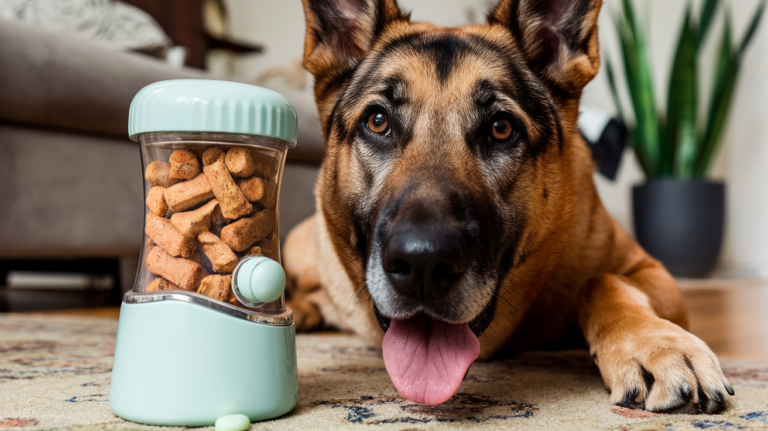
Social skills aren’t automatic. These fun activities help your German Shepherd build confidence around people, dogs, and new environments.
Your German Shepherd puppy just growled at a chihuahua. Or maybe your adult GSD freezes up whenever another dog approaches at the park. Sound familiar? You’re not alone, and more importantly, you’re not stuck with this behavior forever.
German Shepherds are naturally protective and can be reserved with strangers, which is part of their charm but can also lead to social challenges if left unaddressed. Socialization isn’t about turning your vigilant shepherd into a pushover who loves everyone indiscriminately. It’s about building confidence and teaching appropriate responses to the world’s endless variety of stimuli.
A properly socialized German Shepherd can assess situations calmly, interact politely with other dogs and humans, and still maintain that noble guardian spirit that makes the breed so special.
1. Puppy Kindergarten Classes (Yes, Even for Older Dogs!)
Structured puppy classes offer something you simply cannot replicate at home: controlled exposure to multiple dogs and people in a safe environment. Professional trainers supervise interactions, ensuring that play doesn’t escalate into bullying and that shy pups get gentle encouragement rather than overwhelming pressure.
What makes these classes particularly valuable for German Shepherds is the breed-specific guidance you’ll receive. Your shepherd’s herding instincts might manifest as nipping at other dogs’ heels during play, which trainers can help redirect. Plus, the mental stimulation of learning basic commands while surrounded by distractions does double duty, socializing your dog while establishing your role as the calm, confident leader.
Don’t let the “puppy” label fool you. Many facilities offer classes for adolescent and adult dogs specifically designed for remedial socialization. Your three-year-old shepherd who never learned proper dog etiquette? There’s a class for that.
2. Doggy Daycare Adventures
Imagine dropping your German Shepherd off at what is essentially an all-day play party with professional supervision. That’s doggy daycare, and it’s pure gold for socialization. Unlike the dog park where anything goes, reputable daycares screen participants, group dogs by size and play style, and intervene when play gets too rough.
For shepherds who can be intense or dominant, this structured environment teaches them to read other dogs’ signals and adjust their play accordingly. They learn that the tiny terrier doesn’t want to wrestle, but that energetic lab mix is absolutely game for a rousing game of chase.
| Daycare Benefits | Why It Works for GSDs |
|---|---|
| Supervised play groups | Prevents development of aggressive habits |
| Mental stimulation | Exhausts that big shepherd brain |
| Regular routine | Builds confidence through familiarity |
| Varied playmates | Teaches adaptability to different personalities |
| Professional intervention | Corrects inappropriate behavior immediately |
Start with short sessions (just a few hours) and gradually increase duration as your shepherd becomes comfortable. Some dogs thrive with daily attendance; others do better with once or twice weekly visits.
3. Hiking with Fellow Dog Owners
Trail hiking combines two things German Shepherds adore: physical exercise and purposeful work. When you arrange group hikes with other responsible dog owners, you create a scenario where dogs are focused on the activity rather than fixated on each other. This “parallel play” situation is less confrontational than face-to-face meetings and often helps reactive dogs relax.
The changing terrain, interesting smells, and shared mission create positive associations with other dogs’ presence. Your shepherd learns that other canines signal fun adventures rather than threats or competition. Plus, the physical exertion means everyone’s too pleasantly tired to start drama.
When dogs work together toward a common goal, like conquering that steep trail or investigating that interesting smell by the creek, they build camaraderie naturally. This mirrors how wolves in a pack bond through shared purpose rather than forced interaction.
Pro tip: Keep initial group hikes small (two to three dogs max) and choose companions whose dogs are already well socialized and friendly. Your shepherd will learn better manners from calm, confident role models than from equally anxious or reactive dogs.
4. Canine Sports and Competition Training
German Shepherds were literally bred to work, so channeling that drive into organized canine sports is socialization genius. Whether it’s agility, nose work, dock diving, or rally obedience, these activities place your dog in environments with other dogs while focusing their attention on tasks.
In an agility class, for instance, dogs wait their turn while watching others navigate the course. This teaches patience, impulse control, and acceptance of other dogs in their space without direct interaction. When it IS your turn, your shepherd is too focused on following your commands and conquering obstacles to worry about the other dogs.
The competitive aspect (even if you never actually compete) adds another layer: your dog learns to perform reliably despite distractions. That’s advanced social skills right there. Plus, you’ll meet other dedicated dog owners who become your tribe, scheduling practice sessions and becoming your shepherd’s extended social circle.
5. Neighborhood Walking Groups
Sometimes the best socialization happens right in your own neighborhood. Organize regular walking groups with fellow dog owners, creating a consistent routine where your German Shepherd encounters the same dogs repeatedly. This familiarity breeds comfort, and eventually, friendship.
Unlike the chaos of a dog park, walking groups maintain structure. Dogs are on leash, owners are attentive, and the forward motion prevents the tense face-offs that can occur when dogs meet head-on while stationary. Your shepherd learns to walk calmly beside other dogs, a skill that translates to every future encounter.
Vary your routes to expose your dog to different environments while maintaining the security of their familiar pack. The combination of novelty and consistency is perfect for building confidence.
6. Breed-Specific Meetups
There’s something magical about watching your German Shepherd interact with their own kind. Breed-specific meetups allow shepherds to engage in play styles that other breeds might find too intense. That full-body tackle that sends the poodle running in terror? Totally normal shepherd play.
These gatherings also give you the opportunity to learn from experienced GSD owners. Someone else has dealt with your dog’s exact quirks and can share what worked for them. The collective wisdom of breed enthusiasts is invaluable for troubleshooting social issues specific to shepherds.
Check Facebook groups, Meetup.com, or local German Shepherd clubs for organized events. Many areas host monthly shepherd meetups at dog-friendly parks or private properties.
7. Cafe and Restaurant Patio Visits
Urban socialization doesn’t always mean dog-on-dog interaction. Teaching your German Shepherd to remain calm in busy, human-centric environments is equally important. Dog-friendly restaurant patios offer exposure to crowds, children, strollers, other dogs passing by, interesting food smells, and unpredictable noises.
Start during off-peak hours when the patio is less crowded. Bring a mat or blanket for your shepherd to lie on, establishing their “place” where they’re expected to settle. Reward calm behavior generously. As your dog’s confidence grows, tackle busier times.
The ability to relax in chaos is perhaps the ultimate social skill. A German Shepherd who can snooze peacefully under a cafe table while toddlers toddle past and servers weave around with trays is a dog who has truly mastered the art of coexisting with the world.
This activity also normalizes your dog’s presence in public spaces, making them a welcome ambassador for the breed rather than confirming stereotypes about “aggressive” shepherds.
8. Volunteering Together
Many therapy dog organizations welcome German Shepherds who have the right temperament. Working toward therapy dog certification requires extensive socialization and training, exposing your shepherd to wheelchairs, walkers, loud noises, sudden movements, and people of all ages and abilities.
Even if formal therapy work isn’t your goal, volunteering at animal shelters, participating in breed rescue events, or helping with dog-related fundraisers puts your shepherd in contact with new people and dogs while contributing to a meaningful cause. The sense of purpose elevates the experience beyond mere socialization into true partnership.
Your shepherd gets to be helpful (their favorite thing) while learning to navigate complex social situations. Win, win.
9. Doggy Beach Days or Swimming Sessions
Water adds a completely new dimension to socialization. Many shepherds who are nervous on land become playful goofballs in the water. Swimming requires different physical coordination and creates a more level playing field between different-sized dogs.
Beach days or visits to dog-friendly swimming spots expose your shepherd to enthusiastic retrievers, water-loving labs, and all manner of aquatic canines. The shared joy of splashing, fetching water toys, and shaking off creates bonds that land-based encounters might not achieve.
Just ensure your shepherd is comfortable in water before introducing other dogs into the mix. Safety first, socialization second.
10. Training Drop-In Sessions at Pet Stores
Many pet supply stores offer free or low-cost training sessions where dogs can practice basic commands in a highly distracting environment. The store itself, with its overwhelming smells and sights, provides stimulation, while other dogs and shoppers create perfect socialization opportunities.
These sessions typically last 15 to 30 minutes, making them manageable for dogs still building social stamina. The structured nature prevents free-for-all interactions while still exposing your shepherd to other dogs in close proximity.
| What Your GSD Learns | Real-World Application |
|---|---|
| Focus despite distractions | Reliable recall at the park |
| Proximity tolerance | Calm vet visits |
| Impulse control | Not lunging at joggers/cyclists |
| Handler attention | Trusting your leadership in new situations |
Bonus: you can grab that bag of treats or new toy you’ve been meaning to buy while you’re there.
11. Canine Good Citizen Certification Prep
Working toward the AKC’s Canine Good Citizen (CGC) certification provides a structured socialization curriculum. The test includes accepting a friendly stranger, sitting politely for petting, walking through a crowd, and remaining calm around other dogs.
Each component directly addresses common German Shepherd social challenges. The “reaction to another dog” test, where your dog must remain under control while walking past another dog, is particularly valuable for shepherds who tend toward reactivity.
Even if you never officially test, training for CGC standards gives you clear benchmarks and goals for your socialization efforts. Many trainers offer CGC prep classes that double as ongoing socialization opportunities.
12. Neighborhood Barbecues and Backyard Parties
Don’t underestimate the power of casual social gatherings. Inviting friends with well-mannered dogs over for a backyard barbecue creates a low-pressure environment where dogs can interact while you supervise closely.
The familiar territory of home gives your shepherd confidence while the presence of guests teaches them to remain polite and calm when their space is “invaded” by friendly visitors. This directly combats territorial behavior and resource guarding tendencies some shepherds develop.
Start with one or two calm, dog-savvy friends and their pets. As your shepherd becomes comfortable, gradually increase the guest list. The goal isn’t wild puppy parties; it’s teaching your dog that guests (both human and canine) are normal, enjoyable, and nothing to stress about.
Socialization isn’t a destination you reach and then abandon. It’s an ongoing practice, a lifestyle choice that continues throughout your German Shepherd’s life. Every positive interaction builds on previous experiences, creating a dog who moves through the world with confidence and grace.
Remember, every German Shepherd is an individual. What works beautifully for one might overwhelm another. Pay attention to your dog’s stress signals: lip licking, yawning, whale eye, tucked tail, or excessive panting. Respect their limits while gently expanding their comfort zone. With patience, consistency, and these fun activities, you’ll help your German Shepherd develop the social skills to be a confident, well-adjusted companion in any situation.