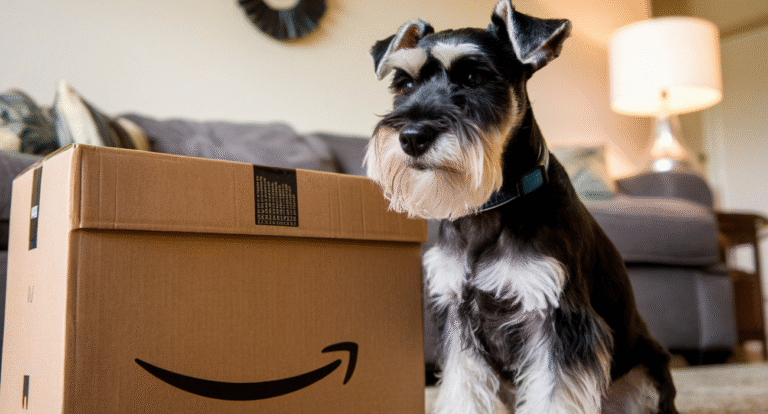
Want to save money on Schnauzer care? These clever, practical tips help trim costs without sacrificing your pup’s health or happiness.
Love your Schnauzer’s signature eyebrows and that magnificent beard? So does your groomer, and they’re charging you accordingly. Add in specialized food, regular vet visits, and enough toys to stock a pet store, and suddenly your four legged friend is your most expensive relationship. No judgment here; those faces are worth it.
The secret that experienced Schnauzer owners know is this: premium care doesn’t always require a premium price tag. Smart shopping, DIY grooming tricks, and knowing where to splurge versus save can transform your pet budget from terrifying to totally manageable. Get ready to discover how to keep your Schnauzer living their best life while your bank account stays healthy too.
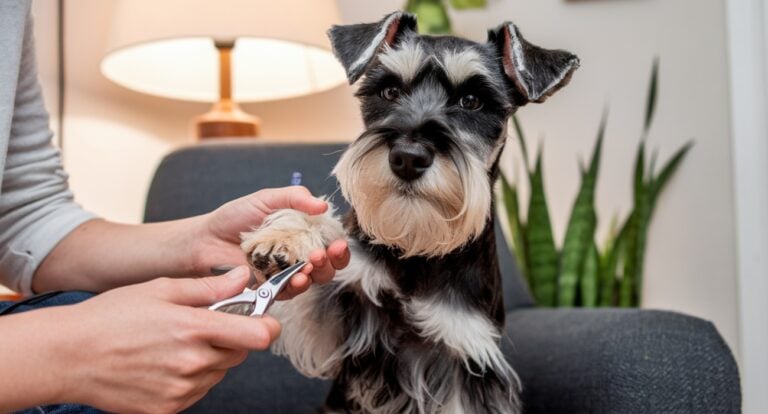
1. Master the Art of Home Grooming
Professional grooming for Schnauzers can easily run $60 to $100 per visit, and these pups need grooming every six to eight weeks. That’s potentially $800+ annually just to maintain that iconic look. Investing in quality clippers (around $150 to $200) pays for itself in just two sessions.
Start with the basics: body clipping, beard trimming, and nail grinding. YouTube is absolutely packed with tutorials specifically for Schnauzer grooming. The key areas to focus on are the body (which gets clipped short), the leg furnishings (kept longer), and that signature beard and eyebrows. Sure, your first attempt might make your pup look like they had a disagreement with a lawnmower, but practice makes perfect.
The home grooming investment pays for itself faster than you can say “hand stripping,” and your Schnauzer won’t care if their cut isn’t Instagram perfect.
Even if you’re not ready to go full DIY, learning to do touch ups between professional appointments can stretch those grooming visits to 10 or 12 weeks instead. That’s cutting your annual grooming costs by nearly half.
2. Buy Dog Food in Bulk (Strategically)
Schnauzers need quality nutrition, but that doesn’t mean you should pay retail prices. Warehouse stores like Costco and Sam’s Club offer premium dog food brands at significantly lower per pound costs. A 35 pound bag might seem expensive upfront, but the per serving cost crushes those boutique pet store prices.
Here’s the smart approach: calculate your Schnauzer’s monthly food consumption, then watch for sales. Many online pet retailers offer 20% to 30% off when you set up automatic deliveries. Stack that discount with a new customer coupon, and suddenly you’re paying wholesaler prices.
Just remember to check expiration dates when buying in bulk. Dog food typically stays fresh for 12 to 18 months unopened, so don’t go overboard and buy a year’s supply unless you’re feeding multiple dogs.
3. Create Your Own Schnauzer Toy Rotation
Walk into any pet store and you’ll drop $50 before you know what happened. Here’s a secret: Schnauzers don’t care about price tags. They care about novelty and engagement. Instead of constantly buying new toys, create a rotation system with what you already have.
Keep three quarters of your dog’s toys in storage and rotate them weekly. That old rope toy that’s been ignored for two months? It’s suddenly exciting again when it reappears. This simple trick makes old toys feel brand new and saves you from constantly purchasing entertainment.
For DIY options, old t-shirts can be braided into tug toys, tennis balls can be stuffed into socks for fetchable fun, and cardboard boxes become puzzle toys. Schnauzers are intelligent dogs who love problem solving, so a treat hidden in a muffin tin covered with tennis balls provides way more entertainment than a $30 puzzle feeder.
4. Join a Pet Insurance Plan Early
This seems counterintuitive on a money saving list, but hear me out. Schnauzers are prone to specific health issues: pancreatitis, bladder stones, and eye problems top the list. One emergency vet visit can cost thousands. Pet insurance for a young, healthy Schnauzer runs about $30 to $50 monthly.
The key word is early. Insurance companies won’t cover pre existing conditions, so enrolling your Schnauzer as a puppy or young adult means you’re covered before problems develop. Compare this to paying out of pocket for a $3,000 surgery or ongoing medication that costs $100 monthly.
Do your homework on coverage options. Some plans cover wellness visits and vaccinations, while others are strictly for accidents and illnesses. Calculate what makes sense for your situation, but don’t skip this entirely. Future you will be grateful when an unexpected diagnosis doesn’t mean choosing between treatment and bankruptcy.
5. Network with Other Schnauzer Owners
Your local Schnauzer community is basically a goldmine of money saving opportunities. Facebook groups, breed specific meetups, and even the park regulars who also have Schnauzers can connect you with resources you didn’t know existed.
These networks often share information about: sales at local pet stores, groomer recommendations with the best prices, bulk buying cooperatives for food and supplies, and even toy swaps where dogs can trade their old toys for “new” ones. Plus, Schnauzers are social creatures who benefit from playdates, which provides free entertainment for both dogs and owners.
| Resource Type | Average Savings | How to Access |
|---|---|---|
| Groomer referrals | $15-25 per visit | Local Facebook groups |
| Bulk food buying co-ops | 20-30% off retail | Breed clubs |
| Toy/supply swaps | $30-50 monthly | Meetup groups |
| Training tips | $100-200 (vs. classes) | Experienced owners |
6. Learn Basic Health Monitoring
Schnauzers can be dramatic about minor issues and stoic about major ones, which leads to unnecessary vet visits OR delayed treatment for serious problems. Learning basic health monitoring helps you distinguish between “needs vet now” and “can wait until regular checkup.”
Invest in a basic pet first aid kit (around $30) and learn to check: gum color (should be pink), capillary refill time (press gum, should return to pink in 1 to 2 seconds), temperature (normal is 101 to 102.5°F), and basic body condition scoring. Many vets offer free wellness workshops where they teach these skills.
This knowledge prevents panic driven emergency vet visits for things like minor scrapes or temporary upset stomachs. It also helps you catch serious issues earlier, which is cheaper to treat and better for your dog. A $30 thermometer and 30 minutes of education can save hundreds in unnecessary vet visits.
7. Make Your Own Dog Treats
Those fancy bakery treats at the pet store? They’re mostly just flour, peanut butter, and marketing. You can make a month’s supply of training treats for about $5 in ingredients. Schnauzers are food motivated, making homemade treats perfect for training without the premium price tag.
Simple recipes work best. Mix whole wheat flour, eggs, peanut butter (xylitol free!), and a bit of water. Roll it out, cut into small squares, and bake at 350°F for about 15 minutes. Store in the freezer and thaw as needed. These are healthier than store bought options and cost pennies per batch.
For training treats specifically, make them tiny. Like, really tiny. Schnauzers respond to the reward itself, not the size. Cutting treats into pea sized pieces means one batch lasts forever and keeps your pup at a healthy weight. Win win.
8. Utilize Preventive Care Clinics
Full service vet clinics charge premium prices for routine services because they’re covering overhead for emergency capabilities and specialized equipment. For basic services like vaccinations, flea/tick prevention, and microchipping, low cost preventive care clinics offer identical products at fraction of the cost.
Many communities have mobile vaccine clinics that visit pet stores or community centers monthly. A wellness exam might cost $75 at your regular vet but only $25 at a preventive clinic. Vaccinations can be half the price or less. Check with local animal shelters and humane societies; many run these clinics as fundraisers.
Preventive care clinics offer the same vaccines and medications as premium vet offices, just without the marble countertops and fancy waiting rooms.
Important note: these clinics are perfect for healthy dogs needing routine care. Keep your relationship with a full service vet for illnesses, emergencies, and ongoing health issues. Think of it like urgent care versus your primary doctor.
9. Buy Generic Medications
When your vet prescribes medication, ask if there’s a generic version available. Just like human medicine, pet medications often have identical generic alternatives at significantly lower prices. Heartgard versus generic ivermectin? Potentially 50% savings. Apoquel versus generic oclacitinib? Substantial difference.
Here’s the insider move: ask your vet for a written prescription, then price shop at regular pharmacies like Costco, Walmart, or online pet pharmacies. Many common dog medications are identical to human versions (different dosages, same drug) and cost way less at human pharmacies.
Always verify with your vet before switching, but don’t be shy about asking these questions. Good vets want your dog to receive necessary medications and understand that cost matters. If your vet is offended by price shopping, that might tell you something about whether they prioritize your pet’s welfare or their profit margin.
10. Invest in Quality Items That Last
This seems contradictory on a savings list, but cheap products that need constant replacement cost more long term than quality items purchased once. For Schnauzers specifically, invest in: a quality harness or collar (they’re strong pullers), a durable leash (they’re determined), stainless steel food and water bowls (plastic harbors bacteria), and a good quality brush.
That $15 nylon collar from the grocery store will fray and break within months. A $35 leather or biothane collar lasts years. Those $5 plastic bowls? They’ll be scratched and gross within weeks. Stainless steel bowls costing $20 last literally forever.
The rule of thumb: if your Schnauzer uses it daily, buy quality. If it’s occasional use or they might outgrow it (like puppy clothes), go budget friendly. This strategic approach to purchases means you’re not constantly replacing broken or worn out items.
11. Groom That Beard at Home
Professional beard maintenance is where groomers really get you. That adorable Schnauzer beard requires regular cleaning and trimming to avoid looking scraggly or developing issues. Learning this one skill alone saves $15 to $25 per grooming visit.
Pick up beard scissors (around $15) and beard cleaner or gentle dog shampoo. After meals, wipe the beard with a damp cloth. Weekly, wash the beard thoroughly and trim any straggly hairs. The goal isn’t perfection; it’s maintaining a neat appearance between professional grooms.
Schnauzer beards collect everything: food, water, dirt, random outdoor debris, and mysterious substances you’d rather not identify. Regular home maintenance prevents the beard from becoming a bacterial playground, reducing skin infections and that notorious “wet dog beard” smell. Your nose and your wallet will thank you.
12. Subscribe and Save on Essentials
Those poop bags, dental chews, and flea prevention medications you buy every single month? Set them to auto delivery through services like Amazon Subscribe & Save or Chewy’s auto ship program. You’ll typically save 5% to 15% per order, and you’ll never run out at inconvenient times.
Track your Schnauzer’s actual consumption rate before committing to delivery frequency. Nothing’s more annoying than having 17 bags of dental chews because you overestimated consumption. Most services let you adjust, skip, or cancel easily.
The psychological benefit matters too. When essentials just arrive automatically, you’re not making impulse purchases at the pet store where you inevitably leave with $80 worth of stuff you didn’t plan to buy. That cute toy display by the register? Not a problem when you’re not physically in the store.
Automation removes the temptation to overbuy while ensuring you never run out of essentials, creating a double savings effect that compounds monthly.
The initial setup takes maybe 20 minutes, but over your Schnauzer’s lifetime, this strategy saves thousands while actually making pet care easier. Sometimes the best money saving hack is simply being organized and consistent.
Final Thought
Smart Schnauzer ownership isn’t about cutting corners or providing less for your pup. It’s about being strategic with resources so you can afford the things that truly matter: quality food, necessary veterinary care, and plenty of time enjoying life with your bearded companion. These 12 hacks create room in your budget for the unexpected while ensuring your Schnauzer lives their best life. Because at the end of the day, those judgmental eyebrows and that magnificent beard are priceless, but funding them doesn’t have to break the bank.