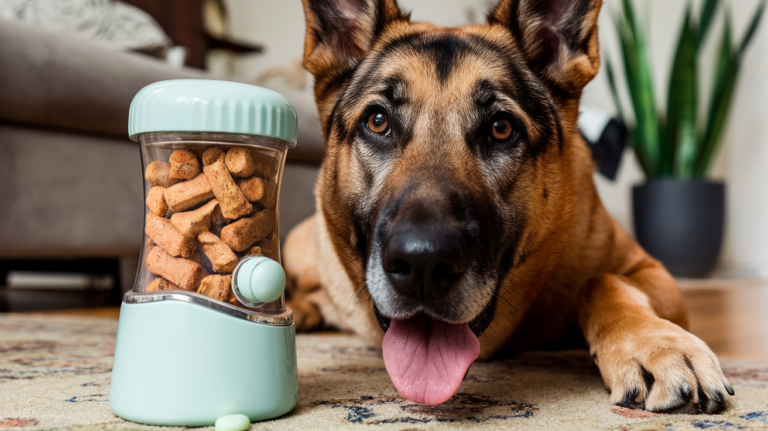
Save big without compromising care. These clever hacks help German Shepherd owners cut costs while keeping dogs happy and healthy.
Nobody warns you about the financial reality of German Shepherd ownership until you’re already hopelessly in love with those puppy eyes. Suddenly you’re standing in the pet store, staring at price tags that make your credit card weep, wondering if dog ownership requires a trust fund.
Spoiler alert: it doesn’t. What it requires is knowing where to invest your money and where to get creative. These twelve hacks have saved me (and countless other GSD owners) thousands of dollars without sacrificing quality. Your dog will be just as healthy, happy, and spoiled, but your bank account might actually survive.
1. Buy Food in Bulk (But Do the Math First)
Everyone tells you to buy in bulk, but here’s what they don’t mention: it only saves money if your dog actually eats it before it goes bad. German Shepherds are big eaters, so bulk buying usually makes sense, but you need to be strategic.
Calculate the cost per pound, not just the total price. Sometimes that massive 50-pound bag isn’t actually cheaper than buying two 30-pound bags on sale. And please, store it properly. Invest in an airtight container because rancid kibble is money down the drain.
The bulk buying sweet spot isn’t about size; it’s about turnover rate. If your GSD can’t finish it within six weeks, you’re wasting money, not saving it.
Consider joining a warehouse club membership if you haven’t already. The annual fee pays for itself after just a few food purchases, especially when you factor in other pet supplies like treats, toys, and cleaning products.
2. Groom at Home
Professional grooming for a German Shepherd can run anywhere from $60 to $100 per session. Multiply that by 6 to 8 times per year, and you’re looking at serious money. The beautiful truth? GSDs don’t actually need professional grooming.
Invest in a quality undercoat rake (around $15 to $25), a good slicker brush, nail clippers, and maybe a Dremel tool for nails. That initial investment of about $50 to $75 will save you hundreds annually. Plus, regular brushing at home means less fur tumbleweeds taking over your house.
YouTube is your free grooming school. There are thousands of tutorials specifically for German Shepherds. You’ll get better at it with practice, and most GSDs actually enjoy the bonding time more than being hauled to a groomer’s table with strange dogs barking nearby.
3. Make Your Own Training Treats
Those tiny training treats at the pet store cost approximately one million dollars per ounce (okay, slight exaggeration, but barely). When you’re training a German Shepherd, you’ll go through treats faster than a teenager goes through data.
Making your own is ridiculously easy and costs a fraction of store-bought options. Bake chicken breast or liver at 200°F for about 2 to 3 hours until dehydrated, then cut into tiny pieces. Boom. You’ve just made several weeks’ worth of high-value treats for under $10.
Pro tip: Freeze them in small portions. Pull out what you need for the week and keep the rest frozen. They’ll last for months, and your GSD won’t know (or care) that you didn’t buy them in a fancy package.
4. DIY Toys Are Your Best Friend
German Shepherds destroy toys with the efficiency of a natural disaster. Spending $20 on a “indestructible” toy only to watch it get annihilated in 48 hours is a special kind of pain.
Old t-shirts can become braided tug toys. Tennis balls in socks create fascinating puzzle toys. A muffin tin with tennis balls hiding treats becomes an enrichment game. Cardboard boxes? Pure entertainment gold. Empty water bottles (supervised, with the cap removed) create crinkly fun that GSDs go crazy for.
The key is rotation and supervision. Keep a variety of homemade toys and rotate them weekly so they stay interesting. And yes, you’ll still need to buy some commercial toys for serious chewers, but supplementing with DIY options cuts your toy budget dramatically.
5. Learn Basic First Aid and Health Checks
I’m not suggesting you become your dog’s doctor, but knowing how to handle minor issues prevents unnecessary emergency vet visits. A $200 emergency appointment for something you could’ve handled at home adds up fast.
Take a pet first aid course (many are free online through organizations like the Red Cross). Learn to check vitals, clean minor wounds, recognize when something is actually an emergency versus when you can wait until regular business hours, and handle basic stomach upsets.
Keep a well-stocked first aid kit at home with essentials like gauze, antiseptic, a thermometer, and hydrogen peroxide (for inducing vomiting only when a vet tells you to). This knowledge gives you confidence and saves money.
| First Aid Item | Approximate Cost | When You’ll Use It |
|---|---|---|
| Digital thermometer | $10 to $15 | Checking for fever |
| Gauze pads and wrap | $8 to $12 | Minor cuts and scrapes |
| Antiseptic solution | $6 to $10 | Cleaning wounds |
| Hydrogen peroxide | $3 to $5 | Emergency vomiting induction (vet-directed only) |
| Tweezers | $5 to $8 | Removing splinters or ticks |
| Total | $32 to $50 | Avoiding multiple $200+ emergency visits |
6. Buy Generic Medications When Possible
Your vet will often prescribe name-brand medications, but many have generic equivalents that are just as effective at a fraction of the cost. Heartworm prevention, flea and tick medication, and common antibiotics often have generic versions.
Ask your vet specifically about generic options. Some vets automatically prescribe generics; others don’t unless you ask. And here’s a secret: many pet medications are identical to human medications. With your vet’s approval, you can fill prescriptions at regular pharmacies, which is often cheaper than buying from the vet’s office.
Always consult your vet before switching medications, but don’t be shy about asking for cost-effective alternatives. Good vets understand budget constraints and want to help you afford proper care.
Check online pharmacies too. Sites like Chewy, 1-800-PetMeds, or even Costco’s pharmacy often have significantly better prices than buying directly from your vet. Just make sure they’re legitimate and require a valid prescription.
7. Invest in Preventive Care
This might seem counterintuitive in a money-saving article, but hear me out. Spending money on prevention saves you thousands on treatment later. Regular vet checkups, dental care, proper nutrition, and maintaining a healthy weight prevent expensive problems down the road.
German Shepherds are prone to hip dysplasia, bloat, and other costly conditions. Quality joint supplements starting early, maintaining proper weight, and regular exercise can delay or prevent orthopedic issues that might otherwise require surgery costing $3,000 to $6,000 per hip.
Think of it like car maintenance. Change the oil regularly, and your engine lasts 200,000 miles. Ignore it, and you’re buying a new engine at 80,000 miles. Your GSD deserves the preventive care approach.
8. Use Pet Insurance Strategically
Pet insurance isn’t for everyone, but for German Shepherd owners, it can be a lifesaver. GSDs are prone to specific health issues that get expensive fast. The key is signing up while they’re young and healthy, before pre-existing conditions become a factor.
Compare policies carefully. Some cover routine care; others only cover emergencies and illnesses. Calculate whether the monthly premium makes sense based on your dog’s age, health, and your financial situation. Sometimes a high-deductible plan makes more sense than comprehensive coverage.
Consider a wellness plan instead of full insurance if your GSD is young and healthy. Many vet offices offer wellness plans that cover routine visits, vaccinations, and preventive care for a monthly fee that’s often less than paying out of pocket.
9. Join Online Communities and Co-ops
German Shepherd owners online are incredibly generous with advice, recommendations, and even supplies. Facebook groups, Reddit communities, and breed-specific forums are goldmines for finding deals, learning about sales, and even organizing group buys for bulk items.
Some areas have pet co-ops where owners pool money to buy food, medications, or supplies in bulk at wholesale prices. Others organize toy swaps or hand-me-down exchanges for items like crates and harnesses that dogs outgrow.
The community knowledge alone is worth it. Someone has already tested every product, tried every hack, and made every mistake. Learn from them instead of repeating expensive errors yourself.
10. Master the Art of Timing Your Purchases
Pet supplies go on sale in predictable patterns. Black Friday, Cyber Monday, and Amazon Prime Day feature massive pet supply discounts. Stock up during these sales instead of buying as you run out.
Sign up for newsletters from your favorite pet supply retailers. They’ll often send exclusive coupons or early sale notifications. Chewy’s autoship program offers discounts, and you can always skip or reschedule shipments if you don’t need them.
Buy seasonal items off-season. Winter coats and boots go on clearance in spring. Cooling mats and summer gear get discounted in fall. If you know your GSD will need it eventually, buy it when it’s cheap, not when you desperately need it at full price.
11. Teach Your GSD to Be Gentle With Belongings
This hack requires an upfront time investment but pays dividends forever. Teaching your German Shepherd to be gentle with toys, beds, and household items dramatically reduces replacement costs.
Start with “gentle” commands during play. Reward soft mouths and calm play. Provide appropriate outlets for their energy and chewing instincts (like those DIY toys from earlier). A properly exercised and mentally stimulated GSD destroys far less stuff out of boredom.
A tired German Shepherd is a well-behaved German Shepherd, and a well-behaved German Shepherd is a money-saving German Shepherd. Math checks out.
Redirect inappropriate chewing immediately and consistently. The time you spend training in the first two years saves you from replacing furniture, shoes, and baseboards for the next 10 to 12 years.
12. Build Relationships With Local Businesses
Your local pet stores, groomers, trainers, and even vets often offer loyalty programs, referral discounts, or special deals for regular customers. Building genuine relationships with these businesses can lead to unexpected perks.
That local feed store might give you a heads up when they’re getting a shipment of your preferred food brand at a discount. Your vet might offer package deals on services or wave fees for loyal clients in certain situations. The trainer you’ve used might give you a deal on a refresher course.
Support small businesses when possible, and they’ll often support you back. Plus, these relationships mean you have trusted experts to call when you need advice, which prevents costly mistakes and bad purchases.