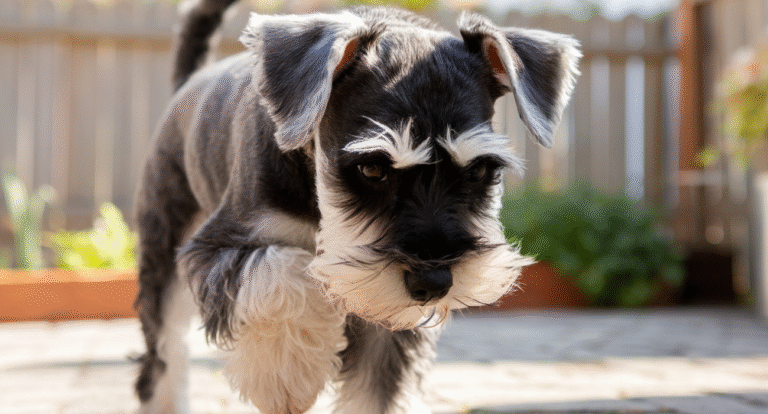
Not all human foods are safe. Protect your Schnauzer by knowing which treats could be dangerous.
Schnauzers are notorious beggars. Those bushy eyebrows and soulful eyes will guilt anyone into sharing their dinner. But here’s the plot twist: your Schnauzer’s digestive tract didn’t get the memo about human cuisine, and some of our favorite foods can make them seriously sick.
Schnauzers bodies react to certain foods in ways that range from uncomfortable to catastrophic. We’re talking about common kitchen staples that sit innocently in your pantry but could send your pup to the emergency vet. Knowledge is power (and potentially a money saver on vet bills), so let’s explore which foods deserve a permanent spot on your Schnauzer’s “absolutely not” list.
1. Chocolate (All Types)
This one tops the list for good reason. Chocolate contains theobromine and caffeine, two compounds that Schnauzers cannot metabolize effectively. While you might enjoy that post-dinner chocolate square, your Schnauzer’s system treats it like poison. The darker the chocolate, the more concentrated these dangerous compounds become.
Dark chocolate and baking chocolate pose the greatest threat, containing significantly higher levels of theobromine than milk chocolate. Even small amounts can cause vomiting, diarrhea, rapid breathing, increased heart rate, and seizures. In severe cases, chocolate toxicity can be fatal. The size of your Schnauzer matters here too; Miniature Schnauzers face greater risk from smaller quantities than their Giant Schnauzer cousins.
Never assume a small amount is safe. Chocolate toxicity is cumulative, and what seems like a harmless lick today could combine with yesterday’s stolen morsel to create a medical emergency tomorrow.
If your Schnauzer does snatch some chocolate, contact your veterinarian immediately. Time is critical with chocolate poisoning, and inducing vomiting within the first two hours can make all the difference.
2. Grapes and Raisins
Here’s where things get mysterious and scary. Scientists still don’t fully understand why grapes and raisins are toxic to dogs, but the evidence is undeniable: they can cause sudden kidney failure in Schnauzers. Just a handful of grapes or a small box of raisins can trigger a life-threatening reaction.
The terrifying part? There’s no established toxic dose, and sensitivity varies wildly between individual dogs. One Schnauzer might eat several grapes and show no symptoms, while another could develop kidney failure from just two or three. Symptoms include vomiting (often within 12 hours), lethargy, diarrhea, reduced appetite, and decreased urine production.
Raisins are even more concentrated and therefore potentially more dangerous than fresh grapes. Watch out for foods containing these ingredients too: trail mix, raisin bread, granola bars, and fruit cakes all pose risks. Even grape juice and wine should be kept far away from your curious Schnauzer.
3. Onions and Garlic
These aromatic kitchen staples belong to the Allium family, and they’re particularly problematic for Schnauzers. Both onions and garlic contain compounds called thiosulphates that damage red blood cells in dogs, leading to a condition called hemolytic anemia. This means your Schnauzer’s blood literally becomes less capable of carrying oxygen throughout their body.
The danger here is sneaky because symptoms might not appear immediately. It can take several days after ingestion for signs to show up: weakness, lethargy, pale gums, reddish urine, and rapid breathing. Garlic is roughly five times more potent than onions, so even smaller amounts can cause problems.
| Allium Food | Relative Toxicity | Common Sources |
|---|---|---|
| Garlic | Highest | Garlic powder, seasoned meats, pasta sauces |
| Onions | High | Onion rings, soups, stews, baby food |
| Chives | Moderate | Garnishes, cream cheese, baked potatoes |
| Leeks | Moderate | Soups, quiches, stir fries |
Watch out for foods seasoned with garlic or onion powder. Many prepared foods, including baby food (which some owners use for sick dogs), contain these ingredients. Always check labels carefully.
4. Xylitol (Artificial Sweetener)
Xylitol deserves its own spotlight because it’s becoming increasingly common in human foods, and it’s incredibly dangerous for Schnauzers. This artificial sweetener appears in sugar-free gum, candies, baked goods, peanut butter, toothpaste, and even some medications. In dogs, xylitol causes a rapid insulin release that leads to severe hypoglycemia (low blood sugar).
Symptoms can appear within 15 to 30 minutes of ingestion: vomiting, weakness, loss of coordination, seizures, and collapse. In higher doses, xylitol can cause liver failure. The scary part? A single piece of xylitol-sweetened gum can be enough to poison a Miniature Schnauzer.
Always check peanut butter labels before sharing or using it to give medications. Many brands now include xylitol, turning what was once a safe treat into a hazard. If your Schnauzer consumes anything containing xylitol, this is a drop-everything emergency. Get to the vet immediately; every minute counts.
5. Avocados
While avocado toast might be your Sunday morning ritual, avocados contain a toxin called persin that can cause problems for Schnauzers. The concentration of persin varies among avocado varieties, with Guatemalan types containing the highest levels. Persin is found throughout the plant: the leaves, bark, skin, and pit.
In Schnauzers, avocado ingestion typically causes vomiting and diarrhea. While not usually fatal, it’s definitely unpleasant for your pup and concerning for you. The pit presents an additional danger as a choking hazard or intestinal blockage, which could require surgical intervention.
Some commercial dog foods actually contain avocado, but these use specially processed forms where persin has been removed. Don’t let that confuse you; fresh avocados from your kitchen are still off limits.
6. Macadamia Nuts
These buttery, expensive nuts are another mystery toxin. Researchers haven’t identified the exact compound that makes macadamia nuts toxic to dogs, but they definitely cause problems. Schnauzers who consume macadamia nuts can develop weakness, depression, vomiting, tremors, and hyperthermia (elevated body temperature).
The good news is that macadamia nut toxicity is rarely fatal. The bad news is that your Schnauzer will feel absolutely miserable for 12 to 48 hours. Symptoms typically appear within 12 hours of ingestion, with hind leg weakness being particularly characteristic. Your normally energetic Schnauzer might suddenly be unable to stand or walk properly.
Macadamia nuts are often found in cookies, trail mix, and specialty baked goods. Holiday gifts and party platters containing these nuts should be kept well out of paw’s reach, especially since curious Schnauzers are notorious counter surfers.
Treatment is generally supportive, focusing on keeping your Schnauzer comfortable while the toxin works its way out of their system.
7. Alcohol
It might seem obvious that alcohol is dangerous for dogs, but accidental exposures happen more often than you’d think. A Schnauzer lapping up a spilled drink, eating unbaked bread dough containing yeast (which produces alcohol during fermentation), or consuming rum-soaked fruitcake can all lead to alcohol poisoning.
Dogs are far more sensitive to alcohol than humans. Even small amounts can cause significant intoxication, with symptoms including vomiting, disorientation, high body temperature, breathing problems, tremors, and in severe cases, coma or death. Your Schnauzer’s small body size means alcohol affects them much more quickly and intensely than it affects you.
Unbaked yeast dough presents a double danger: the alcohol produced during fermentation plus the physical expansion of dough in the warm, moist environment of your dog’s stomach. This expansion can cause bloat, a life-threatening condition where the stomach twists on itself.
8. Fatty Foods and Table Scraps
Schnauzers are particularly prone to a condition called pancreatitis, which makes fatty foods especially dangerous for this breed. Pancreatitis is inflammation of the pancreas, and it can be triggered by sudden consumption of high-fat foods. Think bacon, sausage, buttery croissants, greasy burgers, fried chicken, and fatty meat trimmings.
Symptoms of pancreatitis include severe vomiting, diarrhea, loss of appetite, abdominal pain (your Schnauzer might adopt a “prayer position” with front end down and rear end up), fever, and lethargy. This condition requires immediate veterinary care and can become chronic if your Schnauzer experiences repeated episodes.
| Risk Level | Food Examples |
|---|---|
| Very High Risk | Bacon, pork sausage, duck fat |
| High Risk | Rib trimmings, pepperoni, salami |
| Moderate Risk | Cheddar cheese, ground beef |
| Lower Risk (still limit) | Chicken with skin, salmon |
Miniature Schnauzers appear to have a genetic predisposition to developing pancreatitis and also tend toward high cholesterol and triglycerides. This breed-specific vulnerability means being extra cautious about fatty treats and table scraps.
9. Raw Yeast Dough
Beyond the alcohol concern mentioned earlier, raw bread dough poses unique dangers. When your Schnauzer consumes unbaked dough, their stomach provides the perfect warm, moist environment for the yeast to continue fermenting and the dough to expand. This expansion can cause several serious problems.
First, the expanding dough can lead to gastric dilatation and volvulus (GDV), commonly called bloat. This is a life-threatening emergency where the stomach fills with gas and potentially twists, cutting off blood flow. Large and giant breed dogs face higher risk for GDV, but any Schnauzer can be affected.
Second, the fermenting yeast produces ethanol (alcohol), which is absorbed into your dog’s bloodstream, causing alcohol poisoning. Symptoms include distended abdomen, vomiting, disorientation, weakness, and cardiovascular collapse. If you suspect your Schnauzer has eaten raw dough, this requires immediate veterinary attention. Don’t wait to see if symptoms develop.
10. Coffee and Caffeine
Similar to chocolate, coffee and other caffeinated products contain methylxanthines that are toxic to Schnauzers. Coffee grounds, beans, tea bags, energy drinks, and caffeine pills all pose serious risks. The concentrated caffeine in products like energy shots makes them particularly dangerous.
Caffeine stimulates a Schnauzer’s nervous system and heart, causing restlessness, rapid breathing, heart palpitations, muscle tremors, and seizures. In severe cases, caffeine toxicity can be fatal. Your Miniature Schnauzer could experience serious symptoms from consuming just one or two caffeine tablets.
Used coffee grounds deserve special mention because curious dogs often find them appealing in trash cans or compost bins. The concentrated caffeine content combined with other potentially harmful compounds in coffee makes this a double threat. Keep your Schnauzer away from coffee products in all forms, including coffee-flavored ice cream, chocolate-covered espresso beans, and coffee liqueurs.
Prevention is Your Best Strategy
The good news is that preventing food toxicity is straightforward: keep dangerous foods out of reach and educate everyone in your household about what your Schnauzer cannot have. Make sure guests know not to share food with your pup, no matter how persuasive those eyebrows become. Consider keeping a list of toxic foods on your refrigerator as a quick reference.
Create a designated spot for your Schnauzer during meal times, whether that’s in another room or on their bed with an appropriate dog chew. This helps break the begging habit and reduces temptation. Invest in a secure trash can that your clever Schnauzer cannot raid, and be mindful when preparing meals; one dropped onion slice or garlic clove could be snatched up before you can blink.
If your Schnauzer does consume something on this list, don’t panic but do act quickly. Contact your veterinarian or an emergency animal hospital immediately. Have information ready: what they ate, how much, and when. In many cases, early intervention makes all the difference between a minor scare and a major medical crisis. Keep your vet’s number and the ASPCA Animal Poison Control Center number (888-426-4435) easily accessible.
Your Schnauzer depends on you to make safe choices for them. Their begging is persuasive, their cuteness is overwhelming, but your knowledge keeps them healthy. Stick to dog-appropriate treats and foods, and you’ll both enjoy many more years of companionship without scary trips to the emergency vet. Those expressive eyebrows might guilt you now, but your Schnauzer will thank you with years of energetic tail wags and devoted companionship.