Hate being alone doesn’t have to mean destruction. These quick fixes help calm anxiety and keep your home intact.
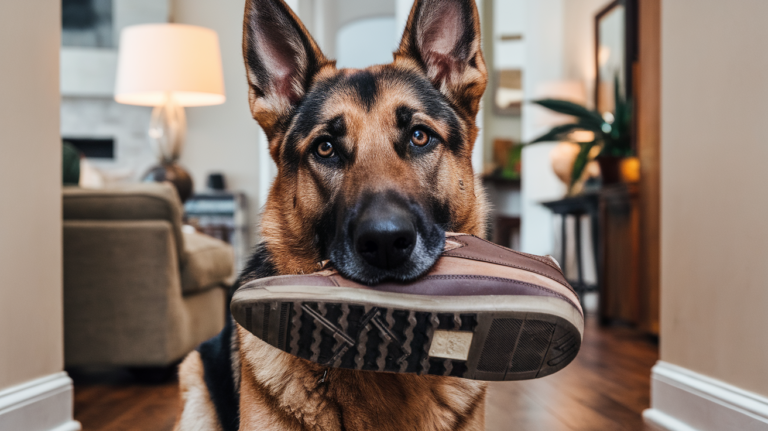
Your German Shepherd follows you to the bathroom, sleeps pressed against your legs, and loses their absolute mind when you walk to the mailbox. While their devotion is adorable, it becomes significantly less cute when your neighbors complain about three hours of nonstop howling every workday.
Separation anxiety in GSDs is super common, but it’s also super fixable. These dogs thrive on structure, mental stimulation, and clear expectations. The strategies below aren’t just quick Band-Aid solutions; they’re genuine fixes that address why your shepherd freaks out when left alone. Let’s get started.
1. Create an Irresistible “Safe Space”
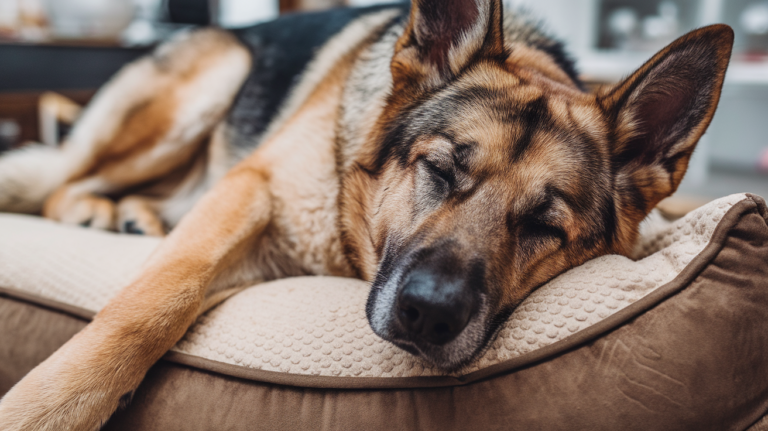
Your German Shepherd needs a designated area that feels like their territory, not a prison. Think of it as designing a cozy studio apartment specifically for your pup. This spot should include their bed, favorite toys, and items that smell like you (an old t-shirt works wonders).
The key is making this space so appealing that your GSD actually wants to hang out there. Start by feeding them meals in this area and offering high-value treats exclusively in this zone. Over time, their brain will associate this spot with positive experiences rather than abandonment.
Pro tip: Never use this space for punishment. It should be Switzerland: neutral, safe, and completely stress-free.
2. Exercise Them Into Oblivion (In a Good Way)
A tired German Shepherd is a well-behaved German Shepherd. These dogs were bred to work all day herding sheep across mountains, so a quick fifteen-minute walk around the block isn’t going to cut it. Before you leave, aim for at least 45 minutes of genuine physical activity.
But here’s what most people miss: mental exercise is equally crucial. A twenty-minute training session or puzzle toy can exhaust your GSD just as much as a run. Combine physical and mental stimulation before departures, and you’ll have a dog who’s ready to nap, not destroy your belongings.
GSDs need both physical exhaustion and mental satisfaction. Give them a job to do, even if that job is simply “rest while I’m gone.”
3. Desensitize Your Departure Cues
Your dog knows exactly what’s coming. You put on shoes, grab your keys, check your phone, and suddenly they’re in full panic mode. These seemingly innocent actions have become triggers that scream “ABANDONMENT INCOMING!”
Combat this by randomizing these cues throughout the day without actually leaving. Put on your shoes and sit on the couch. Grab your keys and make lunch. Pick up your purse and go water plants. When these actions lose their predictive power, your GSD will stop spiraling the moment you reach for your jacket.
Start small: jingle your keys while watching TV. Gradually increase the intensity until you can go through your entire departure routine without your dog batting an eye.
4. Practice Micro-Absences
You can’t go from zero to leaving for eight hours without building up your dog’s tolerance. Think of alone time like lifting weights: you start with manageable amounts and progressively increase the difficulty.
Begin by stepping outside for literally thirty seconds. Come back in, no fanfare, no excited greetings. Just casual re-entry. Gradually extend these absences: one minute, three minutes, five minutes, ten minutes. This teaches your GSD that departures are temporary and completely normal.
Here’s the crucial part: keep your comings and goings boring. No dramatic goodbyes or enthusiastic hellos. You’re teaching your dog that your absence isn’t an emotional event worth freaking out over.
5. Invest in Puzzle Toys and Food Dispensers
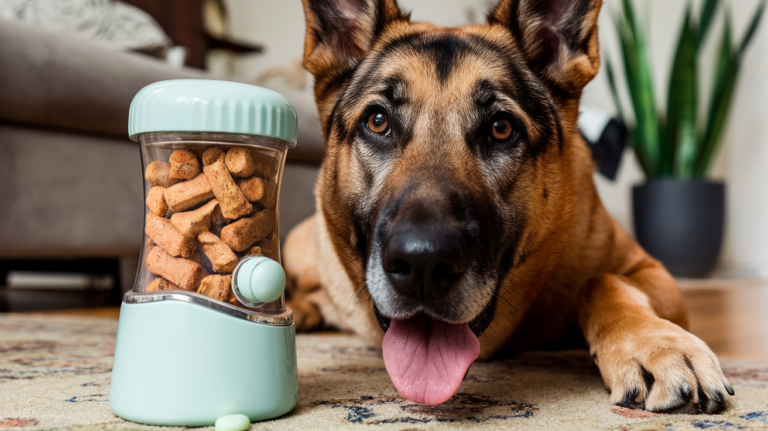
German Shepherds are problem solvers who need mental challenges. Interactive toys that dispense treats or meals can keep your dog occupied for extended periods. A frozen Kong stuffed with peanut butter, kibble, and banana can provide 30+ minutes of focused entertainment.
The timing matters enormously. Give your GSD these special toys only when you leave. This creates a positive association with your departure: “Oh good, the human is leaving, which means I get my awesome treat-dispensing toy!”
Rotate different toys to prevent boredom. What’s exciting on Monday loses its appeal by Friday if it’s available constantly.
| Toy Type | Duration | Best For |
|---|---|---|
| Frozen Kong | 30-45 minutes | Extended absences |
| Snuffle Mat | 15-20 minutes | Scent work lovers |
| Puzzle Feeder | 20-30 minutes | Mealtime extension |
| Treat Ball | 10-15 minutes | Active dogs |
6. Consider Calming Supplements or Pheromones
Sometimes dogs need a little pharmaceutical assistance, and there’s absolutely zero shame in that. Products containing L-theanine, melatonin, or CBD can take the edge off your GSD’s anxiety without sedating them completely.
Adaptil diffusers release synthetic versions of calming pheromones that mother dogs produce. Many owners report noticeable improvements in their dog’s stress levels within a week or two. These aren’t magic bullets, but they can reduce anxiety enough that training becomes more effective.
Always consult your vet before introducing supplements. What works for one dog might not suit another, and proper dosing matters significantly.
7. Leave Background Noise
Silence can be unnerving for dogs used to the constant soundtrack of human activity. Leaving on a TV, radio, or specifically designed dog music can provide comforting background noise that masks outside sounds that might trigger barking or anxiety.
There’s actually research backing this up: classical music and reggae have been shown to reduce stress indicators in dogs. Services like “Through a Dog’s Ear” offer scientifically designed playlists engineered specifically for canine relaxation.
Some owners swear by leaving nature documentaries playing. The combination of soothing narration and animal sounds apparently works wonders for certain GSDs.
Your home doesn’t need to be silent as a tomb. Dogs often find constant low-level noise more comforting than complete quiet.
8. Install a Pet Camera (and Actually Use It)
Modern pet cameras do way more than just let you spy on your furry friend. Many models allow two-way communication, treat dispensing, and even interactive games you can control from your phone.
Knowing exactly what your GSD does when alone is invaluable information. Are they anxious the entire time, or do they relax after twenty minutes? Do specific times of day trigger more stress? This data allows you to adjust your strategy effectively.
Plus, being able to check in and toss them a treat remotely can reduce your anxiety about leaving them, which dogs absolutely pick up on.
9. Hire a Dog Walker or Enroll in Doggy Daycare
Sometimes the solution isn’t teaching your dog to be alone for eight hours; it’s reducing how long they’re actually alone. A midday visit from a dog walker breaks up the day into manageable chunks that are much less stressful.
For highly social GSDs, doggy daycare can be absolute heaven. They get exercise, mental stimulation, and socialization all in one package. You come home to an exhausted, happy dog instead of one who’s been stewing in anxiety all day.
Cost concerns? Consider sharing a dog walker with neighbors or alternating daycare days rather than committing to five days weekly.
10. Train “Place” or “Settle” Commands
Teaching your GSD to go to a specific spot and remain calm is incredibly useful. The “place” command means “go to your bed and stay there until released.” This gives your dog a clear job to do when you’re leaving instead of letting anxiety fill the void.
Start by luring your dog to their bed with treats and rewarding them for staying there briefly. Gradually increase duration and add your departure cues. Eventually, telling your GSD to go to “place” before you leave becomes part of the routine, giving them structure and purpose.
This works because German Shepherds are working dogs who crave direction. When they understand what’s expected, they’re far less likely to spiral into anxious behaviors.
Give your GSD clear instructions rather than leaving them to figure out what to do with their anxiety. Structure reduces stress.
Understanding the Root Cause
Before implementing these fixes, it helps to understand why your German Shepherd hates being alone. These dogs were selectively bred for centuries to work closely alongside humans. Their entire genetic makeup screams “stay with the pack!” Separation anxiety isn’t a character flaw; it’s a feature that’s been hardwired into the breed.
Additionally, many GSDs are naturally vigilant and protective. When you’re gone, they may feel responsible for guarding the home, which creates constant stress. They’re literally on duty with no backup, listening to every car door, footstep, and rustling leaf.
The bottom line? Your shepherd’s clinginess comes from love, loyalty, and instinct, not from spite or stubbornness.
Combining Strategies for Maximum Effect
Here’s the honest truth: no single fix will magically transform your anxious GSD overnight. The real power comes from combining multiple strategies into a comprehensive approach. Maybe you start with thirty minutes of exercise, practice departure desensitization, offer a frozen Kong, turn on calming music, and use an Adaptil diffuser all at once.
Think of it like this: each strategy removes 10% of your dog’s anxiety. Individually, that’s not enough to make a noticeable difference. But stack five strategies together, and suddenly you’ve cut their stress in half. That’s when real behavioral change becomes possible.
Be patient with the process. Some dogs respond within days; others need weeks or months of consistent work. Your German Shepherd didn’t develop separation anxiety overnight, and they won’t overcome it instantly either.
When to Seek Professional Help
Sometimes DIY solutions aren’t enough, and that’s completely okay. If your GSD is injuring themselves, destroying expensive property, or showing no improvement after weeks of consistent training, it’s time to call in reinforcements.
A certified animal behaviorist or veterinary behaviorist can assess your specific situation and create a customized treatment plan. In severe cases, anti-anxiety medications prescribed by your vet might be necessary to reduce stress enough that training can actually work.
Don’t view professional help as failure. You wouldn’t try to treat your own broken leg; serious behavioral issues deserve expert intervention too.
The journey from “my German Shepherd destroys the house when I leave” to “my GSD naps peacefully alone” isn’t always quick or linear. There will be setbacks, frustrating days, and moments when you wonder if anything’s working. But stick with it. These loyal, intelligent dogs are absolutely capable of learning to feel safe and comfortable on their own. Your patience and consistency will pay off with a calmer, happier shepherd and a home that remains intact while you’re at work.