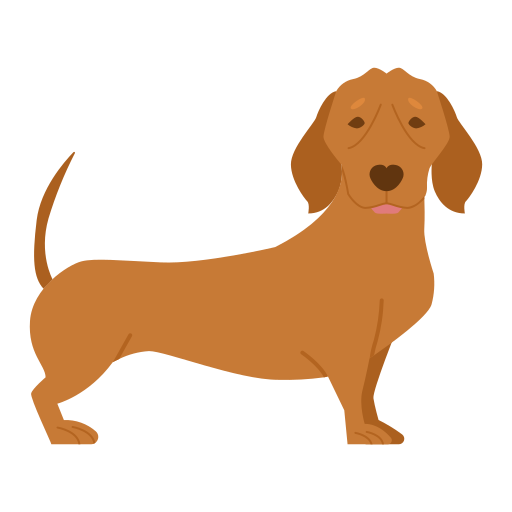
 Dachshund
 That click-click-click across the kitchen floor at 6:15 every morning is basically a doorbell you never installed. You know the tempo. You know which nail catches on the vent cover.
So when the rhythm shifts, when it slows or goes quiet or drags on one side, you notice before you consciously notice.
Dachshunds are absolute champions at hiding discomfort. It’s baked into the breed. These dogs were bred to crawl into a badger den alone and pick a fight, which means "toughing it out" is less a personality trait and more a job requirement.
The problem is that a stoic dog is a dog who won’t tell you when something hurts.
Here are the small, easy to dismiss signals that something is off, long before it becomes an emergency vet visit at 2 a.m.
1. The Nail Click Changes Tempo
Sound is your earliest diagnostic tool and it costs nothing.
A healthy doxie trots with a fast, even four beat pattern. Pain in a shoulder, hip, or spine often shows up first as a hesitation, a beat that lands softer or later than the rest.
You may not see a limp at all. Limping is a late sign. The audio tells you first, especially on hardwood or tile.
Stand in the next room sometime and just listen while they walk toward you. It’s a weirdly effective habit.
2. The Burrowing Stops (or Doubles)
Every dachshund owner knows the blanket ritual. The digging, the circling, the full body submarine dive under the throw.
When a dog who burrows religiously suddenly can’t be bothered, pay attention. Burrowing takes core strength and spinal flexion, and a sore back makes it genuinely uncomfortable.
The opposite matters too. Obsessive burrowing, especially in dark corners or under furniture they normally ignore, is classic "I don’t feel good and I want to be hidden" behavior.
Look for the Half Commitment
Watch for the dog who starts to dig at the blanket, then stops halfway and just lies down on top of it.
That abandoned ritual is a tiny flag. They wanted to. Something made it not worth it.
3. A Brand New Opinion About Furniture
Your dog has launched off the same couch nine thousand times without a second thought. Now there’s a pause at the base of it.
That pause is data.
Hesitation before jumping up or down, a little stutter step, or standing at the bottom of the stairs waiting to be carried are all early spinal warnings. Dachshunds have a genetic predisposition to intervertebral disc disease, and a huge percentage of them will deal with some version of it.
A dog who suddenly asks for help doing something they used to do easily is not being lazy. They are being honest, and honesty from a dachshund is rare enough that it deserves your full attention.
Test It Gently
Set a treat on the couch and walk away. Don’t hover.
If they normally hop up without a thought and today they circle, whine, or look at you for a boost, note the date. Note it in your phone, not in your head.
4. Eating Slower, Not Eating Less
Most owners watch the amount of food. Watch the speed instead.
Dachshunds tend to eat like the bowl is about to be repossessed. A dog who suddenly grazes, or who eats but leaves the last few kibbles, is worth a closer look.
Dental pain, nausea, and low grade fever all show up as slower eating well before they show up as refused meals.
The Head Tilt Tell
Chewing on one side, dropping food, or tilting the head sideways while eating usually points at teeth or gums.
Small breeds get dental disease early and often. A rotten molar hurts constantly, and your dog will simply never mention it.
5. The Eyes Go Flat
Hard to describe, impossible to miss once you know it.
A well dachshund has bright, wet, slightly ridiculous eyes that track you around the room like you owe them money. A sick one has eyes that are dull, half lidded, or aimed at nothing in particular.
Squinting on one side is its own alarm bell and often means eye pain or a corneal scratch. Don’t wait on that one.
6. The Back Ripple
Run your hand slowly down the spine from shoulders to tail, using light pressure only.
You’re feeling for a flinch, a muscle twitch, a skin ripple, or a sudden turn of the head toward your hand. Some dogs will yelp, but plenty won’t say a word.
A tense, rigid, roached back where there used to be a relaxed one is significant. So is a dog who tucks the tail or hunches slightly while standing still.
Spinal trouble in this breed rarely announces itself with a scream. It whispers, usually through posture, for days or weeks before anything dramatic happens.
If you feel a consistent reaction in one spot, stop the exam. Crate rest and a phone call, in that order.
7. New Sleeping Real Estate
Dogs are creatures of location habit. Yours has a spot, and that spot has been the spot for years.
Sudden relocation matters. A dog seeking out cold tile may be running a fever. A dog who abandons the dog bed for a hard floor may be finding a soft surface painful to get out of.
Also watch for a dog who stops sleeping in your bed and starts sleeping alone in another room. That’s not moodiness. That’s often withdrawal, and withdrawal is one of the oldest signs of illness in any animal.
8. The Bark Changes Character
Dachshunds are famously loud for their size, and each one has a signature repertoire.
A quieter dog is a suspicious dog.
Listen for a bark that sounds hoarse, shortened, or cut off mid sound. Barking uses the chest and abdomen, and a dog with pain in either will unconsciously edit the volume down.
Sudden Grumpiness Counts
Snapping at a kid who has pestered them harmlessly for six years, or growling when someone reaches for their midsection, is a pain response until proven otherwise.
Behavior changes in a previously easygoing dog are medical until a vet says they aren’t.
9. The Water Bowl Rats Them Out
Nobody wants to measure their dog’s water. Do it anyway for a few days if something feels off.
Fill the bowl to a marked line each morning and note roughly how much is gone by evening.
A noticeable jump in drinking can point to kidney issues, diabetes, or hormonal conditions, and it usually starts long before you’d catch it any other way. A sharp drop can signal nausea or mouth pain.
10. Clingy or Distant, Never Neutral
Sick dachshunds go one of two directions, and both of them are a departure from normal.
Some turn into velcro. They follow you into the bathroom, press against your leg, and refuse to settle unless they’re touching you.
Others do the opposite and quietly remove themselves. No greeting at the door. No jumping at the leash. Just a dog in the other room, being unusually polite about existing.
The exact direction doesn’t matter nearly as much as the change itself. Any sharp swing away from your dog’s baseline personality is information worth acting on.
Trust the Weird Feeling
You have thousands of hours of observation on this animal. No vet in the world has that.
When something feels off and you can’t articulate why, that hunch is usually built on a dozen tiny details your brain collected without telling you.
Building a Two Week Baseline
Grab your phone and start a running note. Nothing fancy.
Every day, jot the date and four things: appetite speed, energy level, any hesitation on stairs or furniture, and stool quality. It takes fifteen seconds.
Do it for two weeks while your dog is healthy, and you’ll have a real baseline instead of a vague memory. When you eventually sit in an exam room and get asked "how long has this been going on," you’ll have an actual answer instead of a guess.
Add a short video whenever your dog is walking normally, too. Gait changes are notoriously hard to describe out loud and incredibly easy to demonstrate with ten seconds of footage.