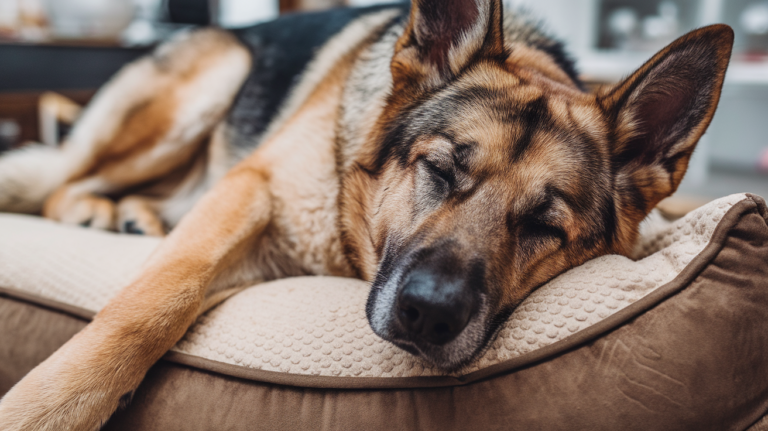
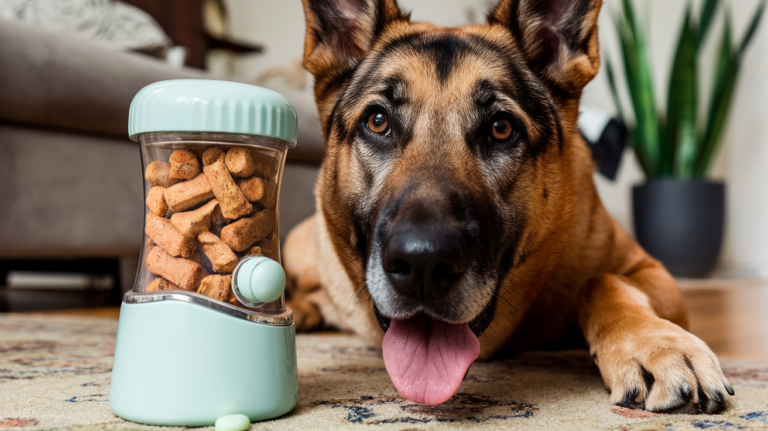
Food boredom shows signs. Learn how to spot when your German Shepherd needs a diet change before appetite and health suffer.
Your German Shepherd used to attack their food bowl like it was the last meal on Earth. Now? They’re giving you those sad puppy eyes and walking away like you’ve just served them yesterday’s leftovers (even though you haven’t). Sound familiar? You might have a picky eater on your hands.
The good news is that German Shepherds aren’t usually drama queens about their kibble without reason. These intelligent, energetic dogs need proper nutrition to fuel their active lifestyles, and when they start turning their noses up at mealtime, they’re trying to tell you something. Let’s decode those signals together.
1. The Sniff and Walk Away Routine
You know the scene all too well. You fill the bowl, set it down, and your German Shepherd approaches with what seems like interest. They give it a good sniff, maybe even a tentative lick, and then… they just walk away. No dramatic protests, no begging for alternatives. Just pure, silent rejection.
This is often the first sign that something’s changed in your dog’s relationship with their food. German Shepherds have an incredible sense of smell (about 100,000 times more sensitive than ours), so when they’re not excited by what they’re detecting, they’re telling you the food has lost its appeal. If this happens occasionally, it might just be an off day. But when it becomes a pattern? Time to pay attention.
2. Eating Only When Desperately Hungry
Does your German Shepherd now wait until they’re absolutely starving before reluctantly approaching their food bowl? This is different from their usual eager mealtime behavior. A dog who truly enjoys their food will eat at regular times without hesitation.
When your GSD starts skipping meals or waiting many hours past their usual feeding time, they’re essentially saying, “I’ll eat this if I have to, but I’m not happy about it.” This survival eating isn’t sustainable for their health or happiness. Your dog shouldn’t have to reach starvation mode to consume their daily nutrition.
3. Picking Out Only the “Good” Pieces
If you’ve noticed your German Shepherd has become a food archaeologist, carefully selecting certain pieces while leaving others behind, you’ve got a selective eater on your hands. This behavior suggests they’re searching for something more palatable within their current food.
Watch what they’re avoiding versus what they’re eating. Are they leaving the kibble but eating any treats mixed in? Are they choosing only the softer pieces? This selective eating pattern indicates clear food preference shifts.
| Eating Behavior | What It Might Mean | Action to Consider |
|---|---|---|
| Eating treats but not kibble | Kibble has lost appeal | Try different protein source or formula |
| Eating wet food but not dry | Texture preference change | Gradually transition to preferred texture |
| Eating around vegetables/grains | Ingredient aversion | Switch to different recipe base |
| Eating only when hand fed | Seeking engagement, not hunger | Rule out behavioral issues first |
4. Increased Begging During Your Meals
Suddenly, your German Shepherd has become intensely interested in whatever you’re eating. They sit politely (or not so politely) beside your dinner table, those big brown eyes following every fork from plate to mouth. Meanwhile, their own full bowl sits untouched in the corner.
This shift in focus tells you something important: they know better tasting food exists, and they’d much prefer that to what’s in their bowl. While you shouldn’t cave to the begging, you should recognize it as a legitimate sign of food dissatisfaction.
5. Taking Food Out of the Bowl to Eat Elsewhere
Some German Shepherds develop an odd habit when they’re losing interest in their food. They’ll take a mouthful from their bowl, carry it to another room (often near you), drop it on the floor, and eat it there. Then they’ll repeat the process.
This behavior often signals that while they’re willing to eat the food, they need additional motivation or comfort to do so. Your presence might make the meal more appealing, or they’re creating a “game” around eating to make it more interesting. When mealtime becomes a chore your dog needs to gamify, the food itself has likely become boring.
6. Dramatic Decrease in Eating Speed
Remember when your German Shepherd inhaled their food in approximately 30 seconds? Now they’re taking 10, 15, even 20 minutes to finish a meal they once devoured. This dramatic slowdown indicates waning enthusiasm.
A healthy German Shepherd who enjoys their food will eat at a consistent, relatively quick pace. When that pace slows significantly without any dental issues or health problems, food boredom is a likely culprit. They’re eating out of obligation, not enjoyment.
7. Looking at You Expectantly Before Eating
Your GSD stands at their bowl, looks at the food, looks at you, looks back at the food, and looks at you again. They’re clearly waiting for something. Maybe they’re hoping you’ll add something tasty? Perhaps they’re asking permission to skip this meal?
This hesitant behavior combined with the searching looks suggests they’re hoping for intervention. They want you to make their meal more appealing because they’ve lost interest in the current offering.
Your German Shepherd’s mealtime should be something they anticipate with joy, not approach with reluctance and hopeful glances for something better.
8. Hiding or Burying Food
If your German Shepherd has started trying to “bury” their food (pushing imaginary dirt over their bowl with their nose) or actually hiding portions around the house, this is canine communication 101. They’re literally trying to save it for later because it’s not appealing enough to eat now.
This ancestral behavior of saving food for scarce times kicks in when dogs don’t find their current meal satisfying. It’s their way of saying, “I’ll keep this as backup, but I’m hoping something better comes along.”
9. Changes in Overall Enthusiasm and Energy
Food boredom doesn’t just affect mealtime. When German Shepherds aren’t getting the nutrition and enjoyment they need from their diet, you might notice broader changes. They may seem less energetic, less playful, or generally less enthusiastic about daily activities.
These working dogs need quality fuel to maintain their naturally high energy levels. If their food isn’t motivating them to eat properly, they’re not getting consistent nutrition, which can impact their entire demeanor. Don’t dismiss subtle personality changes; they might be food related.
10. Excitement Over Any Food Change
Here’s the telltale sign: you add literally anything different to their bowl (a splash of broth, a spoonful of wet food, even warm water), and suddenly your German Shepherd is interested again. They eat with renewed enthusiasm, tail wagging, bowl licked clean.
This reaction confirms what you’ve suspected all along. The problem isn’t appetite; it’s variety. Your GSD is craving something different, and even minor changes prove they’re ready for a food switch.
When the smallest addition transforms your German Shepherd from disinterested to excited, you have your answer: it’s time for a change.
What This All Means for Your German Shepherd
Recognizing these signs is crucial because German Shepherds need consistent, quality nutrition to maintain their health, energy, and that gorgeous coat. When food boredom strikes, it’s not about your dog being spoiled or difficult; it’s about their natural need for variety and palatability.
The good news? You have options. High quality dog food comes in countless flavors, protein sources, and formulations. Some German Shepherds do well with rotation feeding (alternating between 2 or 3 different foods), while others just need a complete switch to something new and exciting.
Before making any major diet changes, consult with your veterinarian to rule out health issues and get recommendations tailored to your German Shepherd’s specific needs, age, and activity level. What works for one GSD might not work for another.
Making Food Interesting Again
Beyond switching foods, consider how you’re serving meals. Some dogs benefit from puzzle feeders that make mealtime mentally stimulating. Others prefer their food slightly warmed to release more aroma. Mixing wet and dry food can create texture variety that reignites interest.
Remember: a German Shepherd who’s excited about mealtime is a happier, healthier dog. These signs aren’t your pup being difficult; they’re communication. Listen to what your furry friend is telling you, and work together to find a solution that keeps their tail wagging at meal times.
Your German Shepherd depends on you to recognize when something isn’t working and to make the necessary adjustments. By staying attentive to these signs, you’re being the responsible, caring owner your loyal companion deserves.