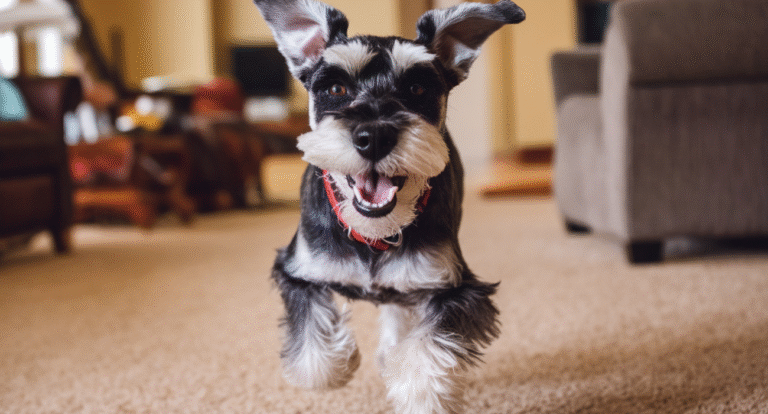
Healthy aging starts with the right diet. Learn the essential nutrients senior Schnauzers need for a longer, happier life.
Let’s talk about something every schnauzer parent dreads: watching their energetic, spunky companion slow down with age. The good news? Much of what we chalk up to “just getting old” can actually be prevented or significantly improved with proper nutrition. Your senior schnauzer doesn’t have to accept achy joints, dull coat, or low energy as inevitable.
Scientists and veterinary nutritionists have identified specific nutrients that target the exact challenges senior dogs face. These aren’t miracle cures or expensive supplements with dubious benefits. They’re proven, research-backed nutrients that support your aging schnauzer’s body systems in measurable, meaningful ways. Your gray-muzzled friend deserves nothing less than nutritional excellence.
1. Omega-3 Fatty Acids: The Inflammation Fighter
If you could only add one supplement to your senior schnauzer’s diet, omega-3 fatty acids should top the list. These powerful nutrients, particularly EPA and DHA found in fish oil, work like tiny firefighters throughout your dog’s body, putting out the flames of inflammation that come with aging.
Senior schnauzers are particularly prone to joint issues, and omega-3s have been shown to significantly reduce arthritis pain and improve mobility. But the benefits don’t stop there. These fatty acids also support cognitive function (keeping that schnauzer brain sharp!), promote a lustrous coat, support heart health, and even help with kidney function.
Omega-3 fatty acids don’t just extend your schnauzer’s life. They extend the quality of that life, keeping them comfortable, mobile, and mentally sharp through their golden years.
Look for supplements derived from wild-caught fish, and aim for about 75-100mg of combined EPA/DHA per 10 pounds of body weight daily. Your schnauzer’s coat will become softer, their joints will move more easily, and you might notice them acting more like their younger self.
2. Glucosamine and Chondroitin: Joint Support Superstars
Schnauzers weren’t exactly bred for marathon running, but they still love their daily activities. As cartilage naturally breaks down with age, these two supplements work together to maintain joint health and cushioning. Think of them as renovation workers, constantly repairing and rebuilding the structures that keep your dog moving comfortably.
Glucosamine helps form and repair cartilage, while chondroitin helps that cartilage retain water (which is crucial for shock absorption). Together, they create a powerful one-two punch against joint deterioration. Many senior schnauzers show noticeable improvement in mobility within four to six weeks of starting supplementation.
The typical dosage is around 20mg of glucosamine per pound of body weight. So a 20-pound miniature schnauzer would get about 400mg daily. Look for products that combine both supplements, as they work synergistically for better results than either alone.
3. High-Quality Protein: Building Blocks for Everything
Here’s where many people get it wrong: they assume senior dogs need less protein. Actually, senior schnauzers often need more high-quality protein than their younger counterparts. Why? Because aging bodies become less efficient at utilizing protein, meaning they need more to maintain muscle mass.
Muscle loss (sarcopenia) is a major issue in senior dogs. It leads to weakness, reduced mobility, and a lower quality of life. Adequate protein intake helps preserve that precious muscle mass, keeping your schnauzer strong and active.
| Dog Weight | Minimum Daily Protein | Optimal Daily Protein |
|---|---|---|
| 10-15 lbs | 18-25g | 30-40g |
| 15-20 lbs | 25-35g | 40-50g |
| 20-30 lbs | 35-50g | 50-65g |
Focus on easily digestible protein sources like chicken, turkey, fish, and eggs. Quality matters more than quantity. A senior schnauzer’s digestive system doesn’t process food as efficiently as it once did, so premium protein sources make a real difference.
4. Fiber: The Digestive System’s Best Friend
Senior schnauzers often experience constipation or other digestive irregularities. Their metabolism slows, they exercise less, and their GI tract simply doesn’t work as efficiently. This is where fiber becomes absolutely essential.
But not all fiber is created equal! You want a mix of soluble and insoluble fiber. Soluble fiber (from sources like pumpkin, sweet potato, and oats) helps regulate blood sugar and feeds beneficial gut bacteria. Insoluble fiber (from vegetables and whole grains) keeps things moving smoothly through the digestive tract.
Aim for senior dog foods with around 3-5% fiber content. Too little won’t help, but too much can interfere with nutrient absorption. Many schnauzer owners swear by adding a tablespoon of pure pumpkin puree (not pie filling!) to their dog’s meals for gentle, natural fiber support.
5. Antioxidants: The Anti-Aging Army
Every day, your schnauzer’s body produces free radicals (unstable molecules that damage cells). Over a lifetime, this oxidative stress contributes to aging, cognitive decline, and disease. Antioxidants neutralize these free radicals, essentially putting the brakes on aging processes.
Vitamins E and C are the power couple of antioxidants, working together to protect cell membranes and support immune function. But don’t overlook other important antioxidants like beta-carotene, lutein, and selenium. These nutrients help maintain cognitive function, reduce cancer risk, and support overall cellular health.
Think of antioxidants as your schnauzer’s personal bodyguards, constantly protecting cells from damage and keeping their body functioning like a much younger dog.
Colorful fruits and vegetables are antioxidant powerhouses. Blueberries, spinach, carrots, and sweet potatoes all pack serious antioxidant punch. Many high-quality senior dog foods are specifically fortified with enhanced antioxidant blends.
6. B Vitamins: Energy and Brain Boosters
The B vitamin family (including B12, B6, folate, and others) plays starring roles in energy metabolism, nerve function, and cognitive health. As schnauzers age, their ability to absorb certain B vitamins (particularly B12) can decline, leading to lethargy, confusion, and decreased appetite.
These vitamins are water soluble, meaning your dog’s body doesn’t store them. They need consistent replenishment through diet. B vitamins support everything from red blood cell formation to neurotransmitter production. They’re especially important for maintaining that sharp schnauzer personality and preventing cognitive dysfunction syndrome (basically, doggy dementia).
Most high-quality senior dog foods include adequate B vitamins, but dogs with digestive issues or certain health conditions may need supplementation. Your veterinarian can test B12 levels if you’re concerned. Signs of deficiency include weakness, loss of appetite, and behavioral changes.
7. Calcium and Phosphorus: The Bone Health Duo
These minerals work in careful balance to maintain strong bones and teeth. While we often focus on joint health in senior dogs, bone health deserves equal attention. Schnauzers are prone to dental issues, making calcium particularly important for maintaining tooth integrity.
The key word here is balance. Too much calcium can actually be harmful, potentially contributing to kidney issues or interfering with absorption of other minerals. The ideal calcium to phosphorus ratio for senior dogs is roughly 1.2:1 to 1.4:1.
Senior schnauzers with kidney disease need special attention to phosphorus levels, as their kidneys can’t eliminate excess as efficiently. This is one reason why regular vet checkups and blood work are so important. Your veterinarian can recommend the right mineral balance based on your schnauzer’s specific health status.
8. Digestive Enzymes and Probiotics: Gut Health Game Changers
Your senior schnauzer’s digestive system is like a well-used kitchen: it still works, but it’s not as efficient as it once was. Digestive enzymes help break down food more effectively, ensuring your dog actually absorbs all those wonderful nutrients you’re providing. Probiotics populate the gut with beneficial bacteria that support digestion, immune function, and even mood.
Think of probiotics as tiny maintenance workers, constantly keeping the digestive system running smoothly. They help with everything from nutrient absorption to protecting against harmful bacteria. Many senior schnauzers experience less gas, firmer stools, and better overall digestion when probiotics are added to their diet.
Look for supplements containing multiple strains of beneficial bacteria (Lactobacillus and Bifidobacterium species are particularly effective). The colony forming units (CFUs) should be in the billions. Store probiotic supplements properly (many need refrigeration) to ensure the bacteria remain alive and effective.
9. L-Carnitine: The Metabolism Supporter
L-carnitine is an amino acid that plays a crucial role in fat metabolism and energy production. For senior schnauzers (who can be prone to weight gain as their activity level decreases), this nutrient helps the body efficiently convert fat into usable energy rather than storing it around the waistline.
But the benefits extend beyond weight management. L-carnitine supports heart health, which is particularly important since heart disease is relatively common in aging schnauzers. It also supports cognitive function and may help reduce the mental decline associated with aging.
Many senior dog foods include L-carnitine, but supplementation may provide additional benefits, especially for schnauzers who need to lose weight or maintain a healthy weight. Typical supplementation ranges from 50mg to 100mg per 10 pounds of body weight, but always consult your veterinarian before adding supplements.
10. Medium Chain Triglycerides (MCTs): Brain Fuel for Senior Minds
Here’s cutting-edge nutrition science that’s making waves in senior dog care: MCTs, particularly from coconut oil, provide an alternative energy source for aging brains. As dogs age, their brains become less efficient at using glucose for energy. MCTs convert into ketones, which brain cells can use for fuel, potentially slowing cognitive decline.
Studies have shown that senior dogs receiving MCT supplementation demonstrate improved cognitive function, better problem-solving abilities, and reduced signs of canine cognitive dysfunction. For a breed as intelligent and personality-packed as schnauzers, maintaining brain health is absolutely crucial for quality of life.
When your senior schnauzer still recognizes family members, remembers their favorite games, and maintains that signature stubborn streak, you’re seeing the power of proper brain nutrition at work.
Start with small amounts (about 1/4 teaspoon per 10 pounds of body weight) and gradually increase to avoid digestive upset. Many owners notice their senior schnauzers becoming more alert, interactive, and “present” within a few weeks of starting MCT supplementation. It’s like watching the lights come back on in those expressive schnauzer eyes.