Dogs can’t speak, but they give clues. Spot the subtle signs your German Shepherd isn’t feeling well before it’s too late.
Your German Shepherd just gave you the side eye when you suggested a walk. Yesterday, they left three kibbles in their bowl. Last week, they actually let the mailman pass without a full security briefing. Individually, these seem like quirky dog moments. Together? They might be red flags waving right under your nose.
The challenge with German Shepherds is they’re basically the strong, silent type of the canine world. While a Chihuahua might scream about a hangnail, your GSD will tough it out until they physically can’t anymore. But their bodies are constantly communicating if you know what to look for. Let’s explore the subtle signs that separate “my dog is having an off day” from “we need to call the vet right now.”
1. The Mysterious Case of the Decreased Appetite
When a German Shepherd who normally inhales their food suddenly becomes a picky eater, your internal alarm bells should start ringing. This isn’t about them holding out for something better (though GSDs can be clever like that). We’re talking about a genuine disinterest in food, even their favorite treats.
A decreased appetite can signal anything from dental pain to gastrointestinal issues to something more serious like kidney disease. Your shepherd might approach their bowl, sniff it, and walk away. They might eat half and stop. Or they might show interest but then eat very slowly, which could indicate mouth pain.
What makes this particularly sneaky: Many owners write off one missed meal as no big deal. And honestly? Sometimes it isn’t. But if your GSD skips more than two meals or shows diminished interest for more than 24 hours, it’s time to investigate.
Pay attention when your food-motivated German Shepherd suddenly isn’t motivated by food anymore. Their stomach is trying to tell you something their mouth can’t.
2. Subtle Changes in Their Bathroom Routine
Nobody gets excited about monitoring their dog’s bathroom habits, but it’s one of the most revealing health indicators you have. German Shepherds often struggle with sensitive stomachs, and changes in their output can signal trouble brewing.
Look for straining, changes in frequency (either direction), unusually hard or soft stools, or any blood or mucus. Even subtle color changes matter. Dark, tarry stools can indicate internal bleeding, while pale stools might suggest liver issues.
Here’s what normal looks like versus what should concern you:
| Indicator | Normal Range | Red Flag Territory |
|---|---|---|
| Frequency | 1-3 times daily | More than 5 times or less than once every 2 days |
| Consistency | Firm but not hard | Liquid, extremely hard, or containing blood/mucus |
| Straining | None to minimal | Significant effort with little result |
| Color | Chocolate brown | Black, red, grey, or white/pale |
The sneaky part: These changes often happen gradually. Your shepherd might have slightly softer stools for a few days before it becomes obvious diarrhea. They might strain just a little bit before it becomes a full blown constipation issue.
3. The Energy Level Shift
German Shepherds are naturally energetic dogs, so when yours starts declining play invitations or seems less enthusiastic about activities they normally love, take notice. This isn’t about them lounging around (all dogs need rest), it’s about a fundamental shift in their baseline energy.
Maybe they’re sleeping more than usual. Perhaps they’re slow to get up in the morning or reluctant to climb stairs they’ve bounded up a thousand times before. They might still go on walks but lag behind instead of pulling ahead.
Why it’s easy to miss: If the decrease happens slowly over weeks or months, you adapt to their “new normal” without realizing something’s wrong. Also, we often attribute lower energy to aging, but pain and illness can mimic aging symptoms.
4. Weird Sleeping Positions or Location Changes
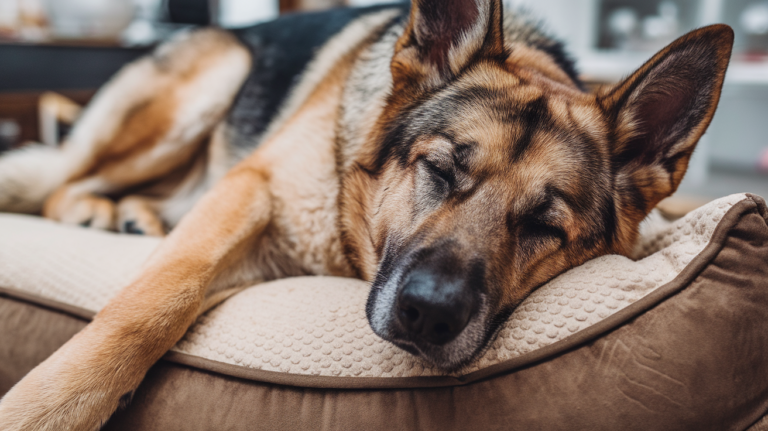
Your German Shepherd has probably claimed specific sleeping spots around your home. They have their favorite corner, their preferred dog bed, maybe that one sunny patch by the window. When they suddenly abandon these spots or start sleeping in strange positions, something might be up.
Dogs experiencing joint pain often can’t get comfortable in their usual positions. They might sleep sitting up, avoid lying on one side, or choose hard floors over soft beds (or vice versa). Moving to cooler or warmer spots than usual can also indicate fever or other temperature regulation issues.
Additionally, a dog who suddenly wants to sleep alone when they’ve always been velcroed to your side (or the opposite) is communicating discomfort. Pain makes dogs seek solitude, while anxiety from not feeling well makes them seek comfort.
Your German Shepherd’s sleeping habits are like a diary entry they write every night. When the story changes, read between the lines.
5. The Personality Transplant
This one’s particularly unnerving because it feels like your dog has been replaced by a completely different animal. Your typically social GSD suddenly doesn’t want to be petted. Your couch potato becomes restless and can’t settle. Your confident shepherd acts anxious or clingy.
Personality changes can stem from pain (making them irritable or withdrawn), neurological issues, cognitive decline, or systemic illness affecting their brain chemistry. A typically gentle dog might snap when touched in a painful area. An independent dog might become velcro dog because they don’t feel well and need reassurance.
The tricky aspect: We all have bad days, and so do dogs. One grumpy afternoon doesn’t mean disaster. But sustained personality changes lasting several days, or dramatic shifts that seem out of character, warrant investigation.
6. Excessive Licking, Scratching, or Grooming
German Shepherds are moderate groomers under normal circumstances. When they start obsessively licking one area, scratching constantly, or grooming themselves raw, they’re trying to address discomfort.
This could indicate allergies, skin infections, parasites, hot spots, or even internal pain (dogs often lick an area on their body that corresponds to internal discomfort). Paw licking is especially common and can signal allergies, anxiety, or pain in the joints of the leg.
Watch for bald patches, redness, moisture, or any areas that look different from the rest of their coat. Also pay attention to when the licking happens. Nighttime licking can indicate anxiety or pain that’s worse when they’re trying to rest.
7. Respiratory Changes You Can Hear and See
Breathing is one of those things that should just happen quietly in the background. When it becomes noticeable, something’s usually wrong. Excessive panting when they haven’t exercised, rapid shallow breathing, or any wheezing or coughing needs attention.
German Shepherds can develop various respiratory issues, from infections to collapsing trachea to more serious conditions like bloat (which causes rapid breathing as a secondary symptom). Even allergies can cause respiratory symptoms.
If your shepherd’s breathing sounds like they just ran a marathon when they’ve been lying down, their body is working overtime to compensate for something.
What to watch for: Count their breaths when they’re resting. Normal is 10 to 30 breaths per minute. Anything consistently above that range, especially paired with other symptoms, deserves a vet visit. Also watch their chest movement; labored breathing involves visible effort.
8. The Hydration Equation Goes Wrong
Water intake is a Goldilocks situation: too much or too little both spell trouble. A German Shepherd drinking significantly more water than usual (polydipsia) can indicate diabetes, kidney disease, Cushing’s disease, or other metabolic issues. Drinking less (which is rarer) might mean nausea or oral pain.
Here’s a rough guideline: dogs typically need about one ounce of water per pound of body weight daily. So a 70 pound GSD should drink around 70 ounces (about 8.75 cups) per day, though this varies with activity level, weather, and diet.
| Water Intake Pattern | Possible Issues |
|---|---|
| Dramatically increased | Diabetes, kidney disease, infection, Cushing’s disease |
| Noticeably decreased | Nausea, mouth pain, early kidney disease |
| Increased with increased urination | Kidney issues, diabetes |
| Messy drinking or avoiding bowl | Dental pain, vision problems |
The sneaky factor: Unless you measure their water, you might not notice gradual increases. You might just find yourself refilling the bowl more often and not think twice about it.
9. Balance and Coordination Issues
This one can be subtle until it isn’t. Your German Shepherd might stumble occasionally, bump into furniture they normally navigate perfectly, or seem slightly “off” in their movements. They might have trouble with stairs or show head tilting.
These symptoms can indicate ear infections (which affect balance), neurological issues, vision problems, or vestibular disease. Even arthritis can affect coordination as dogs compensate for painful joints by moving differently.
Why owners miss it: We often assume they’re being clumsy or not paying attention. And sometimes they are! But if you notice patterns (always bumping the same side, consistently missing jumps they used to nail, regular stumbling), dig deeper.
10. Eye and Facial Expression Changes
Dogs’ eyes truly are windows to their health. Cloudiness, redness, discharge, squinting, or pupils that are different sizes all indicate problems. But beyond obvious eye issues, the expression in your German Shepherd’s eyes can change when they’re unwell.
Sick or painful dogs often have what’s called a “worried expression” or “whale eye” (showing more white of the eye than usual). Their face might look tense, with furrowed brows or pinned back ears even when nothing stressful is happening.
Additionally, look for facial swelling, which can indicate allergic reactions, abscesses, or infections. Any drooping on one side of the face needs immediate attention as it could indicate neurological issues.
The subtlety factor: You see your dog’s face every day, making it easy to overlook gradual changes. Try taking regular photos of your GSD; sometimes changes become obvious only when you compare pictures from a few weeks apart.
Trust Your Gut (And Your Shepherd’s Signals)
The beautiful and frustrating thing about German Shepherds is their incredible toughness. They’ll push through discomfort that would have other breeds dramatically playing dead on the living room floor. This resilience is admirable, but it means you need to be extra vigilant.
When in doubt, trust your instincts. You know your dog better than anyone else. If something feels off, even if you can’t put your finger on exactly what, a vet visit is never a waste of time. Catching problems early almost always leads to better outcomes and often less expensive treatment.
Keep a journal of your observations if you notice subtle changes but aren’t sure if they’re significant. Note dates, behaviors, and any patterns you observe. This information becomes invaluable for your veterinarian when trying to diagnose vague symptoms.
Your German Shepherd depends on you to be their voice and their advocate. By learning to read these sneaky signals, you’re giving them the gift of early intervention and the best possible care. After all, they’d do anything for you; watching out for these subtle signs is the least you can do for them.