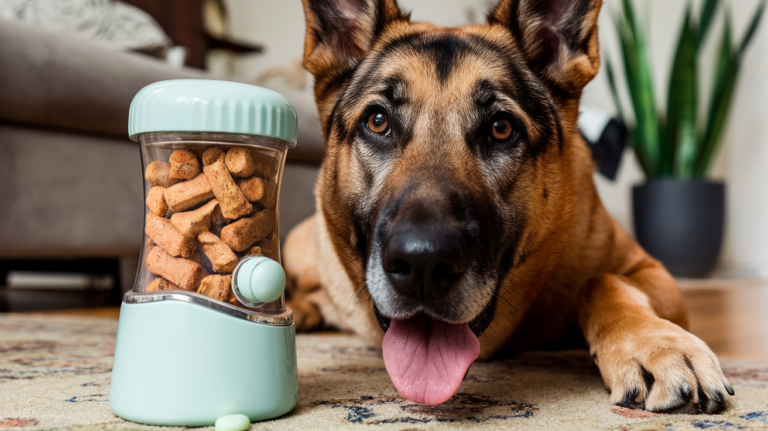
Daily life with a GSD gets smoother fast using clever shortcuts that save time, boost behavior, and keep your powerhouse pup happily occupied.
Raising a German Shepherd is basically like having a toddler who never grows up but somehow gains the ability to open doors, learn complex commands, and judge your life choices with those big brown eyes. They’re intensely devoted, endlessly energetic, and occasionally convinced that the mailman is plotting world domination. Sound familiar?
The beautiful chaos of GSD ownership doesn’t have to overwhelm you, though. With the right hacks, you can channel all that intelligence and energy into positive outcomes while keeping your sanity intact. Whether you’re dealing with excessive shedding, boredom-induced destruction, or training challenges, these practical tips will revolutionize your daily routine.
1. The Frozen Kong Strategy: Your Secret Weapon Against Boredom
German Shepherds have brains that need constant stimulation, and a bored GSD is a destructive GSD. Enter the frozen Kong: your new best friend. Stuff a Kong toy with a mixture of your dog’s kibble, peanut butter (xylitol free!), plain yogurt, or mashed banana, then freeze it overnight.
This simple hack can buy you anywhere from 30 minutes to over an hour of peace. Your shepherd will be completely absorbed in the challenge of extracting every last morsel, giving their brain and jaw muscles a serious workout. Plus, you can prep several at once and keep them rotating in your freezer for those moments when you absolutely need your dog occupied.
When your German Shepherd’s brain isn’t engaged, their natural problem-solving abilities will find an outlet, and you probably won’t like their creative solutions.
The genius of this hack lies in its simplicity and versatility. Try different combinations: cream cheese and kibble, pureed pumpkin and treats, or even wet dog food frozen solid. Your GSD will thank you, and so will your furniture.
2. Master the Art of “Capturing Calmness”
Most German Shepherd parents focus on training commands like sit, stay, and come. But here’s what nobody tells you: teaching your dog to simply be calm is equally crucial. The “capturing calmness” technique involves rewarding your GSD whenever they’re naturally relaxed and quiet.
When your dog is lying down peacefully, calmly walk over and drop a treat between their paws without saying a word. No commands, no excitement, just quiet reinforcement. Do this consistently, and your shepherd will start to understand that calm behavior earns rewards just like tricks do.
This approach works because German Shepherds are incredibly smart and quickly recognize patterns. Within a few weeks, you’ll notice your dog actively choosing to relax more often, seeking out those calm moments because they’ve learned it’s rewarding. It’s game changing for households with high-energy GSDs.
3. Create a “Job” for Your Working Dog
German Shepherds were bred to work, and that instinct doesn’t disappear just because they’re living in a suburban home instead of herding sheep. Your dog needs a sense of purpose, so give them one! This doesn’t mean you need to enroll them in professional protection training; simple household “jobs” work wonders.
Teach your GSD to bring you the newspaper, carry their own leash on walks, or fetch specific items by name. Some creative owners train their shepherds to help with laundry (bringing dirty clothes to the basket), close doors, or even bring them their shoes. The complexity doesn’t matter as much as the consistency.
| Household Job | Difficulty Level | Time to Train |
|---|---|---|
| Fetch the newspaper | Easy | 1-2 weeks |
| Bring specific toys by name | Medium | 2-4 weeks |
| Close doors on command | Medium | 2-3 weeks |
| Carry their own leash | Easy | 1 week |
| Help with laundry sorting | Advanced | 4-6 weeks |
Having a job satisfies your German Shepherd’s need to be useful and strengthens your bond. Plus, it’s genuinely helpful and absolutely adorable to watch.
4. The Two-Walk System: Quality Over Quantity
Here’s a hack that sounds counterintuitive: sometimes shorter walks are better than longer ones. Instead of one exhausting 90-minute marathon, try two focused 30-minute sessions with different purposes. Make your morning walk all about sniffing and mental stimulation, letting your GSD explore at their own pace and investigate every interesting smell.
Your evening walk should focus on physical exercise and training. Use this time for heel practice, recall training, and maybe some jogging or fetch. This two-walk approach provides both mental and physical enrichment without burning you out.
The beauty of this system is flexibility. On busy days, even two quick 15-minute walks with distinct purposes (one for bathroom and sniffing, one for physical activity) will satisfy your shepherd better than a single rushed outing. Your GSD gets variety, and you get a manageable routine.
5. Designate a “Yes” Space for Natural Behaviors
German Shepherds have natural behaviors like digging, chewing, and patrolling that can drive owners crazy when directed at flowerbeds, furniture, or the fence line. Instead of constantly saying “no,” create a designated “yes” space where these behaviors are totally acceptable.
Set up a digging pit in your backyard using a kiddie pool filled with sand or soft dirt. Bury toys and treats in it, and actively encourage your GSD to dig there. For chewing, create a toy box that’s exclusively theirs and keep it stocked with rotating options. For their patrol instinct, establish a specific path around your yard that becomes “their” route.
Redirecting natural instincts into appropriate outlets is infinitely more effective than trying to suppress them entirely.
When you catch your shepherd engaging in these behaviors in approved zones, praise them enthusiastically. This positive reinforcement teaches them where these activities belong, and you’ll notice a dramatic decrease in unwanted digging or chewing elsewhere.
6. The “Name Game” for Impulse Control
German Shepherds can be impulsive, especially when excited. Teaching the “name game” creates an instant off-switch for your dog’s brain. The concept is simple: teach your GSD that hearing their name means “stop what you’re doing and look at me immediately.”
Start in a quiet environment with minimal distractions. Say your dog’s name once (just once!), and the moment they look at you, mark it with “yes!” and reward them. Gradually increase the difficulty by practicing in more distracting environments. The key is never repeating their name; say it once and wait.
This hack becomes invaluable in real-world situations. When your shepherd is fixating on another dog, about to chase a squirrel, or getting too excited with visitors, their name becomes a reset button. You’ll have their attention instantly, giving you the chance to redirect them to appropriate behavior. It’s ridiculously effective and takes only a few minutes of daily practice.
7. Strategic Feeding: Turn Meals Into Mental Workouts
Forget the food bowl. Seriously. German Shepherds eat their meals in about 30 seconds flat, gaining zero mental stimulation from the experience. Instead, use mealtime as an opportunity for enrichment and training.
Scatter feed by tossing kibble across your lawn, turning dinner into a sniffing adventure. Use puzzle feeders that make your dog work for each piece. Hide small portions around the house for a scavenger hunt. Incorporate kibble into training sessions throughout the day rather than giving two big meals.
This approach has multiple benefits: it slows down eating (reducing bloat risk), provides mental stimulation, reinforces training, and tires out your GSD without any physical exercise. A mentally tired shepherd is a well-behaved shepherd. You can transform those boring twice-daily feedings into meaningful enrichment that actually makes your life easier.
8. Establish a “Settle” Station
Train your German Shepherd to go to a specific spot and settle on command. This could be a dog bed, a mat, or a designated corner. The “place” command becomes incredibly useful when you need your dog out of the way but don’t want to crate them constantly.
Start by luring your GSD to their spot with treats, then gradually increase the duration they stay there. Eventually, add the verbal cue “place” or “settle.” Practice during meal prep, when visitors arrive, or when you’re working from home. Your shepherd learns that this spot means calm, quiet time.
The settle station gives your dog clarity about expectations. Instead of constantly managing their every move, you can simply send them to their spot. It’s especially helpful for GSDs who struggle with door manners or who get underfoot during busy household moments. Once mastered, this command becomes second nature for both of you.
9. Rotate Toys Like a Subscription Service
German Shepherds get bored with the same toys quickly, but buying new ones constantly gets expensive. The solution? Create a toy rotation system. Divide your dog’s toys into three or four groups and only make one group available at a time. Every few days, swap out the current toys for a different set.
This simple rotation makes old toys feel new again. Your GSD will greet each rotation with fresh excitement, as if you’ve just brought home brand new entertainment. It keeps their interest high without impacting your wallet.
Store the “off-duty” toys completely out of sight and scent. The anticipation and novelty when toys reappear creates genuine excitement. Bonus tip: give extra special toys (like the really squeaky ones) even less frequent rotation to maximize their value as high-reward items during training.
10. The Power Hour: Structured Daily Routine
German Shepherds thrive on routine and predictability. Establish a consistent “power hour” each day that includes training, play, and bonding. This doesn’t mean you need a full hour; even 20 focused minutes works wonders. The key is consistency and structure.
Your power hour might include: 5 minutes of obedience training, 10 minutes of fetch or tug, 5 minutes of trick training or puzzle solving, and 5 minutes of calm bonding time (brushing, massage, or quiet petting). Keep the energy varied to maintain engagement.
Predictable daily structure reduces anxiety and behavioral issues while strengthening the bond between you and your German Shepherd.
When your GSD knows that every day at 6 PM they get focused attention and mental stimulation, they’re more likely to be calm and patient during other parts of the day. They’re not constantly pestering you for attention because they trust that their special time is coming. This predictability creates a calmer, more balanced dog and gives you a clear framework for meeting their needs without feeling overwhelmed.
These ten hacks aren’t just tricks; they’re a completely different approach to German Shepherd ownership. By working with your dog’s natural instincts instead of against them, you create a harmonious household where both you and your shepherd can thrive. Start implementing even just two or three of these strategies, and you’ll notice an immediate difference in your daily life. Your German Shepherd has incredible potential, and these tools help you unlock it while maintaining your sanity and actually enjoying the journey.