Good intentions can still cause problems. Learn the parenting mistakes that can confuse your German Shepherd and how to avoid them.
Walk into any dog training class, and you’ll probably spot at least one German Shepherd owner looking completely overwhelmed. Their beautiful dog is pulling on the leash, barking at other dogs, or refusing to listen to basic commands. You might think, “How did such a smart breed end up so out of control?” The answer usually isn’t the dog. It’s the mistakes their human made along the way.
German Shepherds are incredibly forgiving dogs, but they’re also creatures that need structure, purpose, and consistent guidance. Without these elements, their natural instincts can turn into problematic behaviors faster than you can say “sit.” Let’s dive into the most common parenting mistakes that turn these amazing dogs into handfuls.
1. Skipping Early Socialization
This is the cardinal sin of German Shepherd ownership. These dogs have a natural wariness of strangers, which can quickly escalate into fear or aggression if not properly addressed during the critical socialization window (between 3 and 14 weeks old).
Many new owners think keeping their puppy safe means keeping them isolated until all vaccinations are complete. Wrong. By the time your pup is fully vaccinated, that precious socialization window has already slammed shut. Your German Shepherd needs exposure to different people, dogs, environments, sounds, and experiences during those early weeks.
Take your puppy everywhere (safely). Carry them to busy areas if they can’t walk yet. Let friendly, vaccinated dogs meet them. Introduce them to children, elderly people, people in wheelchairs, people wearing hats. Every positive experience now prevents potential problems later.
The first 14 weeks of your German Shepherd’s life will shape their temperament for the next 14 years. Don’t waste this window.
2. Underestimating Their Exercise Needs
“Oh, we have a backyard” isn’t going to cut it. German Shepherds were bred to work all day, every day. They have seemingly endless reserves of energy that must be burned off through proper exercise and mental stimulation.
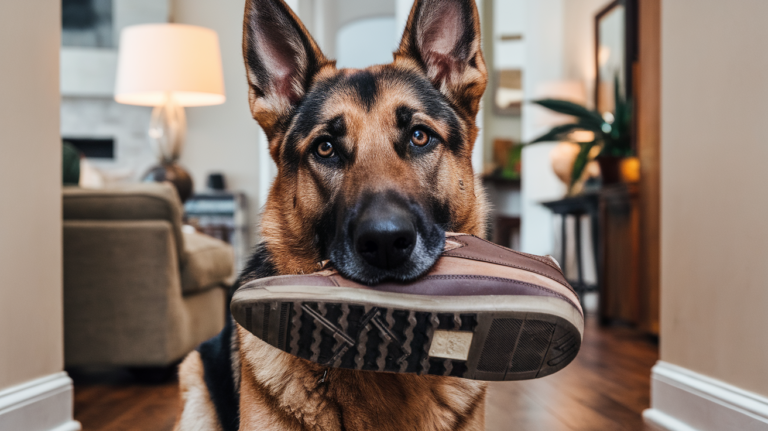
A tired German Shepherd is a well-behaved German Shepherd. An under-exercised one? That’s your couch cushions destroyed, your shoes chewed, and your neighbors complaining about nonstop barking. These dogs need at least 1 to 2 hours of physical activity daily, and that doesn’t mean just letting them out in the yard to sniff around.
We’re talking walks, runs, hikes, fetch sessions, agility training, or swimming. Mix it up to keep them engaged. A 20-minute stroll around the block isn’t exercise for a German Shepherd; it’s a warm-up.
| Activity Type | Duration Needed | Mental Stimulation Level |
|---|---|---|
| Walking | 45-60 minutes | Low to Medium |
| Running/Hiking | 30-45 minutes | Medium |
| Fetch/Frisbee | 20-30 minutes | High |
| Agility Training | 20-30 minutes | Very High |
| Swimming | 20-30 minutes | Medium to High |
3. Neglecting Mental Stimulation
Physical exercise alone won’t cut it with this breed. German Shepherds are ridiculously smart. They’re problem solvers, thinkers, and strategists. Without mental challenges, they’ll create their own entertainment, and trust me, you won’t like their choices.
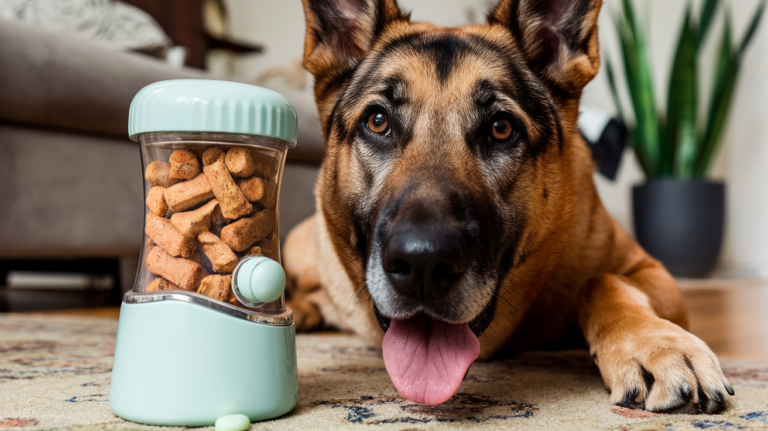
Puzzle toys, training sessions, scent work, hide and seek games… these should be part of your daily routine. Teaching your German Shepherd new tricks isn’t just cute; it’s essential maintenance for their big, active brains. A bored German Shepherd can become anxious, destructive, or develop obsessive behaviors like tail chasing or excessive licking.
Think of it this way: you’ve essentially brought home a furry Einstein. Would you lock Einstein in a room with nothing to do all day? Your German Shepherd needs jobs, challenges, and problems to solve. Give them constructive outlets, or they’ll find destructive ones.
4. Inconsistent Training and Boundaries
German Shepherds thrive on structure and clear rules. They want to know what’s expected of them, and they want consistency. When you let them on the couch one day but yell at them for it the next, you’re creating confusion and anxiety.
Everyone in the household needs to be on the same page with rules and commands. If one person allows jumping and another punishes it, your dog will never understand what’s actually expected. This inconsistency can lead to anxiety and behavioral issues that seem to come out of nowhere.
Set your house rules early and stick to them. Is the dog allowed on furniture? Do they need to sit before eating? Must they wait at doorways? Whatever you decide, enforce it every single time. German Shepherds are incredibly trainable, but they need clear, consistent guidance.
5. Using Harsh or Punitive Training Methods
Here’s something many people don’t realize: German Shepherds are sensitive souls wrapped in tough looking packages. They’re eager to please and bond deeply with their owners. Harsh corrections, yelling, or physical punishment can damage that bond and create fearful, anxious dogs.
These dogs respond beautifully to positive reinforcement training. They want to make you happy. They want to do the right thing. When you use treats, praise, and play to reward good behavior, you’ll see faster, more reliable results than any amount of correction will provide.
A German Shepherd trained with kindness and positive reinforcement becomes a confident, stable companion. One trained with fear becomes unpredictable and anxious.
Plus, let’s be honest: do you really want to get into a battle of wills with a 75 to 90 pound dog with powerful jaws? Work with their natural desire to please you, not against it.
6. Ignoring Early Signs of Resource Guarding
That cute puppy growl when you get near their food bowl? That’s not cute. That’s a warning sign that needs immediate attention. German Shepherds can develop resource guarding behaviors around food, toys, spaces, or even people if not properly addressed early on.
Many owners dismiss early signs as “puppy behavior” or don’t want to “bother” their dog while eating. This is a huge mistake. You should be able to approach your dog during meals, take away toys, or move them from their favorite spot without any aggressive response.
Start early by adding treats to their food bowl while they eat, teaching “drop it” and “leave it” commands with high value rewards, and handling them during meals. If you see guarding behavior developing, address it immediately with a professional trainer. This is not something to hope they’ll grow out of.
7. Failing to Address Separation Anxiety
German Shepherds are Velcro dogs. They want to be with their people 24/7. While this loyalty is endearing, it can morph into serious separation anxiety if you don’t teach them to be comfortable alone.
Too many owners never leave their puppy alone, or they make a huge fuss every time they leave or return home. This teaches the dog that departures are dramatic, scary events. Before you know it, you’ve got a dog who destroys the house, barks nonstop, or injures themselves trying to escape when you leave for work.
Practice departures from day one. Leave for short periods. Make comings and goings boring and low key. Use puzzle toys or frozen Kongs to create positive associations with alone time. Crate training (done properly) can help create a safe space where your dog feels secure when you’re gone.
8. Overlooking Hip and Joint Health
German Shepherds are unfortunately prone to hip dysplasia and other joint issues. Many owners don’t think about this until their dog is already showing symptoms, which is way too late for prevention.
Keep your German Shepherd at a healthy weight. Every extra pound puts stress on those joints. Avoid high impact activities (like jumping from heights) while they’re still growing. Consider joint supplements early, especially if you have a puppy from lines with hip issues. Get proper health screenings done.
Exercise is crucial, but smart exercise is even more important. Swimming is fantastic for building muscle without joint stress. Controlled walks on varied terrain build strength. Just going ham with a tennis ball on concrete for hours? That’s setting your dog up for problems down the road.
9. Not Establishing Leadership Through Structure
German Shepherds are pack animals who need a clear leader. This doesn’t mean dominating or bullying your dog. It means providing structure, making decisions, and giving your dog the security of knowing someone capable is in charge.
When you fail to establish yourself as a calm, confident leader, your German Shepherd may try to fill that role themselves. This often manifests as overprotective behavior, leash reactivity, or refusal to listen to commands. They’re not being “stubborn” or “dominant”; they’re stressed because nobody’s managing the pack.
Leadership comes through controlling resources (you decide when meals happen, when play starts, when walks occur), maintaining boundaries, and following through on commands. It’s about being consistent, fair, and calm. Your German Shepherd doesn’t need a drill sergeant; they need a trustworthy guide.
Structure doesn’t restrict your dog’s freedom. It gives them the security to relax and be a dog instead of constantly worrying about managing everything themselves.
10. Choosing the Wrong Food and Feeding Schedule
German Shepherds have sensitive stomachs and specific nutritional needs that many generic dog foods don’t meet. Feeding cheap, grain heavy kibble can lead to digestive issues, allergies, poor coat quality, and insufficient nutrition for their active lifestyle.
These dogs need high quality protein sources, appropriate fat content for their energy levels, and ingredients that support joint health. Large breed formulas designed for their growth rate and adult size are essential, especially during the puppy stage when rapid growth can stress developing bones and joints.
Additionally, many owners free feed, leaving food available all day. This is problematic for several reasons: it makes potty training harder, eliminates food as a training motivator, and can contribute to obesity. Set meal times create structure, make training easier, and help you monitor your dog’s health through appetite and digestion.
| Food Type | Pros | Cons | Best For |
|---|---|---|---|
| High Quality Kibble | Convenient, complete nutrition, affordable | Less exciting for picky eaters | Most adult German Shepherds |
| Raw Diet | Excellent for allergies, shiny coat, clean teeth | Expensive, time consuming, requires research | Dogs with food sensitivities |
| Fresh/Cooked | Highly digestible, customizable | Most expensive, needs supplements | Senior dogs or those with digestive issues |
Raising a German Shepherd isn’t for everyone, but if you avoid these common mistakes, you’ll set yourself up for an incredible partnership with one of the most capable, loyal, and loving breeds on the planet. These dogs give everything to their families. Make sure you’re giving them what they need in return: structure, exercise, training, socialization, and lots of love. Get these fundamentals right, and you’ll wonder how you ever lived without your German Shepherd by your side.