These fascinating facts will change how you see your dog’s intelligence, emotions, and abilities in ways most owners never expect.
German Shepherds are cool. There’s no two ways about it. These dogs command respect wherever they go, whether they’re sniffing out danger at airports or playing fetch in suburban backyards.
But coolness is just the beginning. Behind those alert ears and soulful eyes exists a breed so fascinating, so multifaceted, that even dedicated owners are constantly discovering new reasons to be amazed. Ready to become a GSD know-it-all? Let’s jump in.
1. German Shepherds Are Babies Compared to Other Breeds
Here’s something that’ll blow your mind: the German Shepherd breed didn’t even exist until 1899. That’s right—these dogs that seem so iconic and timeless are actually younger than the light bulb. A German cavalry officer named Max von Stephanitz created the breed after attending a dog show where he spotted a wolf-like dog that captivated him completely.
Von Stephanitz bought that dog on the spot, named him Horand von Grafrath, and boom—the foundation of the entire German Shepherd breed was born. In just over a century, German Shepherds went from non-existent to one of the most popular and recognizable breeds on the planet. Talk about making an entrance.
2. They’re Not Actually Called “German Shepherds” in Germany
Plot twist alert! In their homeland of Deutschland, these dogs are known as “Deutscher Schäferhund,” which translates directly to “German Shepherd Dog.” But here’s where it gets interesting: after World War I, anti-German sentiment ran so high in England and America that the breed was temporarily renamed the “Alsatian Wolf Dog” to distance it from its German origins.
The name stuck in the UK for decades, and even today, some British folks still call them Alsatians. Meanwhile, the American Kennel Club eventually reverted to the original German Shepherd name. It’s a fascinating reminder of how politics and history can shape something as innocent as a dog breed’s name.
3. Their Bite Is Seriously Powerful
Let’s talk numbers for a second. German Shepherds possess a bite force of approximately 238 pounds per square inch (PSI). To put that in perspective, here’s how they stack up:
| Species | Bite Force (PSI) |
|---|---|
| German Shepherd | 238 |
| Human | 162 |
| Rottweiler | 328 |
| Hippopotamus | 1,800 |
| Great White Shark | 4,000 |
Now, before you panic, remember that German Shepherds are incredibly intelligent and trainable. That powerful bite is coupled with exceptional bite inhibition when properly trained. They know their own strength, and responsible breeding and training ensure they use it wisely. Still, it’s a good reminder to respect these animals and invest in proper training.
Remember this: A German Shepherd’s physical power is matched only by their mental capability. Their strength isn’t something to fear—it’s something to channel through proper training and socialization.
4. They’re the Ultimate Movie Stars
Hollywood loves German Shepherds, and for good reason. The most famous canine actor of all time? Rin Tin Tin, a German Shepherd rescued from a World War I battlefield who went on to star in 27 Hollywood films and basically saved Warner Brothers from bankruptcy in the 1920s.
But the stardom doesn’t stop there. Strongheart, another German Shepherd, was one of the earliest dog film stars. More recently, German Shepherds have appeared in countless TV shows and movies, from “I Am Legend” to “K-9” to “Inspector Rex.” Their expressive faces, intelligence, and trainability make them naturals in front of the camera. Some film historians argue that Rin Tin Tin received more fan mail than any human actor of his era. Imagine that!
5. The Breed Almost Went Extinct Twice
Here’s a sobering fact: German Shepherds nearly disappeared from the face of the earth not once, but twice. Both World Wars devastated the breed’s population in Europe. During World War I, breeding programs were disrupted, and countless dogs were killed in combat or died from starvation.
World War II was even worse. The breed’s association with Nazi Germany (Hitler was famously fond of his German Shepherd, Blondi) created massive stigma, and many dogs were destroyed simply because of their breed. Only through the dedicated efforts of breeders worldwide, particularly in America, did the breed survive and eventually thrive again. It’s a testament to human dedication that we still have these magnificent animals today.
6. They Have a “Superhero” Nose
A German Shepherd’s sense of smell isn’t just good—it’s approximately 100,000 times more sensitive than a human’s. Their noses contain around 225 million scent receptors compared to our measly 5 million. This isn’t just impressive; it’s world-changing.
This extraordinary olfactory ability makes them ideal for search and rescue operations, drug detection, explosive detection, and even medical alert work. Some German Shepherds have been trained to detect cancer, predict seizures, and identify COVID infections. Their noses are so reliable that evidence gathered by trained detection dogs is admissible in court. We’re basically talking about furry, four-legged medical devices that also happen to love belly rubs.
7. They’re Color Blind (But Not How You Think)
Contrary to popular belief, German Shepherds don’t see in black and white. They can see colors, just not the same range that humans can. Specifically, they see the world in shades of blue and yellow, but they can’t distinguish between red and green (similar to humans with red-green color blindness).
This means that your German Shepherd sees that bright red ball you’re throwing as a muddy brownish-yellow blob against green grass that looks yellowish to them. Despite this limitation, they compensate with superior motion detection and night vision. Their eyes have more rods than human eyes, allowing them to see much better in low light conditions. So while they might not appreciate your carefully color-coordinated living room, they’ll spot a squirrel moving in the twilight long before you do.
8. The “Saddle” Comes With Age
Ever notice how young German Shepherd puppies look completely different from adult GSDs? That distinctive black “saddle” marking that makes adult German Shepherds so recognizable doesn’t fully develop until the dog matures. Puppies are often born much darker or with completely different coat patterns.
As they grow, their coat gradually changes, and that classic saddle pattern emerges over the first few years of life. Some bloodlines develop more dramatic saddles than others, and the exact pattern is as unique as a fingerprint. This means that adorable all-black German Shepherd puppy you’re eyeing might end up looking dramatically different as an adult. It’s like nature’s way of keeping you guessing.
The transformation is real: What you see in a German Shepherd puppy is just a preview. Their true colors reveal themselves with patience and time.
9. They’re Working Dogs Who Need Jobs
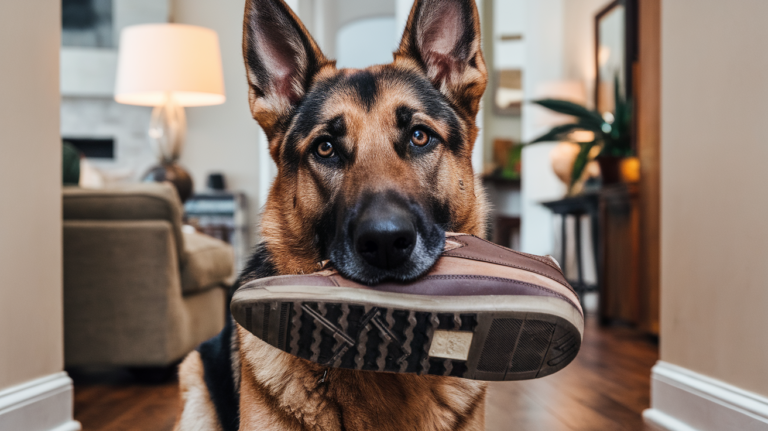
Here’s something crucial that often surprises first-time German Shepherd owners: these dogs were literally bred to work all day, every day. They’re not content being couch potatoes. A bored German Shepherd is a destructive German Shepherd, and their intelligence combined with their energy creates a perfect storm if they’re not properly stimulated.
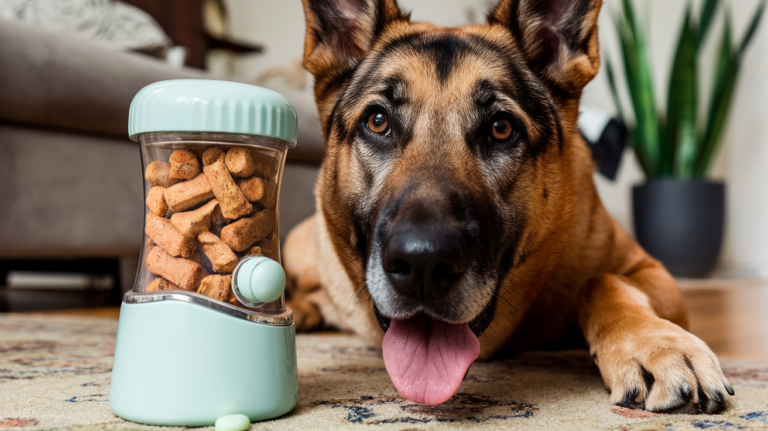
German Shepherds need both physical exercise and mental challenges. We’re talking two hours minimum of activity per day, including training, puzzle toys, fetch, agility work, or other engaging activities. Some owners joke that owning a German Shepherd is like having a furry personal trainer who never lets you skip gym day. They thrive on having a purpose, whether that’s protecting the family, learning new tricks, or competing in dog sports. Give them a job, and they’ll be your happiest, most well-behaved companion. Ignore this need, and you’ll discover exactly how creative a frustrated genius-level dog can be.
10. Their Loyalty Is Literally Legendary
We’ve all heard that German Shepherds are loyal, but the stories of their devotion go beyond typical dog faithfulness into almost mythical territory. There are documented cases of German Shepherds staying by their deceased owner’s graves for years, refusing to leave. Others have traveled hundreds of miles to return to their families after being separated.
One famous story involves a German Shepherd named Capitan who slept on his owner’s grave every night for over six years after the man’s death, somehow finding the cemetery even though he’d never been there before. Another GSD named Talero protected his owner’s body for 23 days in the Andes mountains after a climbing accident.
Loyalty defined: A German Shepherd doesn’t just love you. They choose you as their person, their purpose, their entire world. That bond is unbreakable, unwavering, and utterly profound.
This extreme loyalty makes them exceptional family protectors and explains why they’re so commonly chosen for police and military work. They don’t just follow commands; they genuinely bond with their handlers on a deep emotional level. Once you’ve earned a German Shepherd’s trust and love, you have a companion who would quite literally follow you to the ends of the earth.
The Bottom Line
German Shepherds are so much more than just another dog breed. They’re living contradictions: ancient-looking but barely a century old, powerful yet gentle, intelligent enough to outwit you but loyal enough never to try. Whether you’re lucky enough to share your life with one or simply admire them from afar, these ten facts reveal just how extraordinary these animals truly are.