Leaving your pup home is tough. Use these hacks to make your Schnauzer’s alone time happier and calmer.
Your Schnauzer’s separation anxiety isn’t just in your head. These dogs were literally bred to work alongside humans, making them exceptionally loyal companions who genuinely struggle when their favorite person vanishes for eight hours. Add in their natural intelligence and stubborn streak, and you’ve got a recipe for some creative destruction if you’re not careful.
The solution isn’t about toughing it out or hoping they’ll “just adjust.” It’s about understanding what makes Schnauzers tick and setting up your home to meet their needs. Think of it as creating a doggy day spa experience, except instead of cucumber water, there are puzzle toys and strategic napping spots. Let’s get into the specifics.
1. Create a “Schnauzer Safe Zone”
Your Schnauzer needs a designated space that screams “this is YOUR spot.” This isn’t about crating them all day (unless they genuinely love their crate), but rather establishing a comfortable headquarters where they feel secure.
Set up this zone with their bed, favorite toys, and something that smells like you. An old t-shirt works wonders. Schnauzers have incredible noses, and your scent provides genuine comfort when you’re not physically present. Add a baby gate if needed to keep them contained to a dog proofed area, especially if your pup is still mastering the art of not eating furniture.
The location matters too. Choose a spot away from windows if your Schnauzer is a barker who alerts you to every squirrel within a three block radius. Some dogs do better with a view; others turn into furry security alarms. Know your audience.
2. Exercise Before You Leave (Yes, Really)
A tired Schnauzer is a well behaved Schnauzer. This might be the oldest trick in the book, but it works because it’s rooted in simple biology. A 20 to 30 minute walk or vigorous play session before you leave can make the difference between coming home to a relaxed pup and returning to discover your Schnauzer has auditioned for a home renovation show.
Mix up the activities to keep that clever brain engaged. Schnauzers aren’t just about physical exercise; they need mental stimulation too. Try:
| Activity Type | Examples | Time Needed |
|---|---|---|
| Physical Exercise | Brisk walks, fetch, tug of war | 20-30 minutes |
| Mental Stimulation | Training sessions, hide and seek, new routes | 10-15 minutes |
| Combination Play | Agility courses, interactive games, scent work | 15-25 minutes |
The goal is to hit that sweet spot where your Schnauzer is pleasantly tired but not completely exhausted. You want them to think, “A nap sounds amazing right now,” not “I can barely stand.”
3. Invest in Puzzle Toys and Food Dispensers
Schnauzers are wickedly smart, which means they get bored easily. Really easily. A bored Schnauzer becomes a destructive Schnauzer faster than you can say “expensive vet bill.”
Puzzle toys are your secret weapon. These aren’t just time wasters; they satisfy your dog’s natural problem solving instincts. Start with easier puzzles and gradually increase difficulty as your Schnauzer masters each level. Kong toys filled with frozen peanut butter or wet food can occupy them for 30 minutes or more.
Rotation is key here. Don’t leave out the same three toys every single day. Your Schnauzer will lose interest faster than a toddler with last year’s Christmas presents. Keep a toy rotation system going, bringing out “new” (old but forgotten) toys every few days to maintain that novelty factor.
The right enrichment toy doesn’t just pass time; it transforms your Schnauzer’s alone hours into an engaging mental workout that leaves them satisfied rather than anxious.
4. Consider a Midday Check In
Look, not everyone can swing a dog walker or pop home at lunch, but if you can arrange it, a midday visit changes everything for your Schnauzer. These dogs aren’t built for 10 hour stretches alone, especially when they’re young or still adjusting to your schedule.
Options range from professional dog walkers to friendly neighbors to doggy daycare. Some people even use their lunch break to race home for a quick potty break and cuddle session. Is it convenient? Not particularly. Does it make a massive difference in your Schnauzer’s quality of life? Absolutely.
If hiring help isn’t in the budget, consider asking a trusted friend or family member. Many people are happy to stop by for 15 minutes in exchange for puppy snuggles. Trade off pet sitting duties with another dog owner in your area. Get creative.
5. Background Noise is Your Friend
Silence can be unsettling for dogs who are used to the constant hum of human activity. Leaving on a TV or radio provides comforting background noise that masks outside sounds and creates the illusion of company.
Dog specific playlists exist on streaming platforms, designed with canine hearing in mind. Classical music and reggae have been shown in studies to have calming effects on dogs. Some Schnauzers prefer audiobooks (seriously), while others are content with whatever morning show you usually watch.
The key is consistency. Use the same background noise every time you leave so your Schnauzer associates it with your routine return. It becomes part of the “everything is fine” signal system.
6. Establish a Solid Goodbye Routine
Here’s something counterintuitive: making a huge emotional production out of leaving actually increases your Schnauzer’s anxiety. Those 10 minute goodbye sessions where you apologize profusely and shower them with attention? You’re accidentally teaching them that your departure is a big, scary deal.
Instead, create a calm, boring routine. Put on your shoes, grab your keys, give a casual pat, and leave. No drama, no fanfare. When you return, wait a few minutes before acknowledging your Schnauzer. Let them settle down from the initial excitement.
This teaches your dog that departures and arrivals are completely normal, unremarkable parts of the day. The calmer you are about it, the calmer they’ll be.
7. Try Calming Aids (The Good Ones)
The market is flooded with products claiming to cure separation anxiety, but some actually work. Adaptil diffusers release synthetic pheromones that mimic what mother dogs produce to calm puppies. Many Schnauzer owners swear by them.
Calming treats with ingredients like L-theanine, chamomile, or melatonin can take the edge off without making your dog groggy. Talk to your vet before introducing any supplements, especially if your Schnauzer is on other medications.
The best calming aid isn’t something you buy at the pet store; it’s a comprehensive approach that addresses your Schnauzer’s physical, mental, and emotional needs throughout their alone time.
Some dogs benefit from wearing anxiety wraps or thunder shirts, which provide gentle, constant pressure. It’s like a hug without the human attached. Results vary by individual dog, so be prepared to experiment.
8. Gradually Build Up Alone Time
You can’t go from zero to eight hours alone and expect your Schnauzer to handle it gracefully. Gradual desensitization is essential, especially with puppies or newly adopted dogs.
Start with just five minutes. Leave the house, wait outside, then return. Extend the time incrementally over days and weeks. This teaches your Schnauzer that you always come back, which is the core reassurance they need.
Practice “fake departures” throughout the day. Grab your keys, put on your coat, then just sit back down. This breaks the association between your departure cues and actual leaving, reducing the anticipatory anxiety that builds when you start getting ready for work.
9. Address Separation Anxiety Seriously
Sometimes, despite your best efforts, a Schnauzer develops genuine separation anxiety that goes beyond typical alone time sadness. Warning signs include:
- Destructive behavior focused on exit points (doors, windows)
- Excessive drooling or panting when you prepare to leave
- House training regression only when you’re gone
- Persistent barking or howling for extended periods
- Self harm behaviors like excessive licking
If you’re seeing these red flags, consult a veterinary behaviorist or certified dog trainer specializing in anxiety. Medication combined with behavior modification can dramatically improve quality of life for dogs with clinical separation anxiety. This isn’t a training failure on your part; it’s a legitimate condition that deserves professional intervention.
10. Leverage Technology (Smartly)
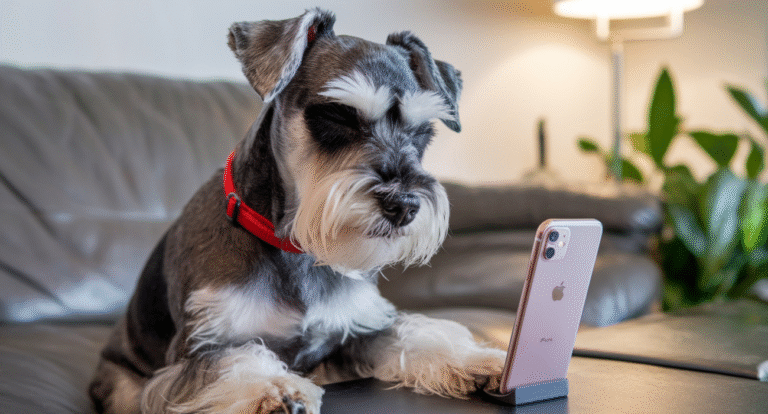
Pet cameras have evolved from “nice to have” to genuinely useful tools. Modern versions allow two way communication, treat dispensing, and even games you can play with your dog remotely.
Watching your Schnauzer throughout the day helps you understand their actual behavior patterns. Are they genuinely distressed, or do they mostly sleep? Do they get anxious at specific times? This data driven approach lets you target interventions more effectively.
Some Schnauzers love interactive cameras where they hear their owner’s voice and receive treats. Others get more agitated hearing you without seeing you. Test it out during shorter absences first. Technology should enhance your strategy, not create new problems.
| Device Type | Best For | Price Range |
|---|---|---|
| Basic Pet Camera | Monitoring behavior patterns | $30-$80 |
| Interactive Camera with Treats | Engagement during the day | $100-$200 |
| Automatic Treat Dispenser | Scheduled rewards | $40-$150 |
| Smart Dog Door | Secured outdoor access | $200-$400 |
The most sophisticated tech setup won’t replace proper training and preparation, but it can definitely support your efforts. Use these tools as part of a comprehensive approach rather than depending on them as a complete solution.
Your Schnauzer’s success during alone time isn’t measured by perfect silence or zero destruction; it’s about creating an environment where they feel secure enough to relax in your absence.
Remember, every Schnauzer is different. What works brilliantly for your neighbor’s Miniature might flop with your Standard. Pay attention to your individual dog’s responses, adjust accordingly, and don’t beat yourself up over the learning curve. You’re both figuring this out together, one day (and one chewed shoe) at a time.